Your Complete Guide to Moving Around London Like a Local
From the Underground to e-bikes, here's how to navigate the capital efficiently and enjoy everything it has to offer.
3 min read
Updated 3 h ago
From the Underground to e-bikes, here's how to navigate the capital efficiently and enjoy everything it has to offer.
3 min read
Updated 3 h ago
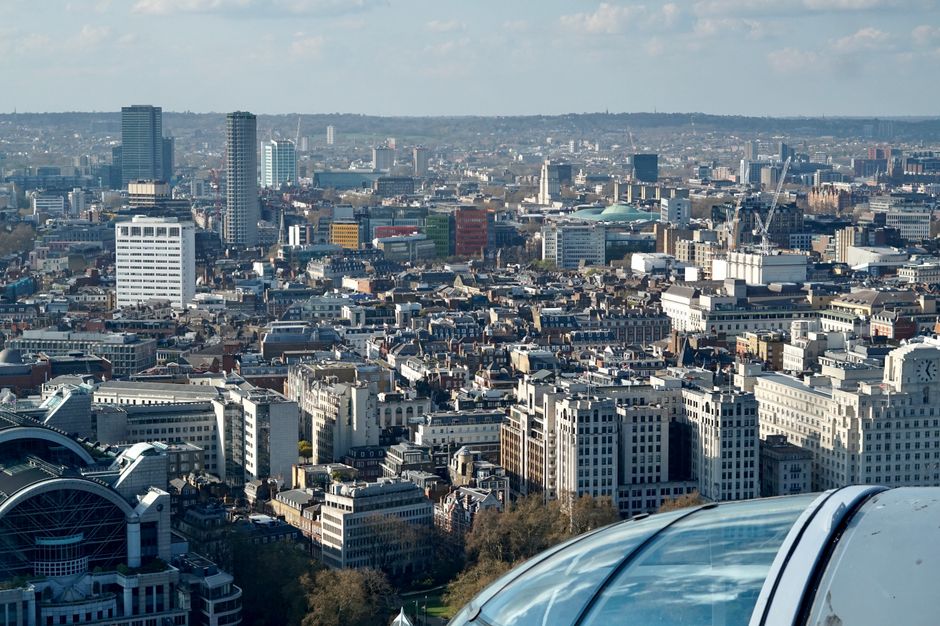
London sprawls across 1,572 square kilometres, but the secret to enjoying it isn't owning a car—it's mastering the layered transport network that connects everything from Hampstead Heath to Greenwich. Whether you're commuting to the City or exploring new neighbourhoods, getting around doesn't have to be complicated or expensive.
The Tube remains the backbone. With 11 lines crisscrossing the capital, it's the fastest way to cover distances. A weekly Travelcard (valid for unlimited journeys across Zones 1-2) costs around £37, considerably cheaper than daily fares. But don't dismiss buses. The 38 takes you from Victoria through Bloomsbury to Hackney; the 15 is a heritage route through Westminster and the City. Real Londoners know buses reveal the city's character in ways the Underground never can.
For shorter journeys, the cycling infrastructure has transformed commuting. Transport for London's Santander Cycles scheme offers 24-hour access for £2.50 per day, with thousands of docking stations from Earl's Court to Canary Wharf. The segregated lanes on Bow Road and around King's Cross make cycling genuinely pleasant, not just functional.
Overground trains extend reach into unexpected places. The East London Line connects Shoreditch's restaurants to Whitechapel's galleries and markets. The Docklands Light Railway glides over the Thames, offering views and connections to Stratford and Bank. Neither feels like commuting; both feel like miniature adventures.
Walking remains underrated. Regent Street to Covent Garden takes 15 minutes on foot. The South Bank's riverside path from Tower Bridge to Waterloo spans three kilometres and showcases St Paul's Cathedral, Shakespeare's Globe, and the Thames itself. These routes cost nothing and deliver far more than any direct journey.
For longer trips or luggage, Uber and licensed black cabs work, but they're pricey—a Charing Cross to King's Cross journey typically costs £12-15. National Express coaches offer budget alternatives for destinations beyond London's M25 boundary.
The practical reality: combine methods. Take the Northern Line to Leicester Square, walk through Soho to Piccadilly, then cycle to Bethnal Green for dinner. Purchase an Oyster Card for seamless Tube, bus and tram payments—contactless payment works too, capping daily charges at £8.50 in Zones 1-2. Download TfL's Journey Planner app; it accounts for traffic, engineering works and real-time delays.
London rewards curiosity in transport. Every route reveals something—a mural you'd never notice from a car, a corner café worth returning to, a street that becomes your shortcut. That's how you move from merely getting around to genuinely living here.
This article was compiled by AI from the sources linked above and screened before publishing. See our editorial standards.
About this article
Published by The Daily London
Spread the word
Daily brief
Free, in your inbox before 7am. Weekdays.
The Daily Network — independent news worldwide