How Your Daily Commute Reveals the Soul of Your London Neighbourhood
From the Northern Line crush to Overground gossip, the way Londoners move through their patches tells the real story of community.
2 min read
Updated 2 h ago
From the Northern Line crush to Overground gossip, the way Londoners move through their patches tells the real story of community.
2 min read
Updated 2 h ago
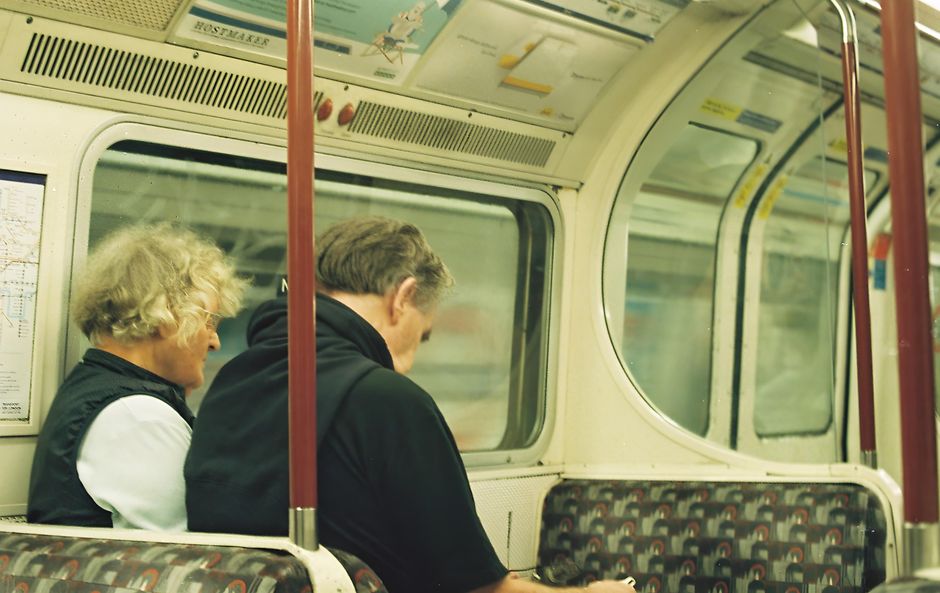
There's a particular kind of camaraderie that forms at 7.47am on the Victoria Line southbound, somewhere between King's Cross and Victoria. Regular commuters develop an almost wordless understanding—the nod of recognition, the slight shuffle to make room for the returning face. It's in these transit moments that London's neighbourhoods reveal their true character, far beyond what any property website can capture.
Take Stratford, where the Elizabeth Line's arrival two years ago fundamentally shifted the neighbourhood's rhythm. Workers now choose between the hustle of the Central Line crowds or the relative calm of the newer service, and this choice has become a marker of how residents view themselves. The 7am Overground from Walthamstow Queen's Road has developed its own ecosystem—young creatives heading to Shoreditch, NHS workers bound for central hospitals, school staff heading across the city. By 8.15am, the carriage has emptied enough that you can breathe, and you know your neighbours by their newspapers and coffee cup choices.
Brixton's commuter culture tells a different story entirely. The Victoria Line here carries some of London's most diverse traffic patterns—residents work across every sector and geography. The station itself functions as a social hub, with the market spilling its character into the Underground experience. Journey times matter less than the richness of human exchange that happens waiting for the next train.
Meanwhile, zones three and four tell quieter stories. The Overground loops that connect areas like Walthamstow Central, Leytonstone, and Leyton have fostered tight-knit commuter communities where the same faces appear weekly. These neighbourhoods benefit from what Transport for London data shows: commute times averaging 35-45 minutes, yet satisfaction rates significantly higher than overcrowded central zones. There's time to settle in, to notice changes, to become part of something.
The cost of getting around shapes neighbourhood character too. A zones 1-2 travelcard costs £1,665 annually; zones 3-4 substantially less, attracting younger families and first-time homebuyers who then build communities around their stations. Walthamstow Village High Street, Leyton's quieter residential streets, and Stratford's emerging cultural spaces all owe something to their transport accessibility and the type of resident it attracts.
What emerges across these journeys is clear: your commute isn't merely functional. It's where London's neighbourhoods actually breathe—revealing who lives there, what they value, and how they've learned to move through the city together.
This article was compiled by AI and screened before publishing. See our editorial standards.
About this article
Published by The Daily London
Spread the word
Daily brief
Free, in your inbox before 7am. Weekdays.
Before you go
The day's London news in a 2-minute read. Free, weekday mornings.