How the playground culture of Primrose Hill is evolving and changing
High-end urban parents are shifting away from structured extracurriculars in favour of 'radical autonomy' models.
3 min read
Updated 1 h ago
High-end urban parents are shifting away from structured extracurriculars in favour of 'radical autonomy' models.
3 min read
Updated 1 h ago
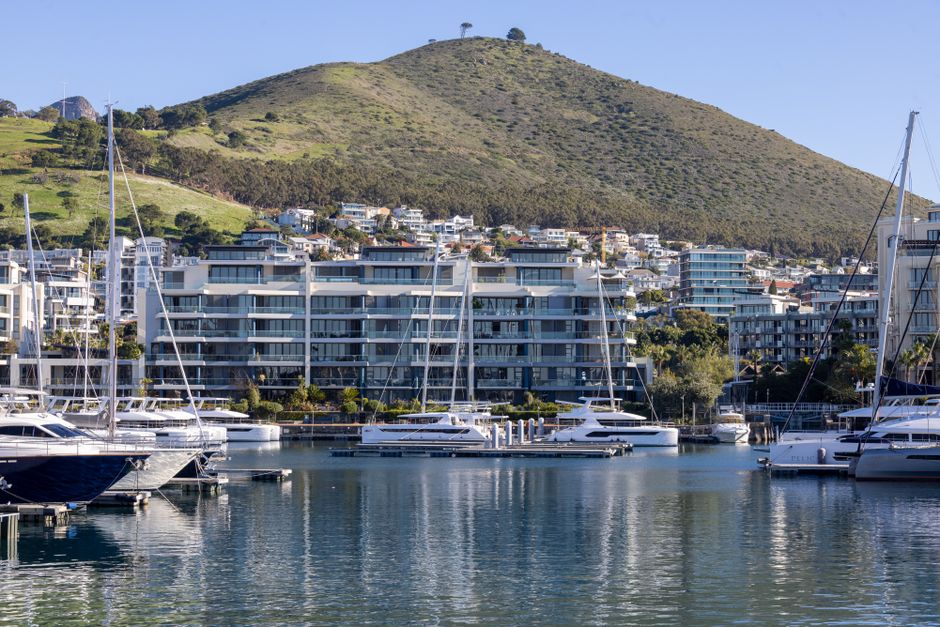
The manicured grass of Primrose Hill is seeing a quiet revolution this summer as parents pivot away from back-to-back enrichment classes. Instead of shuttling children between piano lessons and private tennis coaching, a growing faction of local families is reclaiming the neighbourhood’s open spaces for unstructured, child-led play.
This departure from the rigid scheduling that defined London parenting in the early 2020s has become the new status symbol among residents in NW1. Local observers note that the pressure to secure spots at elite institutions like The Hall School or South Hampstead High School has not waned, but the methodology for raising 'successful' children has shifted. The prevailing theory, often discussed at café tables along Regent’s Park Road, posits that high-stakes scheduling leads to burnout before the age of ten. Consequently, the focus has moved toward 'radical autonomy,' where children are expected to manage their own social dynamics and physical risks on the Hill without direct adult intervention.
The impact of this trend is visible at The Pirate Castle in Camden, where the management has seen a surge in inquiries for open-play sessions rather than their previously popular structured holiday clubs. Parents are actively seeking environments that resemble the 'street play' models common in Scandinavia. This marks a departure from the mid-2020s trend of hyper-curated, expensive private tutoring sessions, which typically cost upwards of £85 per hour for specialist subjects like Mandarin or advanced mathematics.
Data from the Office for National Statistics indicates that household expenditure on private extracurriculars in the Borough of Camden dropped by 4% in the last fiscal year, even as inflation pushed general childcare costs to record highs. For a family of four living in a Victorian terrace near St. George’s Terrace, the average monthly spend on private coaching has fallen from £1,200 in 2024 to roughly £950 today. This isn't necessarily a sign of financial hardship, but rather a deliberate redistribution of wealth toward residential lifestyle adjustments, such as installing domestic climbing walls or private garden play equipment that facilitates this new, autonomous model.
Expect this trend to intensify as the autumn term approaches. Industry analysts at the Family and Childcare Trust suggest that if this trend holds, local independent providers will be forced to restructure their offerings by September 2026. For parents, the practical takeaway is simple: look for programmes that prioritise 'free-flow' environments over linear learning goals. If you are browsing summer holiday options, prioritise venues that offer 'low-supervision' zones, as these are rapidly becoming the most sought-after spots in the city for the upcoming academic break.

About this article
Published by The Daily London
Spread the word
Daily brief
Free, in your inbox before 7am. Weekdays.
Before you go
The day's London news in a 2-minute read. Free, weekday mornings.