From Formal Gardens to Urban Forests: How London’s Green Space Strategy Is Evolving
As record temperatures hit the capital, the transformation of historic parks into climate-resilient hubs is accelerating at pace.
2 min read
Updated 1 h ago
As record temperatures hit the capital, the transformation of historic parks into climate-resilient hubs is accelerating at pace.
2 min read
Updated 1 h ago
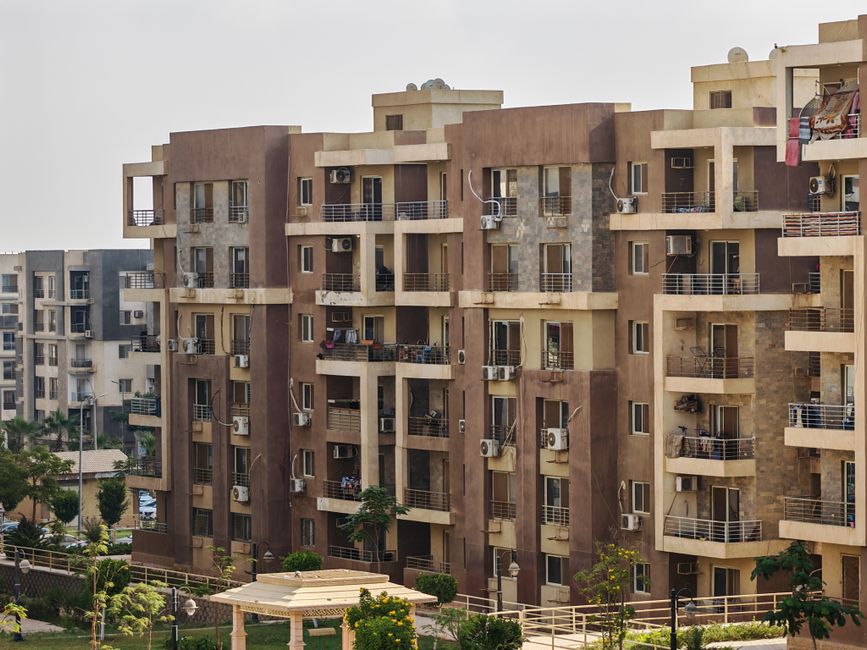
London’s approach to public parks is undergoing a radical shift as the municipal government pivots from ornamental landscaping to functional climate infrastructure. Across the capital, the Parks for the Future initiative has begun replacing traditional high-maintenance flower beds with drought-resistant urban forests and sustainable drainage systems designed to mitigate the intensifying heat waves hitting the city this July.
In the heart of Southwark, the transformation at Burgess Park is already visible. Where expansive, thirsty lawns once defined the vistas, the council has integrated swales and expanded woodland corridors to act as natural air-conditioning units. This work is mirrored in the City of London’s recent management strategy for Postman’s Park near St. Paul’s, where planting palettes are being overhauled to favor Mediterranean-climate flora capable of surviving consecutive weeks of temperatures exceeding 30 degrees Celsius.
This evolution responds to an urgent need to protect the city’s biodiversity while keeping public spaces accessible during extreme weather. The Royal Parks Charity reported that surface temperatures in unshaded areas of Hyde Park soared to 48 degrees yesterday, nearly 12 degrees higher than in the canopy-dense sections near Serpentine Road. Consequently, the GLA’s Green Infrastructure Task Force has allocated £14.2 million this fiscal year specifically to bolster canopy cover in lower-income boroughs where heat island effects are most pronounced.
Data from the Office for National Statistics indicates that Londoners’ reliance on municipal green space has risen by 22% since 2024, yet the cost of maintenance for these sites has surged by 18% due to water rationing requirements. To bridge this funding gap, local authorities are partnering with private developers to secure long-term endowment funds, as seen in the recent redevelopment of the perimeter at Victoria Park in Tower Hamlets. These agreements often require developers to fund specific 'cool-zone' infrastructure, including misting stations and high-capacity water refill points.
For residents looking to navigate this transition, the best strategy is to monitor the 'London Heat Map' app, which provides real-time updates on which parks have functional hydration stations and adequate tree-shaded transit routes. As the city enters the peak of the summer, those planning outdoor activities should stick to the designated 'Climate Resilience Zones' marked on the updated signage recently installed by the Greater London Authority in major transit hubs like Waterloo and King’s Cross.



About this article
Published by The Daily London
Spread the word
Daily brief
Free, in your inbox before 7am. Weekdays.
Before you go
The day's London news in a 2-minute read. Free, weekday mornings.