Escaping the Concrete: Tips and Honest Recommendations from Locals Who Live It Daily
With temperatures climbing and city parks reaching capacity, here is how Londoners are actually reclaiming their green space.
3 min read
Updated 1 h ago
With temperatures climbing and city parks reaching capacity, here is how Londoners are actually reclaiming their green space.
3 min read
Updated 1 h ago
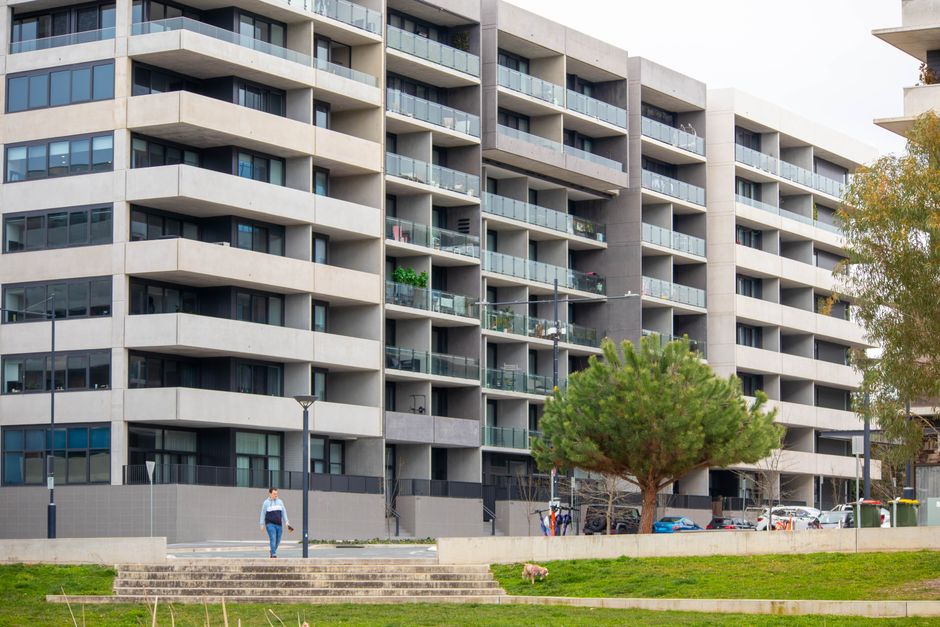
London’s public parks are currently seeing their highest foot traffic of the year, as residents flee stifling Victorian terrace apartments for the city’s 3,000-plus green spaces. From the manicured lawns of Kensington Gardens to the wilder, scrubby reaches of Hackney Marshes, the scramble for a square meter of shade has turned local park life into a contact sport this July.
As the mercury hits 29 degrees Celsius today, the city’s relationship with its common land is shifting from leisurely strolls to strategic occupation. The pressure on these spaces is no longer just about leisure; it is a necessity for those without air conditioning. According to the Greater London Authority, roughly 47% of London’s land surface is green, yet the distribution remains fiercely contested on weekends and bank holidays, forcing locals to innovate their outdoor routines to avoid the crush.
For those avoiding the tourist throngs of Hyde Park, the consensus among residents is to head for the fringes. The Hill Garden and Pergola in Hampstead remains a perennial favorite for those seeking architectural shade and a respite from the noise of the Northern Line. Conversely, residents of South London are increasingly pivoting toward Peckham Rye Park and Common. The latter has seen a surge in popularity thanks to the diligent upkeep by the Friends of Peckham Rye Park group, who have successfully lobbied for better biodiversity management in the park’s wilder, south-western corner.
If you are planning a day out, the logistical reality is stark. A single pint of lukewarm lager at a park-adjacent pub can now set you back upwards of £7.50, and finding a patch of grass within a 10-minute walk of an Overground station often requires arrival by 10:00 a.m. sharp. The London Parks and Green Spaces Forum recently noted that maintenance costs for these high-traffic areas have risen by 12% since last year, meaning litter management and ground repair are constant battles for the Royal Parks charity.
Practical survival in London’s parks requires a specific set of tools and a disregard for social convention. Experienced locals are bypassing the main thoroughfares of Richmond Park in favor of the lesser-known Pen Ponds area, where the deer population is less prone to encroaching on picnic blankets. When choosing a spot, look for the 'canopy drift'—the trajectory of shade as the sun tracks across the sky throughout the afternoon.
Forget the collapsible chairs; they are a death trap on uneven ground. Instead, invest in a heavy-duty waterproof ground sheet, which costs roughly £25 at most high-street hardware stores. If you find yourself in Victoria Park, skip the main pavilion queues entirely. Enter via the Gore Gate on Old Ford Road and head straight for the canal bank. It is frequently ignored by casual visitors, providing a breeze off the water that is worth its weight in gold until the sun sets behind the Shard.


About this article
Published by The Daily London
Spread the word
Daily brief
Free, in your inbox before 7am. Weekdays.
Before you go
The day's London news in a 2-minute read. Free, weekday mornings.