lifestyle
From Warehouses to Wellness: How Shoreditch is Evolving and Changing
The district once synonymous with gritty urban nightlife is pivoting toward a quieter, design-led identity.
Listen in English · 4 min
How we reported this
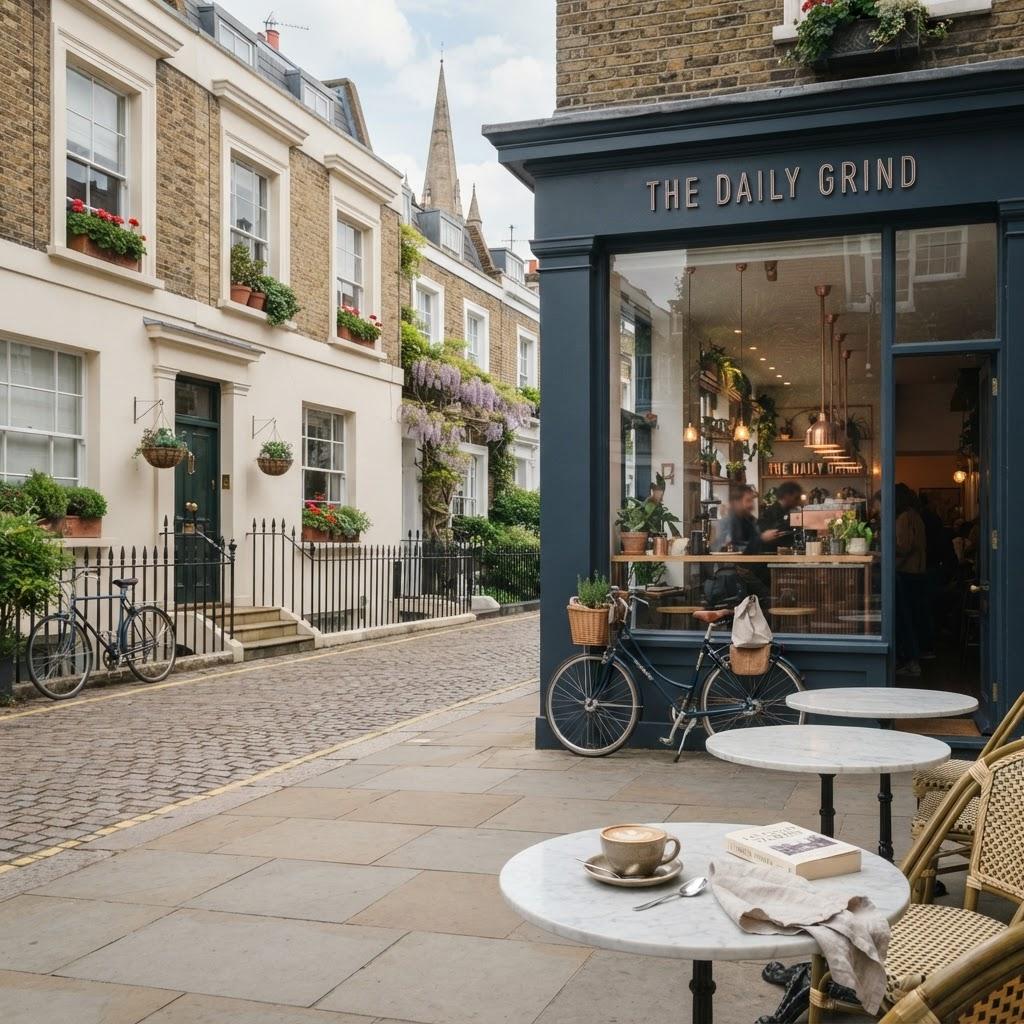
Shoreditch is shedding its reputation as the epicenter of London’s high-octane, late-night culture in favor of a more subdued, curated existence. While the district maintains its historic status as a hub for the creative industries, the shift in commercial focus is evident along the brick-lined corridors of Rivington Street and Redchurch Street. Where loud, bass-heavy venues once defined the weekend experience, a new wave of members' clubs, independent wellness studios, and boutique workspaces has taken root, signaling a move toward professional polish.
A Refinement of the Creative Corridor
The transformation is most visible in the physical landscape of the area. Developments like the re-purposed industrial spaces near Curtain Road now prioritize daylight and flexible floor plans over traditional nightclub infrastructure. Institutions such as the Barbican Centre, while physically located just to the west, have historically influenced the artistic spillover into this neighbourhood, fostering an environment where design and functionality converge. Local galleries and creative agencies are increasingly moving into former light-industrial workshops that were previously occupied by temporary events.
This evolution reflects a broader trend in London, where formerly neglected zones are being integrated into the city’s primary commercial fabric. As property values in the City of London have continued to trend upward, firms have looked to Shoreditch to house their secondary offices and creative hubs. The proximity to Liverpool Street Station ensures that accessibility remains a primary driver for investment, even as the specific nature of that investment moves away from hospitality and toward private members' spaces that offer a blend of work and leisure.
Economic Realities and Architectural Change
Data from the local planning authority indicates that the conversion of ground-floor spaces from bar usage to mixed-use retail and studio space has increased over the last five years. While rent levels remain high, the density of foot traffic during weekday hours now rivals the peak weekend congestion that characterized the area for decades. This shift in usage patterns is forcing long-standing local businesses to adapt, with many pivoting to offer daytime services like artisanal food production and professional workshops to accommodate the changing demographics of the workforce.
For those visiting today, the focus is less on finding the late-night hidden gem and more on navigating the specialized retail offerings. The area continues to attract entrepreneurs who prefer the aesthetics of the historic architecture but require the amenities of a modern business district. Future development plans for the surrounding Hackney boroughs suggest that this integration of living, working, and curated socializing will continue to define the area for the foreseeable future, pushing Shoreditch further away from its grittier origins toward a polished, design-conscious future.