lifestyle
Lab Grown Diamonds Gain Ground as Young British Buyers Redefine Luxury
Among consumers under 35, the definition of luxury is shifting. Beauty and craftsmanship remain essential, but younger British buyers now expect transparency, responsible practice and genuine value as part of the deal. Iris Arnold, founder and Global CEO of Novita Diamonds, says this generational change is precisely why lab grown diamonds have entered the jewellery mainstream.
Listen in English · 4 min
How we reported this
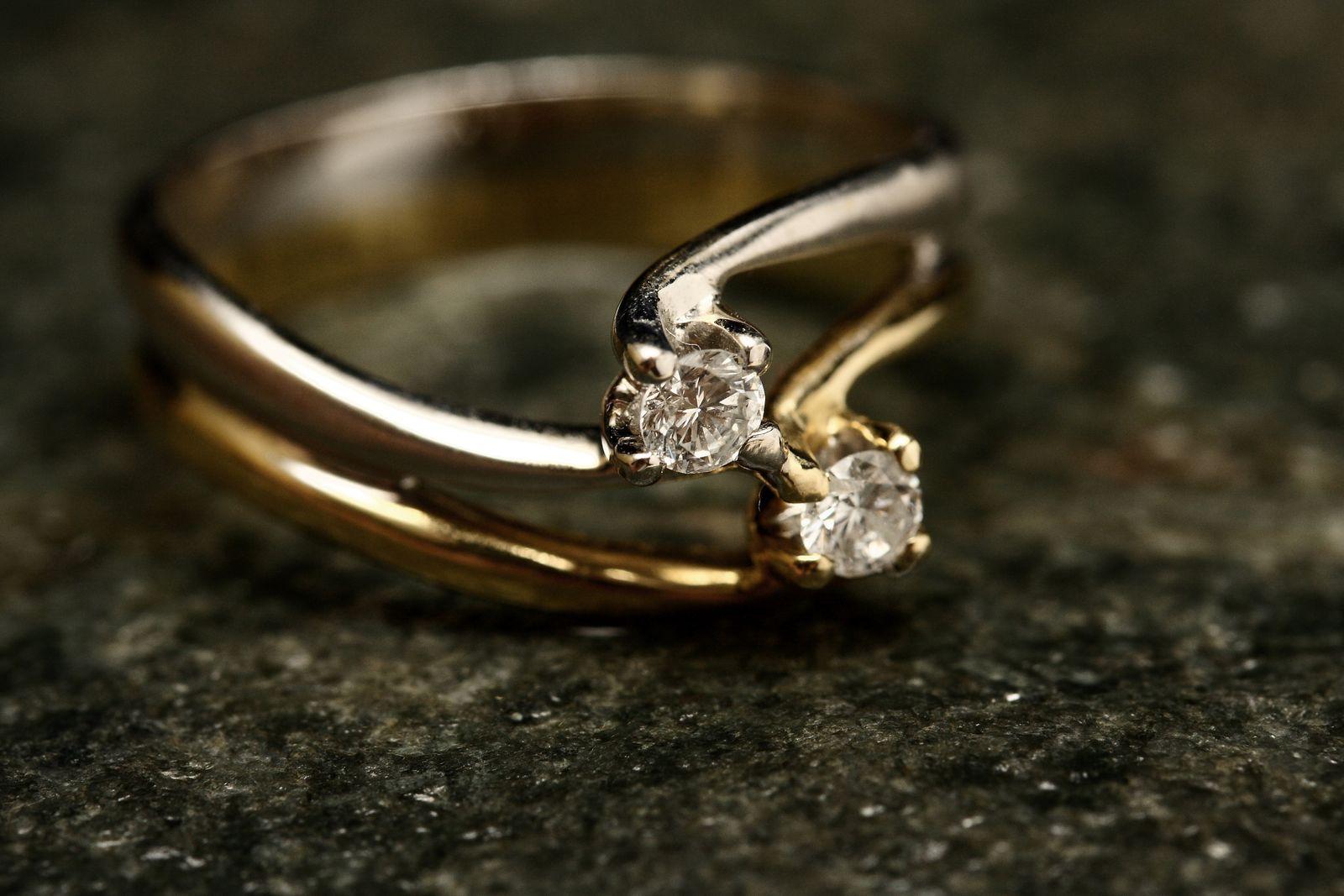
Among consumers under 35, the definition of luxury is shifting. Beauty and craftsmanship remain essential, but younger British buyers now expect transparency, responsible practice and genuine value as part of the deal. Iris Arnold, founder and Global CEO of Novita Diamonds, says this generational change is precisely why lab grown diamonds have entered the jewellery mainstream.
The diamond purchase has long followed convention, rarity, size and tradition defining what an engagement ring ought to be. Younger British consumers are approaching it differently, researching widely, challenging old assumptions and deciding for themselves what matters most.
According to Arnold, younger consumers are not moving away from the meaning of diamonds. She adds: They are becoming much more deliberate about what gives a diamond meaning to them. They want beauty and quality, but they also want transparency and confidence that they are paying for the things they genuinely value.
A category at genuine scale
Once a specialist product, lab grown diamonds are now a significant global category. Estimates differ by methodology, but recent figures put the worldwide market at roughly US$28 billion to US$34 billion in 2025-26, with continued annual growth anticipated through the decade.
The Gemological Institute of America reports substantial increases in the quantity, size and quality of lab grown diamonds entering the market, noting they share essentially the same chemical composition and crystal structure as mined diamonds and appear identical to the unaided eye.
According to Arnold, the technology has matured and consumers have become far more informed. She adds: But the strongest change has been cultural.
Luxury that reflects values
Sustainability shapes how Generation Z and younger millennials consume. Deloitte's 2024 global survey found 64 per cent of Gen Z and 63 per cent of millennials willing to pay more for environmentally sustainable products, while PwC found consumers willing to pay an average premium of about 9.7 per cent for sustainably sourced goods.
Price, design and circumstance still decide individual purchases, but ethical and environmental questions are now mainstream.
According to Arnold, for younger customers, ethics are not a separate discussion that takes place after the product has been selected. She adds: They are increasingly part of how the customer evaluates the product itself.
Value in a cautious market
British buyers under 35 balance those ideals against real financial pressure, housing costs, inflation and uncertainty. They are value-conscious without lowering their expectations of quality. The category's appeal is the balance it strikes: a larger stone or more elaborate design without the pricing traditionally tied to mined rarity.
According to Arnold, this generation is not less romantic. She adds: It is more conscious of how a major purchase fits into the rest of life. A couple may want an exceptional ring while protecting their savings or saving for a home.
Evidence, not slogans
Because they are not extracted from the earth, lab grown diamonds can reduce direct land disturbance. But Arnold insists on honesty about the caveat: production requires energy, and the footprint depends on method, facility efficiency and electricity source.
According to Arnold, it is not enough to apply a label such as sustainable and expect the customer to stop asking questions. She adds: Understand the supply chain, improve it where possible and communicate honestly about both the benefits and the impacts.
Younger buyers, wary of greenwashing, reward specificity.
Maturing standards
Ethics now span human rights, working conditions and accurate disclosure. The Responsible Jewellery Council's Laboratory Grown Material Standard became effective on 1 May 2025. GIA updated its assessment approach in October 2025, describing qualifying colourless to near-colourless stones as Premium or Standard and laser-inscribing each stone for identification.
According to Arnold, the customer should always understand exactly what they are purchasing.
Informed and individual
Most younger buyers arrive already researched, with specific questions about certification, origin and transparency. They also reject a standardised idea of the engagement ring, choosing distinctive designs and increasingly buying diamonds to mark milestones beyond engagements.
According to Arnold, the meaning of jewellery is becoming more individual. She adds: Younger consumers are comfortable creating their own traditions.
Built on trust
The category's rise reflects a broader change: consumers under 35 no longer accept tradition alone as justification for price or sourcing. They want evidence, choice and control, and credible environmental communication without exaggeration.
According to Arnold, the strongest businesses will be those that respect the intelligence of the customer. She adds: They want clear information, beautiful products and the freedom to make a choice that feels right for them.
Beauty and meaning endure, but younger British consumers now expect both to come with transparency, responsibility and genuine value. That is the industry's new standard for earning trust.
Elsewhere in the market: lab grown diamonds are reshaping Hong Kong luxury.
Sources: The Korea Times, Novita Diamonds CEO Iris Arnold shares insights into the future of lab grown gems.