News
London Council Budget Cuts 2026-27: What It Means
How £2.3bn in cuts across London's 32 boroughs will affect your neighbourhood's services, from Hackney to Croydon and beyond.
3 min read
Updated 5 h ago
News
How £2.3bn in cuts across London's 32 boroughs will affect your neighbourhood's services, from Hackney to Croydon and beyond.
3 min read
Updated 5 h ago
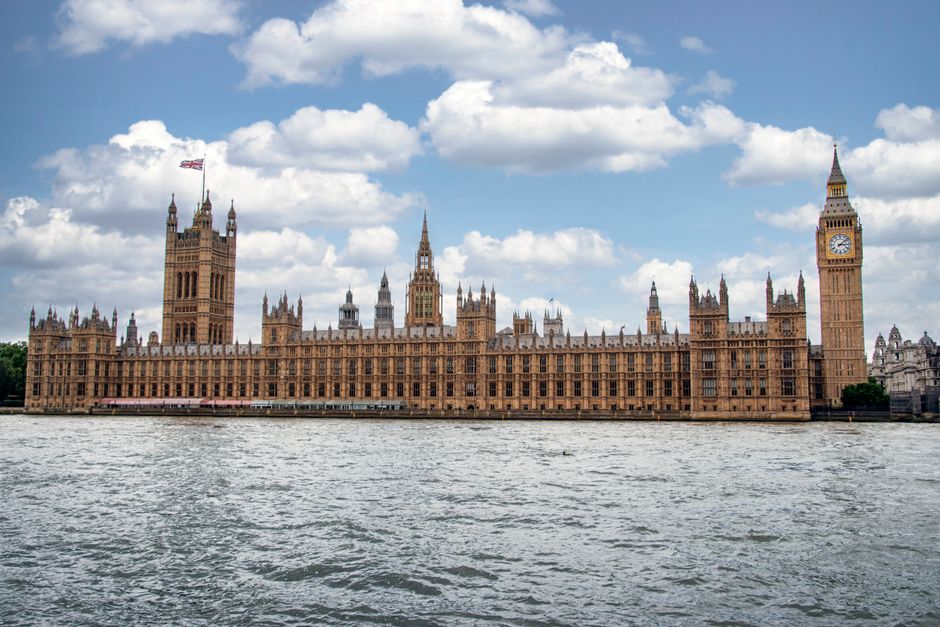
As London's local authorities prepare their final budgets for the 2026-27 financial year, newly released figures paint a sobering picture of how austerity measures will reshape the capital's neighbourhoods. The data, compiled across all 32 boroughs plus the City of London Corporation, shows total budget reductions of £2.3bn compared to five years ago—a 19 per cent contraction in real terms when inflation is accounted for.
The numbers behind the headlines are starkest in outer London. Barking and Dagenham, with a population of 218,000, faces a £47m reduction in discretionary spending. Croydon, which saw its finances collapse spectacularly in 2020, is operating under continued restrictions with a £52m shortfall this year alone. Meanwhile, Westminster faces the inverse problem: while wealthier central areas benefit from business rates, councils like Newham must manage growing populations with shrinking budgets. Newham's case is instructive: serving 350,000 residents, it has cut £89m in non-statutory services since 2019.
Libraries have borne particular losses. Data from the Libraries Connected network shows London has closed 31 library branches since 2021, with usage dropping from 42m annual visits to 28m. Hackney retains 10 libraries, down from 14. Lambeth operates 8, down from 12. Meanwhile, demand for adult social care has surged: the number of Londoners aged 85 and above will reach 412,000 by 2030, up from 287,000 in 2020—a 43 per cent increase requiring £1.8bn annually borough-wide.
Public transport subsidies tell another story. TfL's funding from City Hall shrank to £405m this year from £595m in 2020. Bus passenger journeys across London recovered to 1.9bn annually by 2025, but routes in outer areas like Havering and Bexley saw reductions, forcing many residents into longer journey times.
Council staff numbers have contracted by 22,000 posts since 2015, with environmental services and planning departments particularly depleted. Planning application response times in Southwark now average 47 days, up from 28 in 2019. Homelessness figures remain intractable: 8,677 households were in temporary accommodation as of March 2026, with an estimated 2,000 people sleeping rough across the city.
The data reveals not a uniform crisis but a fragmented landscape where some boroughs—those with stronger business rates bases or reserves—weather cuts more effectively than others. For residents, the mathematics are simple: fewer staff, fewer services, longer waits. The question facing London's local politicians becomes increasingly urgent: how long can core provision continue contracting before something breaks?
This article was compiled by AI from the sources linked above and screened before publishing. See our editorial standards.
News
News
News
News
About this article
Published by The Daily London
Spread the word
Daily brief
Free, in your inbox before 7am. Weekdays.
The Daily Network — independent news worldwide