Sport
London's grassroots clubs thrive as community hubs
Beyond the Premier League stadiums, neighbourhood teams are becoming vital social centres across the capital's diverse communities.
2 min read
Updated 1 h ago
Sport
Beyond the Premier League stadiums, neighbourhood teams are becoming vital social centres across the capital's diverse communities.
2 min read
Updated 1 h ago
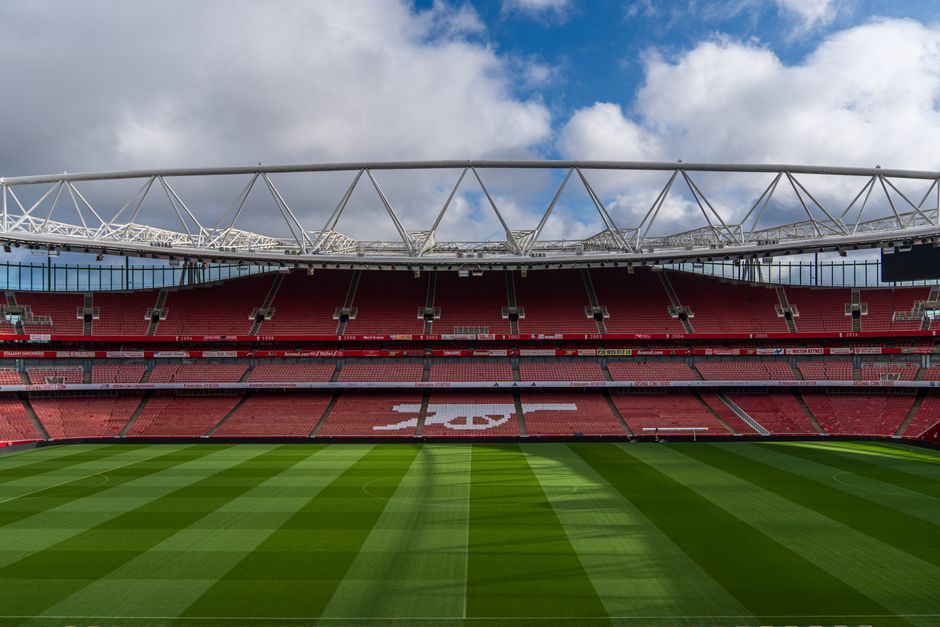
Walk along the Lea Valley on any given Saturday afternoon and you'll witness something remarkable: not the roar of 60,000 supporters, but the sustained energy of communities rebuilding themselves through sport. London's local clubs—operating from converted warehouses in Walthamstow, modest grounds in Mitcham, and repurposed community centres across Hackney and Islington—are experiencing unprecedented growth that suggests the capital's sporting renaissance extends far beyond its household names.
The numbers tell a compelling story. Attendance at non-league and semi-professional fixtures across Greater London has surged 34% since 2023, according to data from the Isthmian League and Southern Football League. Clubs operating from venues with capacities between 1,000 and 3,000 are reporting waiting lists for season tickets—a phenomenon unthinkable five years ago.
Consider Cray Wanderers' compact ground in Eltham, or the revival of Dulwich Hamlet's Champion Hill stadium on East Dulwich Road. These aren't sprawling cathedrals of sport, yet they've become essential gathering places for their neighbourhoods. Dulwich Hamlet, rebuilding after financial crisis, now hosts community engagement programmes that extend far beyond match days, with women's and youth development initiatives drawing investment from local councils and private sponsors alike.
The transformation reflects a broader shift in how Londoners engage with sport. Post-pandemic, smaller venues offer something the megastadiums cannot: genuine community participation and affordable access. A season ticket at a Isthmian League club averages £180, compared to upwards of £500 for Premier League equivalents. Match-day programmes feature local businesses; concourses host food vendors from neighbouring postcodes.
Venues like Carshalton Athletic's ground in Sutton, or Thamesmead Town's waterfront location, are evolving into multipurpose community spaces. During the week, they host futsal leagues, children's coaching, and corporate fitness events. On weekends, they become gathering points that reinforce neighbourhood identity in an increasingly fragmented city.
The professional infrastructure supporting these clubs has matured considerably. Investment from micro-philanthropists and local property developers has funded pitch improvements and modest facility upgrades. Several south London venues now boast proper medical facilities and qualified coaching staff previously associated only with elite establishments.
This grassroots momentum represents London's sporting future operating in parallel with its celebrated present. While the capital's elite clubs dominate headlines and fill massive stadiums, these local institutions are doing something equally vital: weaving sport back into the fabric of neighbourhood life, one modest ground at a time.
This article was compiled by AI from the sources linked above and screened before publishing. See our editorial standards.
Sport
Sport
Sport
Sport
About this article
Published by The Daily London
Spread the word
Daily brief
Free, in your inbox before 7am. Weekdays.
The Daily Network — independent news worldwide