London Transport 2026: What TfL Changes Cost You
New fares, route updates, and travel options—here's how to budget for getting around London next year.
3 min read
New fares, route updates, and travel options—here's how to budget for getting around London next year.
3 min read
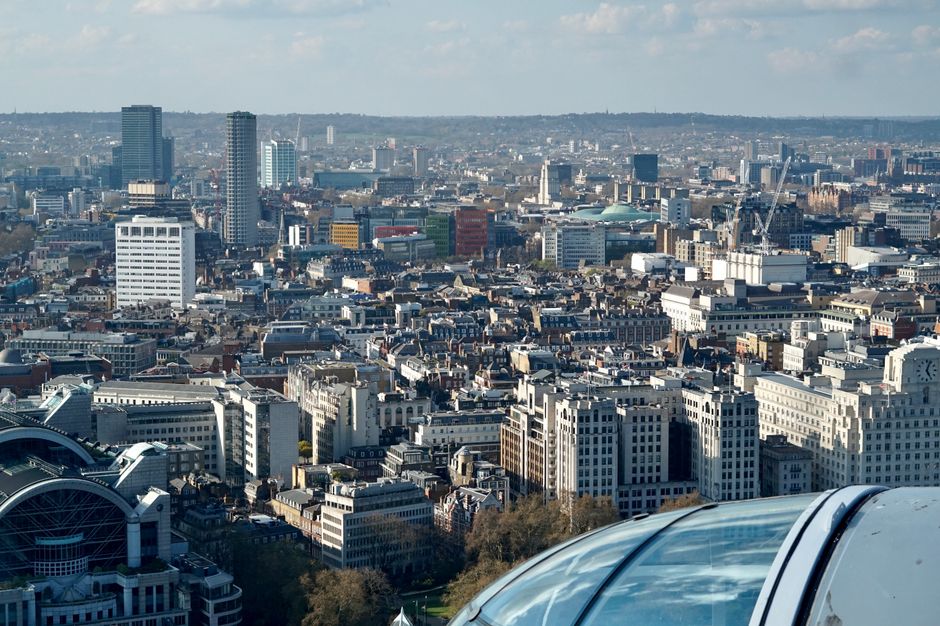
London's transport network remains one of the world's most complex, and navigating it requires more than just a sense of direction. Whether you're a new arrival or planning a day trip into the capital, understanding the costs and access points is essential before you step onto the Piccadilly Line or hail a cab on Regent Street.
The Transport for London (TfL) Oyster card and contactless payment system remain the most economical options for regular commuting. A daily cap for zones 1-2 sits around £8.50, while a weekly pass offers better value for frequent travellers at approximately £36. However, these figures fluctuate, and checking TfL's official website before travelling is non-negotiable. Walking remains gloriously free—a stroll from Westminster to Tower Bridge takes roughly forty minutes and costs nothing but shoe leather.
The Underground, despite its notorious delays and the occasional Central Line sardine experience, remains London's backbone. Peak hours (7-9am and 5-7pm weekdays) transform stations like King's Cross and Waterloo into controlled chaos; off-peak travel saves money and sanity. Bus travel offers an alternative perspective—a single journey costs between £1.75 and £2.80 depending on distance, and the open-top heritage routes through Kensington and Chelsea provide genuine sightseeing value.
Emerging transport options have democratised getting around. Dockless e-bike schemes operate across zones 1-3, with per-ride costs around £1 plus time fees—ideal for short journeys from Vauxhall to Borough Market or navigating the quieter streets of Islington. Traditional bike hire through Santander Cycles costs £3.30 for a single journey, though casual users often find multiple trips exceed monthly memberships at £25.
Accessibility remains crucial. TfL's journey planner now includes step-free routes, and most central stations (Piccadilly Circus, Oxford Circus, Tottenham Court Road) have lifts, though queues during rush hours can stretch patience. Disabled passengers qualify for 30% discount on travelcards with Disabled Person's Railcard verification.
Taxis and ride-hailing apps like Uber have raised fares post-2024, with central journeys routinely exceeding £15. Traditional black cabs offer accountability through visible meters, but expect premium pricing during events like Wimbledon or during strikes affecting other services.
The cardinal rule: plan your journey using TfL's app, check for engineering works (weekends often see line closures), and budget for contingencies. London's transport is efficient when respected, chaotic when underestimated. Know the costs, understand the access points, and you'll navigate Britain's greatest city like a true Londoner.
This article was compiled by AI from the sources linked above and screened before publishing. See our editorial standards.
About this article
Published by The Daily London
Spread the word
Daily brief
Free, in your inbox before 7am. Weekdays.
The Daily Network — independent news worldwide