Community
Moving to London Guide: Essential Tips for Settling In
Our moving to London guide covers neighbourhoods, transport, schools, and seasonal highlights to help you settle into the capital successfully.
4 min read
Community
Our moving to London guide covers neighbourhoods, transport, schools, and seasonal highlights to help you settle into the capital successfully.
4 min read
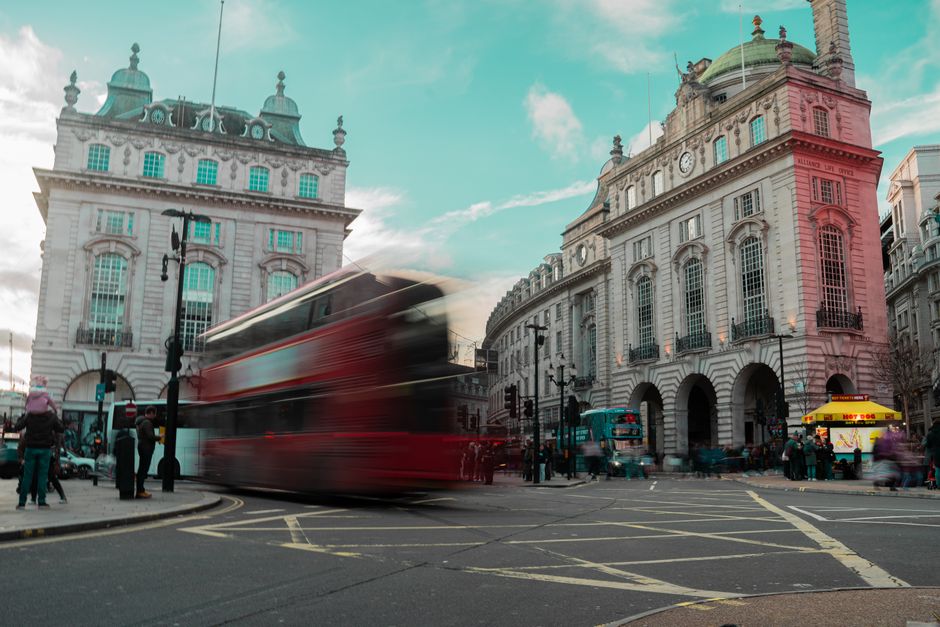
Relocating to London is an exciting adventure that requires careful planning. This moving to London guide provides practical advice on finding accommodation, understanding transport, accessing services, and settling into communities across the capital. Whether you're moving for work, family, or a fresh start, we've compiled essential information to make your transition smoother.
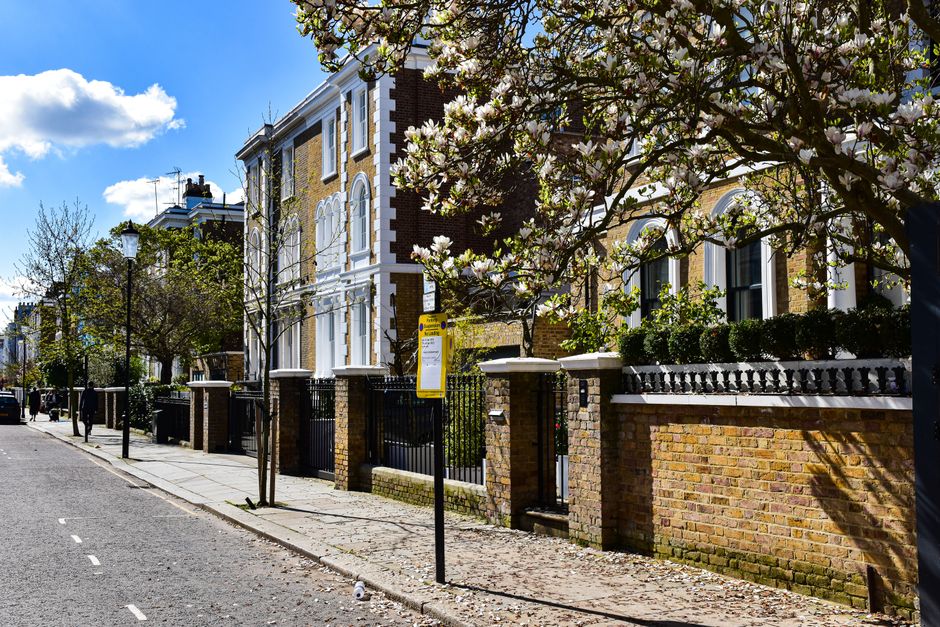
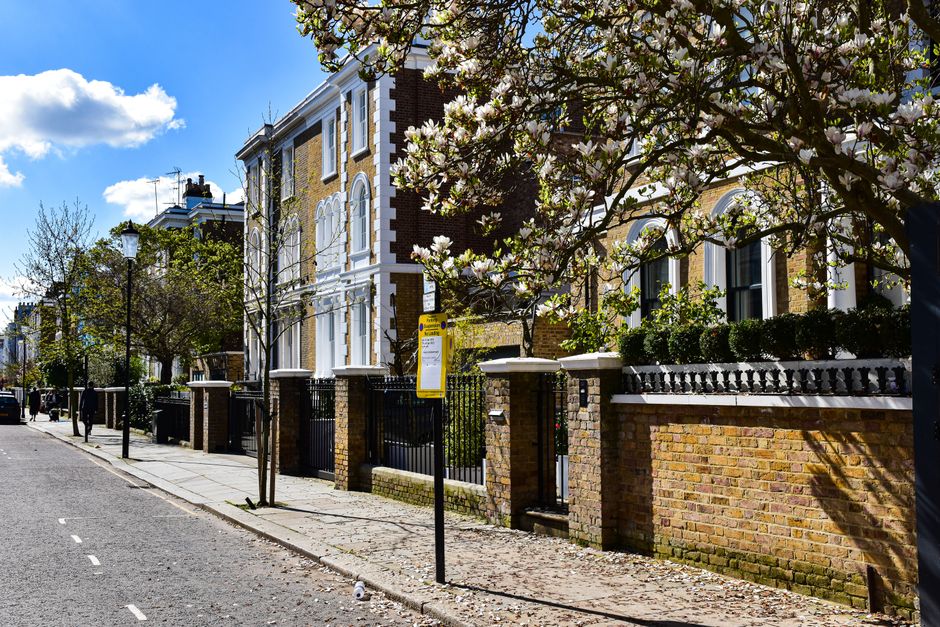
London's 32 boroughs each offer distinct character, amenities, and vibrancy. Understanding neighbourhood dynamics is crucial when moving to London. South London areas like Clapham and Balham offer village-like atmospheres with excellent restaurants and weekend markets. East London neighbourhoods such as Hackney and Walthamstow provide creative communities, independent shops, and younger demographics. West London areas including Ealing and Acton balance accessibility with green spaces and family-friendly facilities.
For professional workers, Canary Wharf and Bank offer proximity to financial districts but premium pricing. King's Cross and Angel provide vibrant entertainment, with Northern Line access to central locations. Consider the Elizabeth Line when selecting neighbourhoods, as this new transport link has transformed accessibility across zones.
London's public transport system is extensive but requires understanding. The Underground, buses, and overground trains connect virtually everywhere. Getting a Contactless or Oyster card immediately reduces fares significantly compared to single tickets. As of 2026, daily caps ensure you never overpay when commuting.
The Tube has 11 lines crossing the city. The Central, Northern, and District lines are busiest but offer extensive coverage. Consider living within one line of your workplace to simplify your commute. Bus routes are comprehensive and often faster than expected, particularly during off-peak hours.
Cycling is increasingly popular across London. The Santander Cycles scheme provides affordable bike hire across 800+ docking stations. Protected cycle lanes continue expanding on major routes like the Superhighway network through central London.
If moving with children, school selection significantly impacts neighbourhood choice. London has excellent state and independent schools, though state school catchment areas are highly competitive. Register children immediately with local councils for nursery and school places.
Primary schools in areas like Dulwich, Wimbledon, and Richmond are particularly sought-after. Secondary schools such as Latymer Upper, Godolphin and Latymer, and Henrietta Barnett attract families across zones. Universities including LSE, UCL, and Queen Mary offer world-class education if you're considering further study.
London's seasons bring distinct experiences essential to understand when moving. Winter (December-February) features the famous Christmas lights on Oxford Street, Winter Wonderland in Hyde Park, and New Year's Eve celebrations. January sales provide excellent shopping opportunities but crowded high streets.
Spring (March-May) sees parks blossom beautifully. Chelsea Flower Show (May), Trooping the Colour (June), and outdoor festivals commence. Summer gardens across London open for performances and dining.
Summer (June-August) brings numerous free outdoor concerts, theatre productions in parks like Regent's Park and Open Air Theatre, and the Edinburgh Festival Fringe (August). However, summer crowds peak and accommodation becomes scarce.
Autumn (September-November) is perhaps optimal for moving, with comfortable temperatures, cultural season launches at theatres and concert halls, and quieter neighbourhoods.
London offers exceptional family entertainment. Natural History Museum, Science Museum, and British Museum provide free admission and educational activities suitable for all ages. London Zoo in Regent's Park and SEA LIFE London Aquarium attract younger children.
Parks provide essential breathing space. Hyde Park, Regent's Park, and Hampstead Heath offer playgrounds, boating, and open spaces. Diana, Princess of Wales Memorial Playground in Kensington Gardens is specifically designed for children. Richmond Park's deer herds and cycling paths appeal to families.
Weekend activities include Greenwich Market for crafts and food, Camden Market for eclectic shopping and street food, and Borough Market for family dining and sampling international cuisines.
When moving to London, register immediately with a GP and NHS dentist. Open a UK bank account early, as many services require British banking details. Understand council tax bands based on property values and budget for utilities, TV licenses, and internet services.
Join local community groups and apps like Nextdoor to connect with neighbours and discover neighbourhood-specific information. Attend local street parties and community events, particularly during Street Party season (summer months).
For comprehensive insights into London life, upcoming events, and community updates, follow The Daily London for curated content helping newcomers navigate the capital confidently.
This article was compiled by AI and screened before publishing. See our editorial standards.
About this article
Published by The Daily London
Spread the word
Daily brief
Free, in your inbox before 7am. Weekdays.
Before you go
The day's London news in a 2-minute read. Free, weekday mornings.