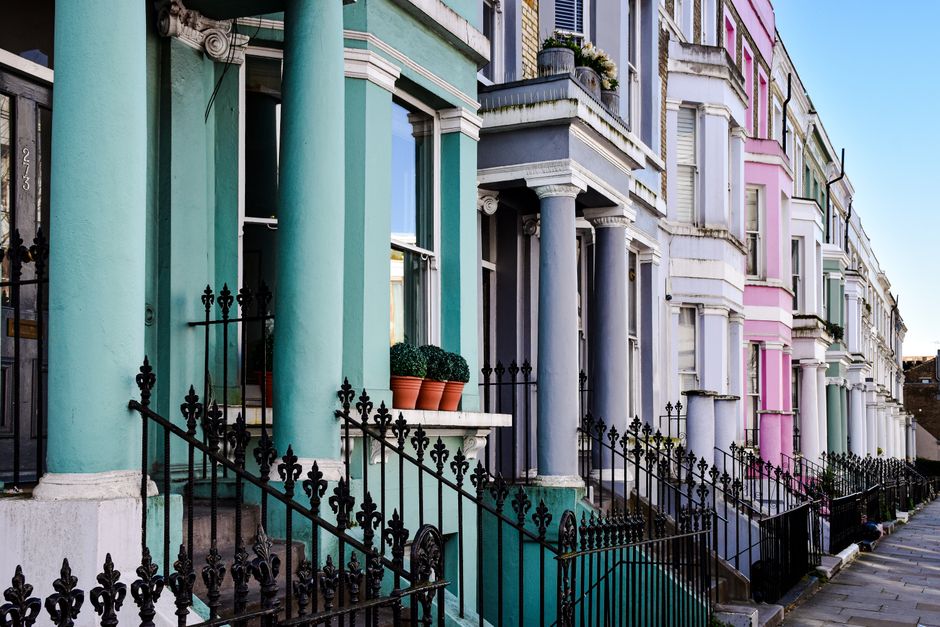
The terrace streets of Whitechapel and the converted warehouses of Bermondsey tell a familiar story across London in 2026: rapid gentrification, rising rents, and communities fractured by urban planning decisions made without their input.
Last month, Hackney Council approved a major residential development on Dalston Lane that will deliver 340 new homes—but local residents say fewer than 12 per cent will be genuinely affordable. The scheme, which replaces a community centre and three small businesses, has sparked protests from long-standing residents who fear displacement.
"My family has lived on this street for thirty-two years," says one Dalston resident. "Nobody asked us what we needed. They just announced the plans, held a consultation, and moved forward." Similar frustrations echo across south London, where Peckham and Camberwell face comparable pressures as average rental prices have climbed 18 per cent since 2024.
Housing campaigners say the issue reflects a fundamental gap in how London approaches urban planning. The London Assembly reported last year that community engagement in major developments remains largely performative—consultation periods often run only six weeks, disadvantaging those without time or digital access to respond.
"Affected communities should have genuine power, not just comment cards," argues a local housing campaign organiser in Tower Hamlets. "These are multi-million-pound decisions affecting where people sleep, work, and raise families."
The situation has prompted pressure on City Hall to strengthen the planning framework. Activists point to successful models in Vienna and Amsterdam, where neighbourhood groups hold binding votes on major schemes. Some London boroughs are piloting deeper community involvement, though critics question whether these go far enough.
Meanwhile, the human cost persists. Homelessness in the capital rose by 8 per cent last year, while the median house price in central London now exceeds £875,000—a multiple of average wages that forces long-term residents further out toward the edges.
Council officers insist they balance competing demands: housing supply, heritage preservation, and community stability. Yet residents across Islington, Newham, and Croydon argue that balance currently favours developers over people already calling these neighbourhoods home.
As the Mayor's office prepares new planning guidance for 2027, the voices from London's streets grow louder: listen, properly, or watch communities disappear.
This article was compiled by AI from the sources linked above and screened before publishing. See our editorial standards.