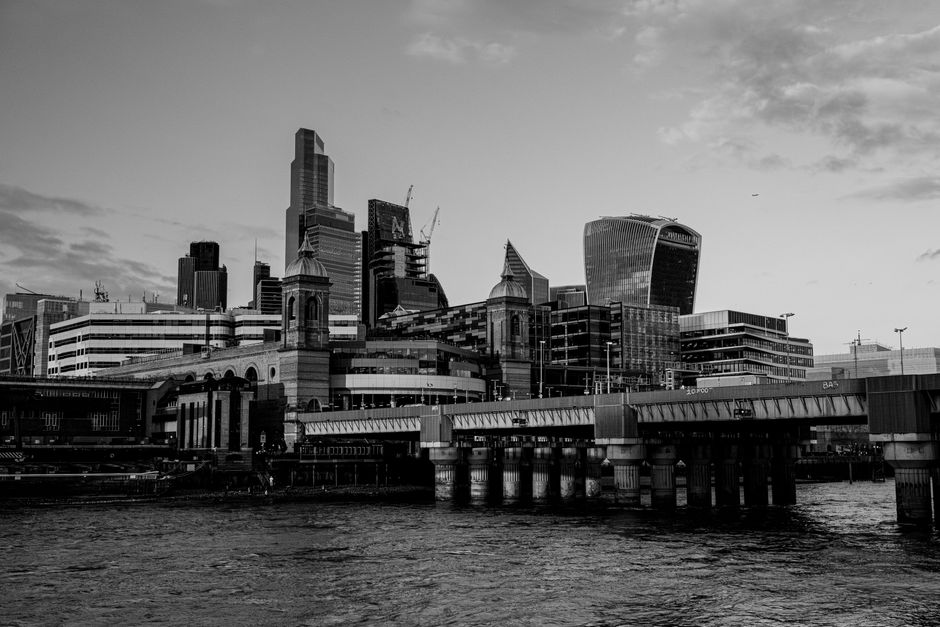
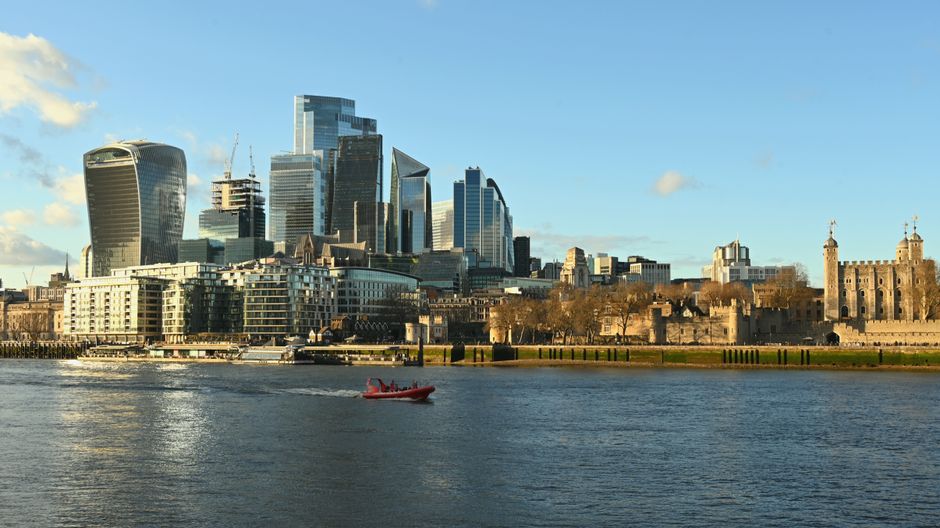
Walk from King's Cross to Camden and you'll see the architectural timeline of London's housing paralysis written in glass and steel. The gleaming residential towers studding the King's Cross development sit metres from Victorian terraces in Somers Town where social housing stock has remained virtually frozen since the 1980s. This visual contradiction encapsulates how the capital arrived at today's housing impasse—not through a single catastrophic decision, but through a cascade of incremental choices that favoured capital over communities.
The roots stretch back to the Right to Buy scheme's expansion in the 1990s. Between 1997 and 2007, London's local authorities sold over 110,000 council homes, a policy hailed as expanding ownership but which systematically depleted the affordable housing stock. Councils in boroughs like Lambeth and Southwark saw their housing leverage evaporate just as private development accelerated, tipping the market decisively toward investor-led construction.
The 2008 financial crisis temporarily froze development, but recovery brought a more insidious problem: planning permissions increasingly favoured luxury apartments with minimal affordable component requirements. The "viability" argument—where developers claimed poverty-stricken returns if forced to include affordable units—became standard currency in planning committees across Westminster, Kensington and Chelsea, and Islington. Between 2010 and 2020, only 16 per cent of new London housing met the GLA's definition of affordable.
Meanwhile, the investor exodus from Brexit and pandemic volatility created secondary markets where international capital bid up prices in Canary Wharf, Stratford, and Elephant and Castle faster than local wages could follow. Average London house prices quadrupled since 2000, while median earnings barely doubled. Renters found themselves trapped: the average cost consuming 38 per cent of income by 2024, rendering entire neighbourhoods economically inaccessible to teachers, nurses, and service workers.
Borough planners, constrained by Conservative spending cuts that hollowed out planning departments themselves, struggled to enforce already-weak policies. Applications languished. Enforcement cases went unpursued. Meanwhile, empty properties proliferated as investment vehicles, particularly in Chelsea and Belgravia, where 2,400 residential units sat unoccupied.
The turning point came quietly: when Transport for London staff couldn't afford to live within commuting distance, when NHS recruitment collapsed, when entire service sectors faced staffing crises. By mid-2026, the housing question had shifted from economic to existential. London faced not simply a shortage, but the structural collapse of the conditions necessary for a functioning city.
Understanding how we arrived here matters because it reveals what half-measures cannot fix: genuine change requires dismantling the financial logic that permitted decades of underbuilding.
This article was compiled by AI from the sources linked above and screened before publishing. See our editorial standards.