News
London's green push accelerates: This week's sustainability breakthroughs
From Hackney's radical retrofit scheme to a major Thames cleaning operation, the capital's environmental agenda is shifting into higher gear.
3 min read
News
From Hackney's radical retrofit scheme to a major Thames cleaning operation, the capital's environmental agenda is shifting into higher gear.
3 min read
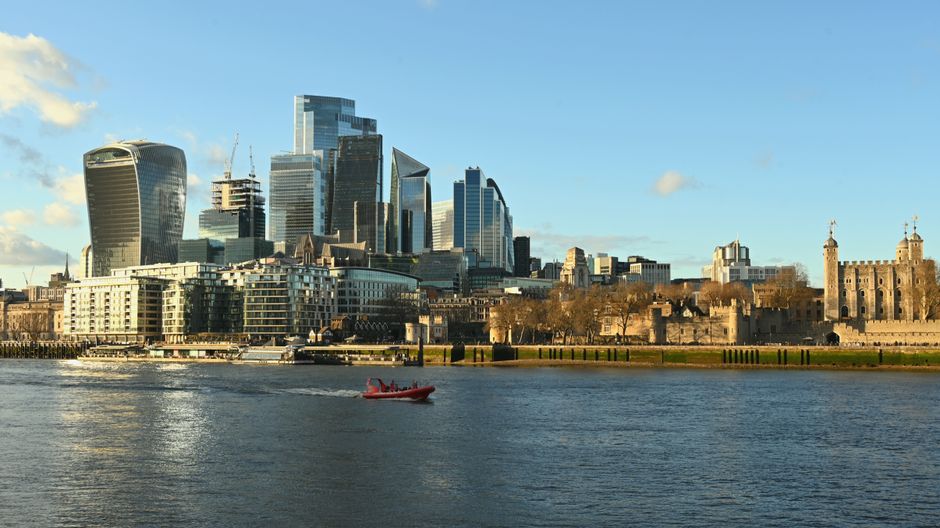
London's sustainability drive picked up significant momentum this week, with three major initiatives signalling the capital's deepening commitment to tackling climate change and urban degradation.
The most striking development came on Monday when Hackney Council unveiled an expanded building retrofit programme targeting 500 residential properties across Dalston, Homerton, and Stoke Newington over the next 18 months. The £47 million initiative will install heat pumps, improve insulation, and upgrade windows in homes where residents currently spend an average of 12% of household income on energy bills—nearly double the national average. Council leadership framed the scheme as both a climate and cost-of-living intervention, with participating households expected to reduce emissions by 60% while slashing annual heating costs by up to £1,200.
Separately, the Port of London Authority confirmed this week that Phase Two of its Thames cleanup operation—focusing on the stretch between Tower Bridge and Westminster—will commence in August. The initiative aims to remove 200 tonnes of submerged waste, including abandoned bicycles, shopping trolleys, and discarded construction materials that leach pollutants into the river. Environmental groups welcomed the move, though some questioned why similar intensive operations hadn't begun sooner on the capital's most visible waterway.
In South London, Croydon's town centre unveiled its new sustainable transport hub on Friday, consolidating bus, tram, and cycle parking facilities in a consolidated area near West Croydon station. The £8.3 million project reflects growing recognition that outer London boroughs must drive their own decarbonisation efforts rather than relying solely on central London policies.
These developments collectively suggest City Hall's environmental strategy is maturing beyond headline-grabbing announcements. The retrofit programme particularly signals a shift toward embedding sustainability into working-class neighbourhoods, where energy poverty remains acute. With London accounting for roughly 9% of the UK's total carbon emissions despite housing only 15% of the population, such concentrated action in high-density areas makes fiscal sense.
However, critics note that progress remains patchy. Several planned initiatives from last year remain unfunded, and the capital's air quality, while improving, still exceeds WHO guidelines for harmful pollutants in eight boroughs. Environmental consultants suggest the pace of change—while accelerating—must nearly double to meet the city's 2035 net-zero target.
For Londoners watching these developments, the pattern emerging is one of cautious momentum: real investment, tangible projects, but questions lingering about whether the scale matches the urgency.
This article was compiled by AI from the sources linked above and screened before publishing. See our editorial standards.
News
News

News
News
About this article
Published by The Daily London
Spread the word
Daily brief
Free, in your inbox before 7am. Weekdays.
The Daily Network — independent news worldwide