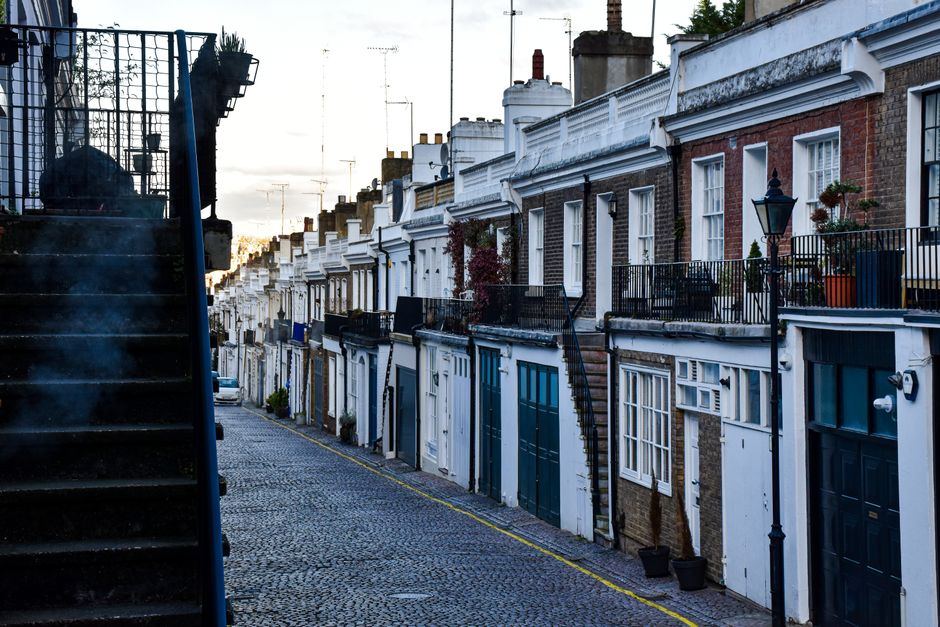
Walking along Clissold Park in Hackney on a humid June afternoon, the contradiction feels immediate. Pristine cycle paths wind through manicured green space while just metres away, traffic on Stoke Newington Road crawls through what the Greater London Authority's latest air quality data rates as a pollution hotspot. This tension—between London's gleaming sustainability ambitions and the lived reality for those breathing the city's actual air—sits at the heart of a growing community conversation.
The capital has pledged to reach net-zero carbon by 2030, the most ambitious climate target of any major global city. Yet residents across inner London boroughs say they're struggling to see tangible change where they live. 'We've got the ULEZ, the cycle superhighways, all these grand plans,' says one Islington resident who works as a healthcare assistant in Finsbury Park. 'But my commute from Wood Green hasn't got cheaper, and my street still smells like diesel most mornings.'
The Ultra Low Emission Zone expansion, introduced earlier this year, has indeed reduced particulate matter in targeted areas by up to 12 per cent according to independent monitoring. Yet the financial burden remains uneven. Residents across outer London boroughs like Hounslow and Brentford—historically less wealthy areas with longer car-dependent commutes—report paying the £12.50 daily charge with little alternative transport infrastructure developed in tandem.
Community groups are increasingly vocal about this disconnect. The Hackney Pirates, a youth organisation based on Homerton High Street, have trained over 200 young people in green skills since 2023. 'We're teaching kids about solar installation and sustainable urban farming,' explains one community coordinator, 'but the real question residents ask us is: why should I sacrifice when my neighbourhood gets the pollution and someone in Chelsea gets the parks investment?'
Borough-level data tells an instructive story. Between 2020 and 2025, Westminster received £47 million in sustainability funding while Tower Hamlets—with significantly higher child asthma rates—received £19 million. The disparity reflects a broader pattern: wealthier central London sees faster green infrastructure rollout while peripheral communities experience environmental injustice through delayed improvements.
Yet change is emerging from unexpected quarters. Community gardens across Peckham and New Cross now number over 40 projects. Transport advocacy groups in Clapham have successfully pressured councils for expanded bus networks. These grassroots initiatives suggest Londoners aren't rejecting sustainability—they're demanding equity in how it's delivered.
As the capital heads toward 2030, the real test won't be hitting emissions targets in air-conditioned offices. It will be whether every London neighbourhood, not just the privileged postcodes, experiences genuine environmental improvement.
This article was compiled by AI from the sources linked above and screened before publishing. See our editorial standards.