News
London's Next 12 Months: The Key Decisions That Will Shape the Capital
From housing targets to transport funding, City Hall faces critical choices that will define London's future—here's what's coming.
3 min read
Updated 3 h ago
News
From housing targets to transport funding, City Hall faces critical choices that will define London's future—here's what's coming.
3 min read
Updated 3 h ago
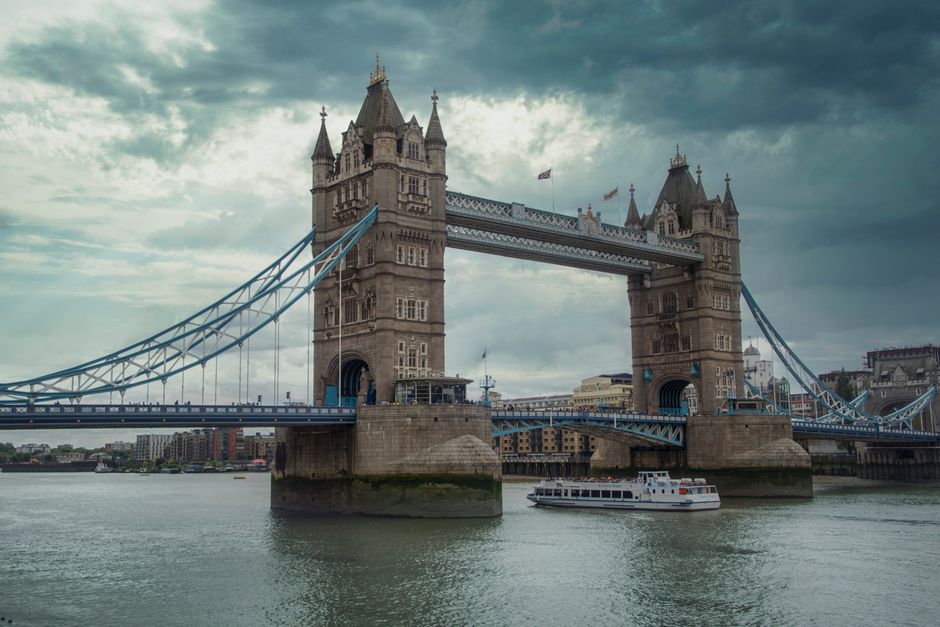
As summer settles over the capital, London's political establishment is bracing for a series of landmark decisions that will reverberate across neighbourhoods from Croydon to Islington over the next year. The Mayor's office and local councils are navigating competing pressures on housing, transport investment, and business rates that could reshape the city's economic landscape.
The most pressing issue centres on housing delivery targets. London needs approximately 52,000 new homes annually to meet demand, yet current planning permissions suggest only 40,000 will be completed this year. Town halls across outer London—including Bromley, Hillingdon, and Havering—are due to make decisions on major housing developments by autumn. Decisions on mixed-use regeneration schemes in areas like Elephant and Castle and the Old Oak Common corridor will test whether councils prioritise affordable housing mandates or faster market-rate delivery. These choices will directly affect affordability in areas where median house prices have reached £580,000.
Transport emerges as a second critical battleground. Transport for London's funding agreement with government expires in December, and negotiations over fare structures and infrastructure investment are intensifying. A decision on extending the Elizabeth Line beyond central London, potentially to Thamesmead or Ealing Broadway, hinges on securing £400 million in additional capital. Simultaneously, councils in Wandsworth and Lambeth must vote on implementing Low Traffic Neighbourhoods (LTNs) in their remaining wards—a move that will either accelerate modal shift away from cars or face fresh political backlash from business improvement districts along commercial corridors like Balham High Road.
The business rates question cannot be overlooked. With the government's revaluation cycle completing this autumn, commercial properties across the West End, Canary Wharf, and secondary retail zones face reassessment. Hundreds of high street businesses—already contending with vacancy rates above 20% on some stretches of Oxford Street and Regent Street—will learn their liabilities within months. Small business groups are already lobbying Westminster City Council for discretionary relief schemes.
Perhaps most symbolically, the Greater London Authority must formally adopt its revised London Plan by March 2027, embedding growth targets and environmental commitments into law. This framework will determine how planning applications are assessed across all 33 boroughs for the next decade.
These decisions are rarely invisible to voters. The housing question affects everyone seeking to move or build family security. Transport choices determine commute times and air quality in neighbourhoods like King's Cross and Whitechapel. High street vitality shapes community character. London's leaders are acutely aware that the decisions made in the next ninety days will be defended—or regretted—for years.
This article was compiled by AI from the sources linked above and screened before publishing. See our editorial standards.
News
News
News
News
About this article
Published by The Daily London
Spread the word
Daily brief
Free, in your inbox before 7am. Weekdays.
The Daily Network — independent news worldwide