News
London ULEZ: How the 2019 Emission Zone Changed the Capital
Explore how London's Ultra Low Emission Zone transformed air quality since 2019, driven by King's College research and global climate action.
2 min read
News
Explore how London's Ultra Low Emission Zone transformed air quality since 2019, driven by King's College research and global climate action.
2 min read
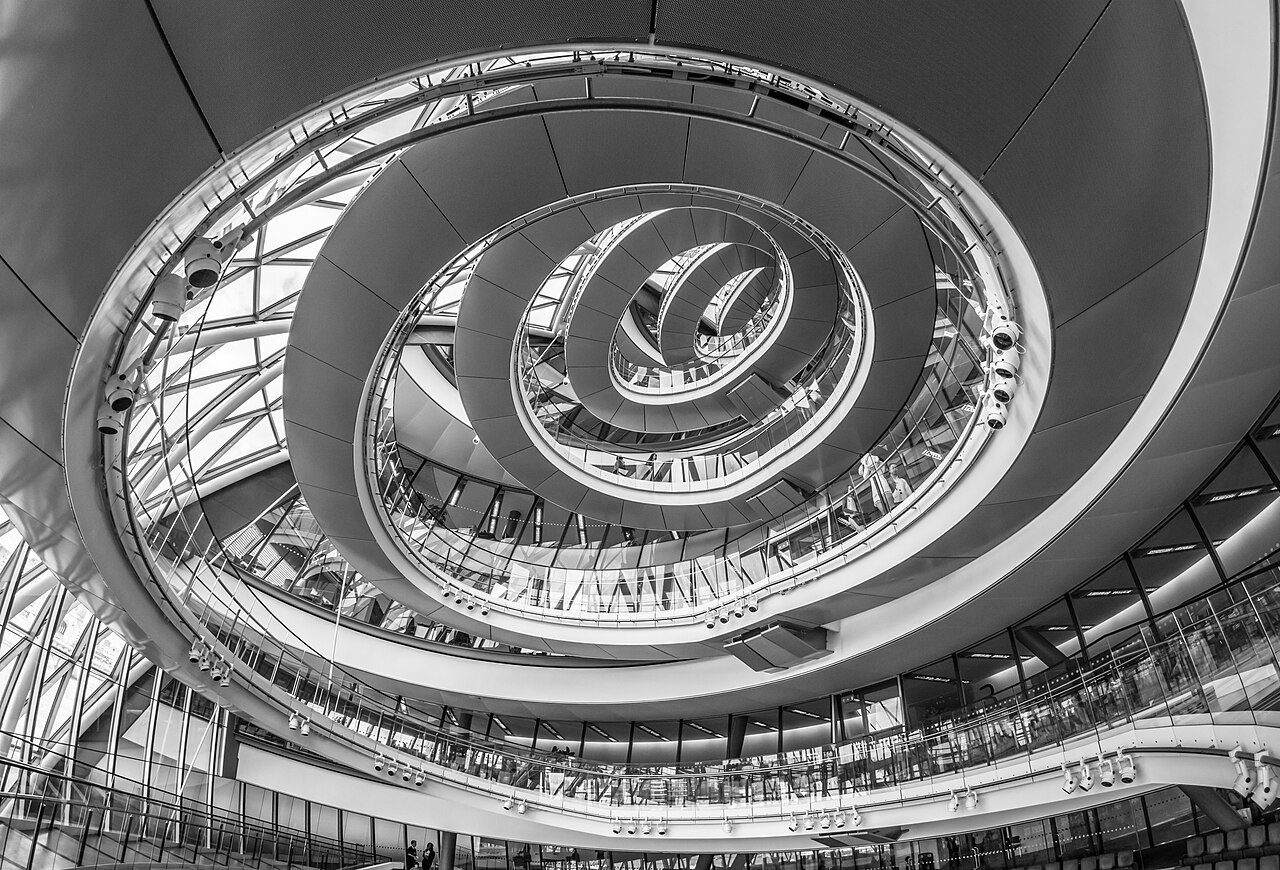
When London's Ultra Low Emission Zone launched in April 2019, covering central areas from King's Cross to Westminster, few predicted it would become a template for global cities wrestling with air quality. Yet that decision—born from decades of failed promises and worsening pollution—marked a turning point for Britain's capital.
The path to that moment reveals how complacency gave way to necessity. Throughout the 2010s, London's air quality remained among Europe's worst. Research by King's College London consistently showed that nitrogen dioxide levels, particularly around the Marylebone Road in Westminster, exceeded safe thresholds set by the World Health Organization. Children attending schools in central boroughs faced health risks equivalent to passive smoking. The cost to the NHS, quietly accumulating through respiratory treatments and lost productivity, reached billions annually.
The 2015 Paris Agreement created international momentum, but London's response remained patchy. Recycling rates stalled at around 34 per cent through the mid-2010s, while single-use plastics proliferated across Shoreditch markets and South London high streets. Transport emissions—accounting for roughly 27 per cent of the capital's carbon footprint—continued rising as congestion worsened. A single journey during rush hour from Canary Wharf to King's Cross could take 45 minutes.
What shifted the needle was the convergence of three forces: youth activism, council elections, and visible environmental collapse. Extinction Rebellion's 2019 occupation of Waterloo Bridge galvanized thousands. Simultaneously, the 2019 European elections saw Green Party votes surge in affluent areas like Islington and Hackney. Meanwhile, the Thames regularly flooded Chelsea Embankment and Borough, with sewage overflows becoming normalized rather than exceptional.
By 2020, the Greater London Authority had committed to carbon neutrality by 2030—an ambitious target requiring wholesale transformation in how Londoners heat homes, travel, and consume. The pandemic actually accelerated this: cycling infrastructure expanded dramatically on the Embankment and through Earl's Court, while remote working reduced transport demand by 22 per cent at peak.
Today's initiatives—from Sadiq Khan's bus fleet electrification programme to the circular economy hubs opening in Peckham and Walthamstow—didn't emerge from visionary planning alone. They emerged from crisis, pressure, and finally, acceptance that London's survival as a global leader required genuine transformation. The question now is whether the pace matches the urgency.
This article was compiled by AI from the sources linked above and screened before publishing. See our editorial standards.
News
News
News
News
About this article
Published by The Daily London
Spread the word
Daily brief
Free, in your inbox before 7am. Weekdays.
The Daily Network — independent news worldwide