News
Why London's Overstretched Emergency Services Put Your Neighbourhood at Risk
Response times are climbing across the capital as funding pressures force difficult choices about where police and paramedics can reach fastest.
2 min read
News
Response times are climbing across the capital as funding pressures force difficult choices about where police and paramedics can reach fastest.
2 min read
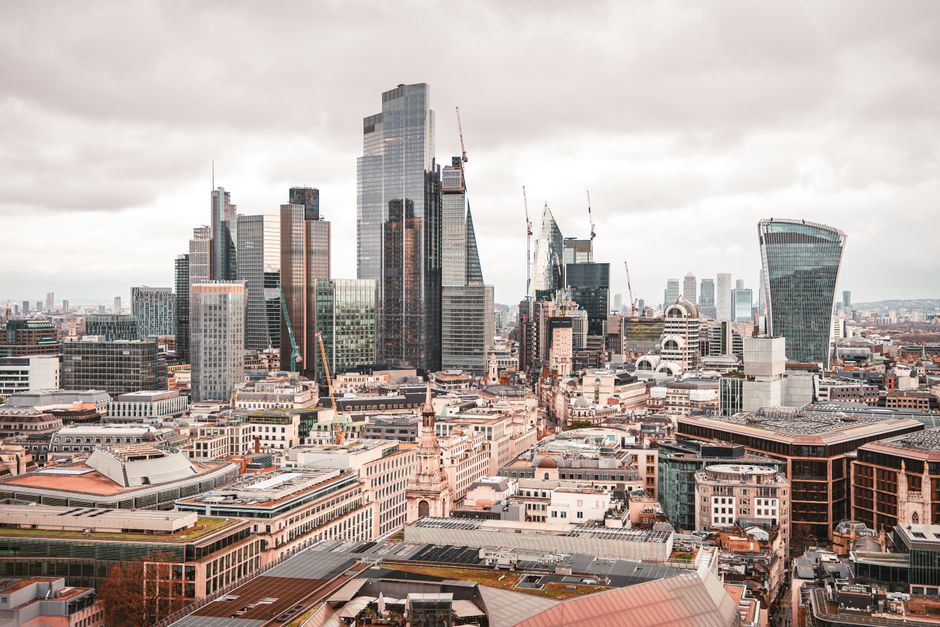
When a stabbing erupted outside a Tottenham High Road off-licence at 11pm last month, it took police 14 minutes to arrive. By then, the victim had bled out. In an earlier era, that response time might have seemed acceptable. Today, it represents a widening crisis in how London's emergency services operate—and why residents across every borough should be paying attention.
The Metropolitan Police currently operates with approximately 2,000 fewer officers than in 2010, according to recent parliamentary submissions. Meanwhile, London's population has grown by nearly 1 million since then. In neighbourhoods like Hackney, Newham, and Croydon—historically high-crime areas—the impact is acute. Local residents report visible reductions in foot patrols, with some streets in Peckham seeing officers only sporadically during evening hours.
The London Ambulance Service faces equally severe pressures. Average response times for life-threatening calls now reach 8-10 minutes in outer boroughs like Barking and Dagenham, up from 6-7 minutes five years ago. For cardiac emergencies and strokes, every second counts. The service responds to over 3,000 calls daily across the capital, yet operates with less staffing than demand requires.
This isn't abstract politics. It affects where families feel safe, property values in districts with visible crime problems, and whether your elderly neighbour on a Camden side street receives help in time. It shapes school run routes parents choose and which pubs stay open late. In Wandsworth, several community centres have introduced their own security staff because police presence feels insufficient.
Local authorities have attempted to fill gaps. The City of London Corporation funds dedicated police teams in the Square Mile; wealthier areas like Kensington have strengthened private security networks. But this creates a two-tier system where affluent postcodes effectively purchase better protection while working-class neighbourhoods absorb the shortfall.
Community groups from Islington to Southwark increasingly organise their own safety initiatives—street watch schemes, WhatsApp alert networks, business improvement districts funding extra security. These efforts matter, but they shouldn't substitute for properly resourced statutory services.
The question London residents face is uncomfortable but unavoidable: as public services strain further, are we content watching safety become a postcode lottery? Whether you live in Bethnal Green or Belgravia, the answer should concern you.
This article was compiled by AI from the sources linked above and screened before publishing. See our editorial standards.
News
News

News
News
About this article
Published by The Daily London
Spread the word
Daily brief
Free, in your inbox before 7am. Weekdays.
The Daily Network — independent news worldwide