news
Londoners Lose Irreplaceable Photos as Cloud Storage Providers Auto-Delete Files
From Hackney to Hammersmith, residents are losing irreplaceable personal photographs as cloud storage providers replace corrupted or duplicate files, sometimes without warning.
How we reported this
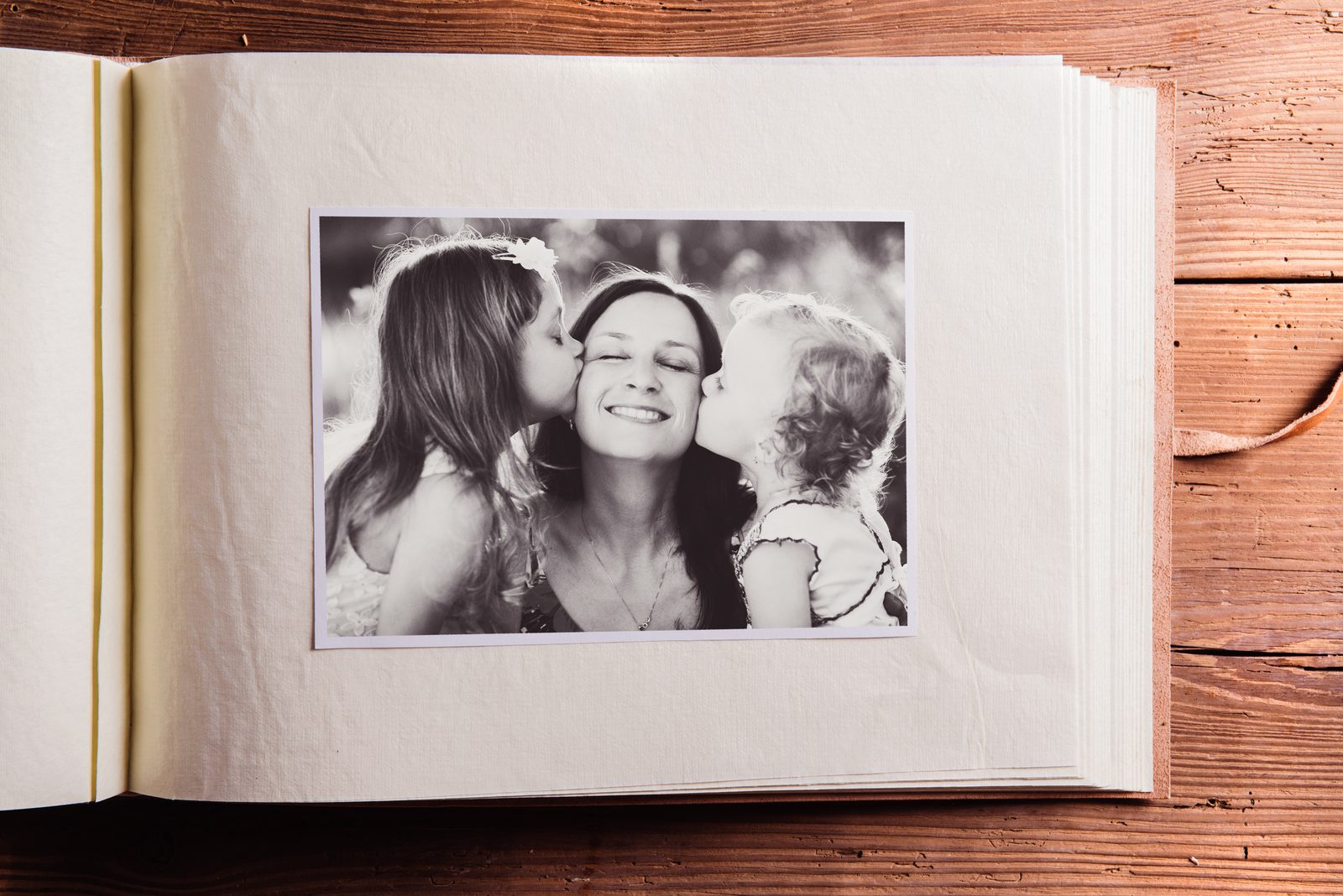
Thousands of Londoners are discovering that cherished digital photographs, wedding pictures, images of deceased relatives, records of children's early years, have been silently replaced or deleted by cloud storage services running automated duplicate-detection algorithms. The problem, which has accelerated since major providers updated their compression and deduplication systems in early 2026, is generating a wave of complaints from residents across the city who say they were given no meaningful notice before their files were altered.
The timing matters. Consumer digital storage has become the default archive for most households, particularly in dense urban areas where physical print culture has largely collapsed. A 2025 Ofcom report found that 74 percent of UK adults now store personal photographs exclusively on cloud platforms, with no physical backup. When those platforms make changes at scale, the human cost lands fast and hard.
Residents describe the loss
In Hackney, members of the Dalston-based Kingsland Community Trust say they have heard from dozens of local families over the past three months alone. The trust, which runs a digital inclusion programme on Ridley Road, began fielding calls in April from older residents who noticed that albums stored online had been restructured, with some images replaced by lower-resolution versions flagged as duplicates by the platform's sorting system. In several cases, the originals were gone entirely.
A woman from Peckham, speaking at a drop-in session run by the Southwark Digital Rights Group on Old Kent Road last month, described finding that photographs from her mother's funeral in 2019 had been overwritten. She had used a free-tier cloud account that, under updated terms introduced in January 2026, now applies automatic deduplication to any folder containing files it identifies as near-identical, a category that can include sequential photos taken seconds apart. She had not received an email alert before the changes took effect.
In Hammersmith, a local councillor's surgery held at the Lyric Theatre community space in King Street heard similar accounts in June. A man who had documented his daughter's first three years almost entirely on a smartphone said he lost roughly 400 images to an automated clean-up sweep. The platform involved had updated its terms of service in February, but buried the relevant clause in a 6,000-word policy document.
What the data shows, and what to do now
Consumer rights organisation Which? logged a 38 percent rise in cloud storage complaints between January and May 2026 compared with the same period in 2025, with image loss and unauthorised file modification among the top three categories. The Information Commissioner's Office confirmed in June that it had received a material increase in reports relating to automated content modification by storage providers, and said it was assessing whether current practices meet obligations under UK GDPR.
The Kingsland Community Trust is running free one-to-one sessions every Tuesday at its Ridley Road premises throughout July, focused specifically on helping residents audit their cloud accounts and export backups to external drives. The trust recommends using the 3-2-1 rule: three copies of any file, on two different storage types, with one stored offline. External hard drives adequate for most family photo archives are available from the Tottenham Court Road electronics district from around £40.
Residents with accounts on major platforms should check their account activity logs, most providers offer a version history or deletion log accessible from account settings, and download a full export of their data before any further automated processes run. Those who believe files were deleted without adequate notice can file a complaint directly with the ICO at ico.org.uk, referencing the right to explanation under Article 22 of UK GDPR where automated decision-making affected their stored content.
The Southwark Digital Rights Group holds its next public advice session on 16 July at its Old Kent Road base, starting at 6pm. Admission is free. For families who have already lost files, professional data recovery services on Gray's Inn Road in Clerkenwell offer partial recovery in some cases, though prices start at £150 and success is not guaranteed once files have been overwritten at server level.