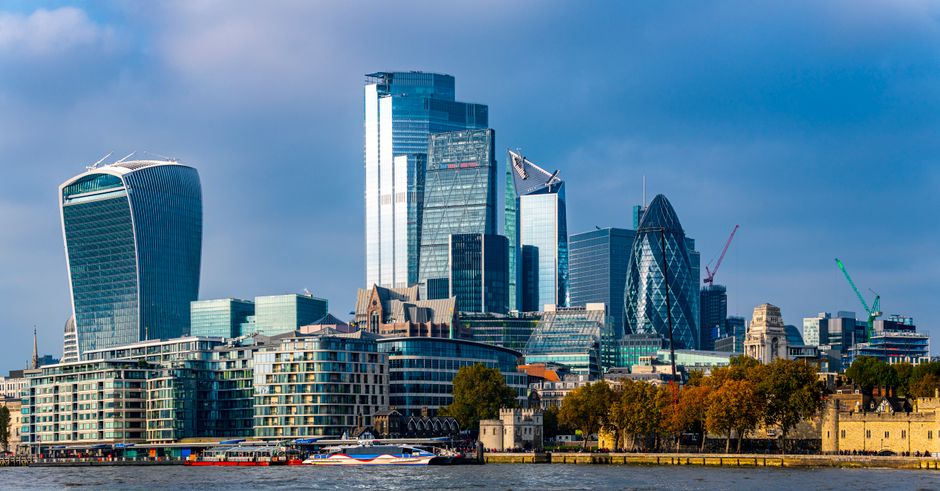
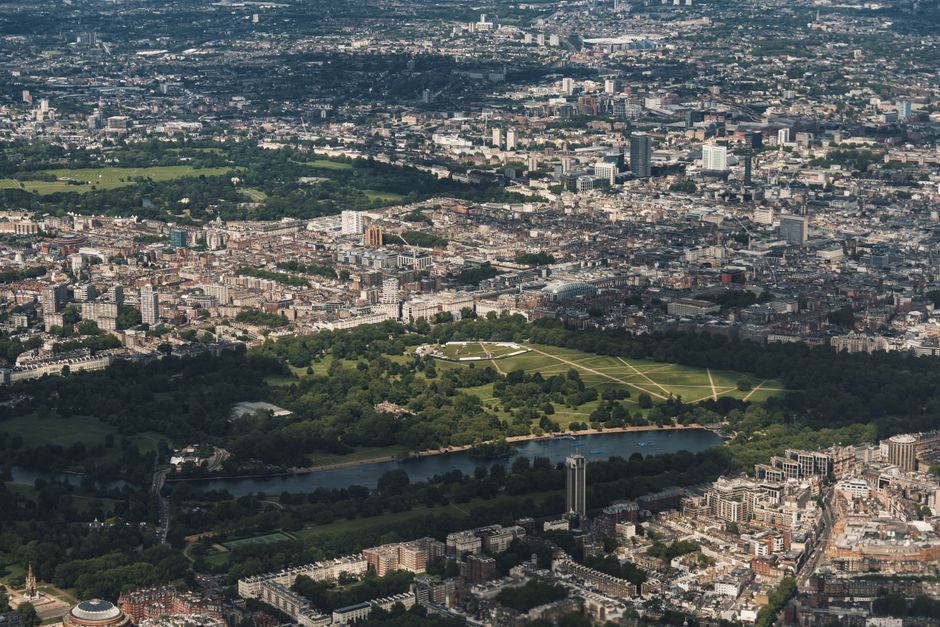
Thousands of planning applications submitted to London boroughs over the past decade have contained duplicate, recycled, or placeholder images — photographs and renders that do not accurately represent the proposed site or building. The problem, long acknowledged in professional circles, has now drawn the attention of planning reform campaigners pushing the Starmer government to tighten digital submission standards as part of its wider housebuilding agenda.
The issue matters now because the government's Planning and Infrastructure Bill, introduced in early 2025, places significant weight on digital transparency. Ministers have argued that modernising the planning portal will build public trust in a system that approved roughly 500,000 decisions annually across England. If the underlying documentation is unreliable — images duplicated from other applications, street-view screenshots cropped to hide context, or renders reused from entirely different projects — that transparency argument collapses before it begins.
A Problem Rooted in How Applications Are Filed
The practice traces back to the mid-2010s expansion of online planning portals. When the Planning Portal — the national submission gateway used by virtually every English local authority — moved to mandatory digital filing around 2013 and 2014, it created a new vulnerability. Applicants uploading PDF bundles discovered early on that image validation was minimal. A render from a Croydon town centre scheme could appear, unaltered, in a Barking application filed three months later. Boroughs processing hundreds of applications a month rarely had the staff to cross-check visual assets against site addresses.
In London specifically, the volume is staggering. The Greater London Authority received over 80,000 planning applications across the 33 boroughs in 2023 alone, according to figures the GLA has published. Even a small percentage of those containing duplicated or misleading imagery translates into thousands of cases where local residents attending planning committee meetings at venues like Southwark's council chambers on Tooley Street, or Tower Hamlets' offices on Whitechapel Road, were scrutinising documents that did not fully represent what was being proposed.
Planning advocacy groups, including those that have been active around the Old Oak and Park Royal Development Corporation in west London, flagged the image duplication issue as far back as 2019. The concern was not always deliberate deception — sometimes a junior draughtsperson simply grabbed the wrong file from a shared folder. But the effect on public participation was real. Objectors challenging a scheme on visual grounds, say, a proposed tower's impact on views across Hackney Marshes, found themselves arguing against pictures that did not show the actual site.
What Changed, and What Still Hasn't
The Local Digital Declaration, signed by dozens of councils including Lambeth and Camden, committed signatories from 2018 onwards to improving data quality in public services. Planning data was identified as a priority. The Open Digital Planning project, a programme backed by the Department for Levelling Up (now the Ministry of Housing, Communities and Local Government) and running since 2022, has attempted to standardise how applications are logged and displayed. Camden Council and Southwark Council were among the early pilot boroughs.
Progress has been uneven. The Planning Portal itself updated its image upload requirements in 2023, introducing basic file-name checks, but no automated system yet cross-references images across applications to flag duplicates. That technical gap is what campaigners want the Planning and Infrastructure Bill to close — through mandatory metadata standards and a national image registry that borough planning officers could query before a decision goes to committee.
For anyone with a planning application currently going through the system, the practical advice is straightforward: request the full document bundle from your local authority under the council's public access portal, check that site photographs carry visible street numbers or recognisable landmarks, and if images look generic, submit a formal representation asking the case officer to verify that submitted visuals match the actual address. In London, that right to make representations is enshrined in the Town and Country Planning Act 1990 and costs nothing to exercise. The bill's committee stage in the Lords this autumn may be the last realistic window to push for the systemic fix that a decade of digital planning has so far failed to deliver.