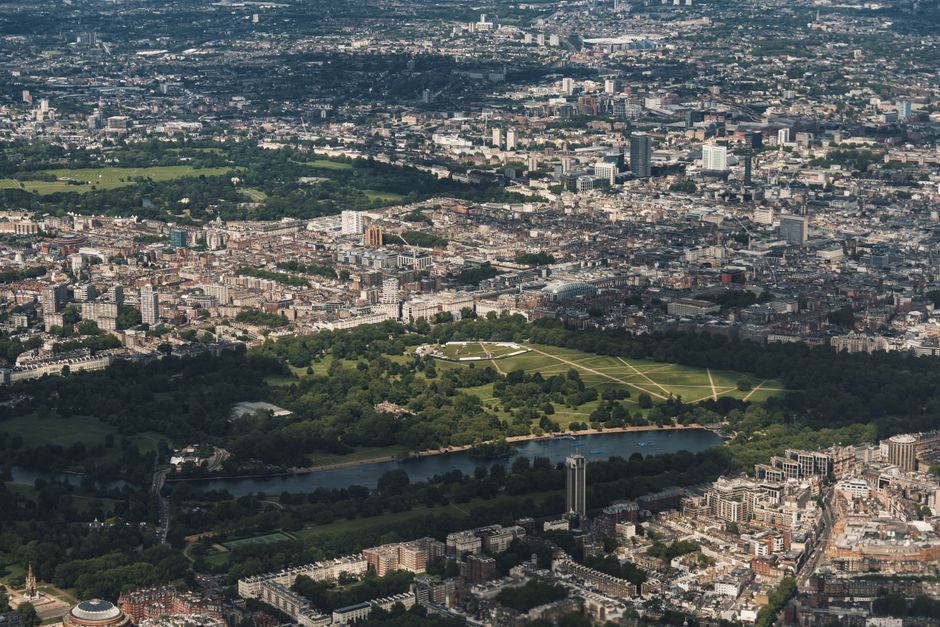
London's overloaded planning portals are sitting on a largely invisible problem: tens of thousands of duplicate images lodged across borough planning systems, clogging decision pipelines and, in some cases, triggering incorrect refusals. The Greater London Authority confirmed last month that a data audit of the Planning Data Service — the centralised repository feeding into borough portals — had identified more than 14,000 duplicate or mis-attributed image files uploaded since January 2024.
The timing is awkward. Keir Starmer's government has staked serious political capital on a planning reform agenda, with housing secretary Angela Rayner's revised National Planning Policy Framework demanding faster local decisions and a minimum of 370,000 new homes approved nationally per year. Anything that gums up the approval machinery in London — which needs to deliver roughly 52,000 new homes annually to meet GLA targets — is a genuine liability, not an administrative footnote.
Where the Backlog Is Biting
The problem is worst in the boroughs processing the highest application volumes. Tower Hamlets, which logged 4,200 planning applications in the 12 months to March 2026, has been running a manual review programme since April to cross-check image metadata against application references. Southwark Council, covering a regeneration corridor from London Bridge down to Peckham, told The Daily London that duplicate submissions had contributed to delays on at least 60 residential applications currently sitting beyond the statutory eight-week determination window.
The core technical issue is straightforward enough: when applicants upload site photographs, elevation drawings or heritage impact images through the Planning Portal — the national gateway used by most English councils — the system does not automatically deduplicate files with identical pixel data but different file names. A single-family extension in Bermondsey can arrive with eight versions of the same front-elevation JPEG, each named differently by an architect's practice management software. Each copy gets logged. Some get assigned to wrong application references during bulk imports.
Architects and planning consultants working out of offices around Clerkenwell and Fitzrovia have been aware of this for the better part of 18 months. The Planning Portal itself flagged the issue in a technical bulletin in November 2025, promising a deduplication engine by Q2 2026. That deadline has slipped to Q3, according to a written answer in the House of Commons on 17 June 2026.
The Decisions That Now Matter
Three choices will define what happens over the next six months. First, the GLA must decide whether to mandate borough-level image audits or leave it to councils to self-certify their data is clean. A mandatory audit would cost an estimated £2.3 million across all 33 London boroughs, according to figures compiled by London Councils, the umbrella body. Voluntary compliance has so far produced patchy results.
Second, the Planning Portal's owner, TerraQuest Solutions, must ship its deduplication tool on the revised Q3 timetable — ideally before the autumn application surge, when submissions typically climb 20 per cent as developers rush to beat winter weather delays. If the tool misidentifies unique images as duplicates and strips them from live applications, the legal exposure is significant: applicants whose cases are decided on incomplete image records have grounds to challenge decisions at the Planning Inspectorate.
Third, and most consequentially for ordinary Londoners, borough planning committees will need to decide how to treat applications currently delayed by image disputes. Southwark and Tower Hamlets are weighing whether to pause the eight-week clock on affected cases or push decisions through on available documentation. The former protects applicants; the latter keeps headline statistics clean for the government's league tables.
Homeowners and developers with live applications in affected boroughs should request a written confirmation from their case officer that all uploaded images are correctly attributed before the end of July. The Planning Portal's help desk — reachable through the portal's account dashboard — can generate an image verification report for individual application references. That single step will not fix the system-wide problem, but it will protect individual cases from being caught in the crossfire when the deduplication engine finally goes live.