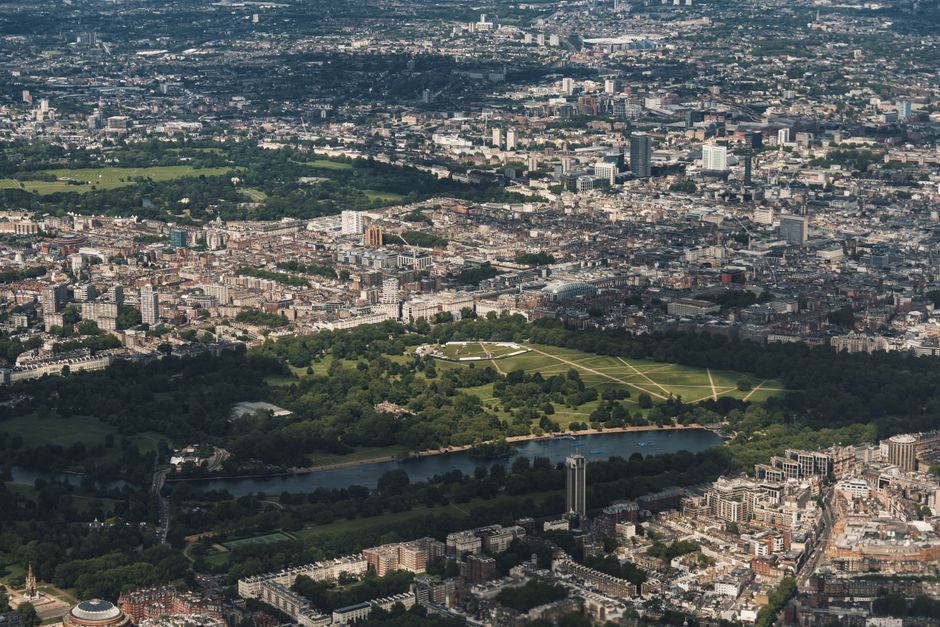
A quiet but consequential problem has been building inside London's planning and property machine. Duplicate images — photographs reused across multiple planning applications, housing listings and public-record submissions to present different sites as more complete, more attractive or more compliant than they actually are — have drawn enough complaints to force a response from several borough councils. The question now is what that response will actually look like.
The issue sits at the intersection of two urgent pressures on the capital right now: the Starmer government's push to accelerate housing delivery through planning reform, and the pressure on local authorities to process applications faster. Speed creates opportunity for corners to be cut. Borough planning departments in Hackney and Tower Hamlets have both fielded objections this year from residents and neighbourhood groups who identified photographs submitted with planning applications that appeared in documentation for entirely separate schemes — sometimes miles apart, sometimes in different boroughs entirely.
Why the Timing Matters
The National Planning Policy Framework, updated in December 2024, placed new obligations on local planning authorities to verify the accuracy of submitted materials. That change gave campaigners a lever they did not previously have. The London Legacy Development Corporation, which oversees planning across parts of Stratford, Hackney Wick and the Queen Elizabeth Olympic Park area, confirmed earlier this year that it was reviewing its document-checking procedures, though it has not published findings. Meanwhile, the Planning Inspectorate, which handles appeals when applicants challenge council decisions, has begun asking applicants at appeal hearings to confirm the provenance of photographic evidence.
The Greater London Authority, under Mayor Sadiq Khan, has been developing supplementary guidance on digital evidence standards as part of the broader London Plan implementation work. That guidance, expected to be published for consultation before the end of 2026, would for the first time set out what councils across all 32 boroughs are expected to do when they suspect submitted imagery has been duplicated or manipulated. Currently, practice varies dramatically: some boroughs flag suspicious images and request replacements; others process the application and leave it to objectors to raise concerns.
The practical consequences are not trivial. In the Bermondsey Street conservation area in Southwark, a retrospective planning dispute that dragged through 2024 and 2025 involved arguments over whether site photographs accurately represented conditions at the time of application. In Islington, the council's planning portal now carries a notice asking applicants to confirm that all photographs are original and site-specific — a simple administrative step, but one that creates a paper trail if the declaration proves false.
The Decisions That Will Define the Outcome
Three choices will determine whether London ends up with a workable standard or continues to manage the problem ad hoc. First, whether the GLA's forthcoming guidance is binding or merely advisory — the difference between a requirement councils must follow and a suggestion they can ignore. Second, whether the Planning Inspectorate formalises its approach to image provenance checks at appeal, which would give the issue legal weight it currently lacks. Third, whether enforcement responsibility sits with councils, with the Land Registry, or with a new digital verification layer being discussed — but not yet agreed — between the Department for Housing, Communities and Local Government and the property data industry.
Campaigners from the London Forum of Amenity and Civic Societies, which represents more than 100 local groups across the capital, have been pressing for mandatory metadata disclosure on all submitted planning photographs — a step that would allow councils to check when and where an image was taken using embedded file data. The technology exists. The political will to require it does not yet.
For anyone with a planning application pending, or anyone objecting to one, the practical advice is specific: download and save submitted image files, not just screenshots, before they are replaced or the application is determined. File a formal written objection through the council's public consultation portal if you believe imagery is inaccurate — that creates a record. And watch for the GLA consultation, expected in the autumn, which will be the most direct opportunity to push for binding standards before the guidance is locked in.