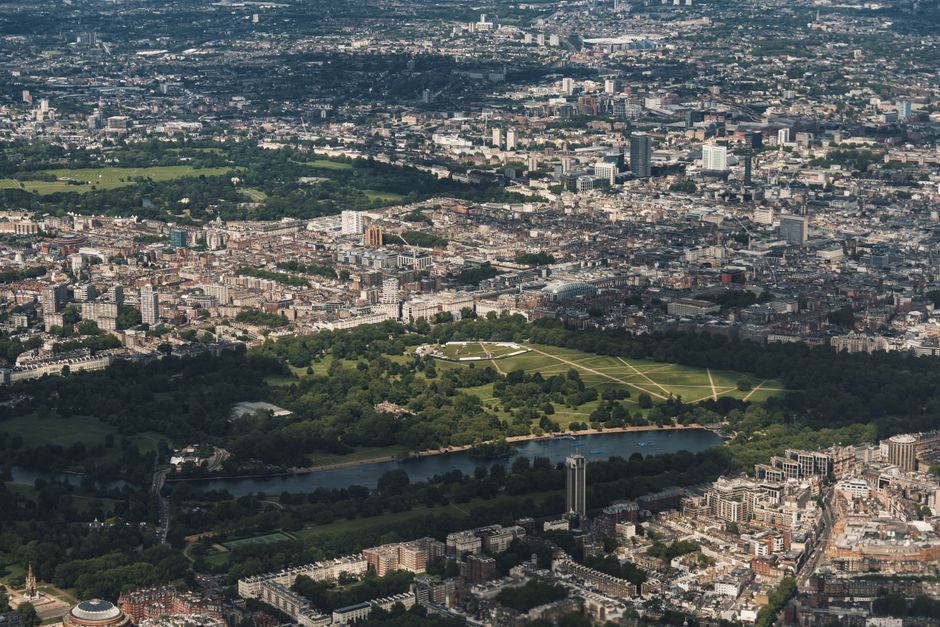
A growing problem is quietly undermining planning transparency across London boroughs: duplicate and recycled images submitted as part of planning applications are giving residents a distorted picture of proposed developments, often at the moment when their objections matter most. Housing campaigners and legal observers have pointed to the practice as a material concern, particularly as the Labour government pushes through the most aggressive planning reforms in a generation under the Planning and Infrastructure Bill currently before Parliament.
The issue is straightforward but consequential. Applicants or their agents sometimes submit photographs or visualisations that do not accurately represent a specific site — images lifted from other projects, used in multiple applications across different boroughs, or cropped to omit neighbouring buildings and street context. A resident in Peckham or Walthamstow consulting their local council's planning portal may be looking at a rendering that was originally produced for a site in Hackney or Tower Hamlets. They have no easy way of knowing.
Where the Problem Is Showing Up
The London Borough of Southwark, which processes some of the highest volumes of planning applications in the capital, updated its validation checklist in early 2025 to require georeferenced photographs with embedded metadata. But enforcement of that requirement has been patchy, and community groups near the Elephant and Castle regeneration zone — where dozens of smaller infill applications run alongside major schemes — say they have struggled to identify which images are site-specific. The Old Kent Road corridor alone has seen more than 40 planning submissions in the past 18 months, according to Southwark's public register.
In the London Borough of Haringey, the Wood Green Community Forum flagged concerns to the council in February 2026 after members noticed near-identical street-level photographs appearing in applications for two separate sites on Station Road and Lordship Lane. The council acknowledged the submissions but said it was a matter for applicants to ensure accuracy — a response that left residents unclear about what recourse, if any, they had.
The Greater London Authority's Design and Review Panel has guidelines requiring accurate and contextualised imagery for major applications — those above 150 units or 30 metres in height — but smaller schemes, which make up the overwhelming majority of residential applications, fall outside that oversight. That gap is significant. Across the 33 London boroughs, the Planning Portal recorded more than 110,000 planning applications in 2024-25, the vast majority of them smaller residential proposals where image verification is left entirely to individual councils.
What Residents Can Do Now
The practical consequences for communities are real. Objection windows are typically 21 days from the date an application is publicly registered. If a resident spends part of that window trying to reconcile what they see in submitted photographs with what they know about the actual site, the effective time for preparing a substantive response shrinks considerably. For elderly residents, those without broadband access, or those whose first language is not English, the barrier is higher still.
The Neighbourhood Planners London network, which supports community groups writing neighbourhood plans under the Localism Act 2011, has begun advising its members to cross-reference submitted application images against Google Street View capture dates and Ordnance Survey records. It is a workaround, not a solution. The network has also recommended that residents formally note any image discrepancies in writing to their local planning department, since this creates a paper trail that can be referenced if an approval is later challenged.
Ministers at the Ministry of Housing, Communities and Local Government are expected to publish revised validation requirements for local planning authorities later this year as part of the implementation schedule for the Planning and Infrastructure Bill. Campaigners are pushing for mandatory metadata verification on all photographs submitted digitally — something that is technically achievable since most planning portals already accept digital files. Whether that makes it into the final secondary legislation will depend in large part on lobbying from local authorities worried about the administrative burden.
In the meantime, residents with concerns about a specific application can contact their borough's planning department in writing, request to inspect the original submitted documents in person under the Town and Country Planning Act 1990, and submit formal objections noting any apparent inconsistencies in the visual evidence. The 21-day clock, however, does not stop while those inquiries are made.