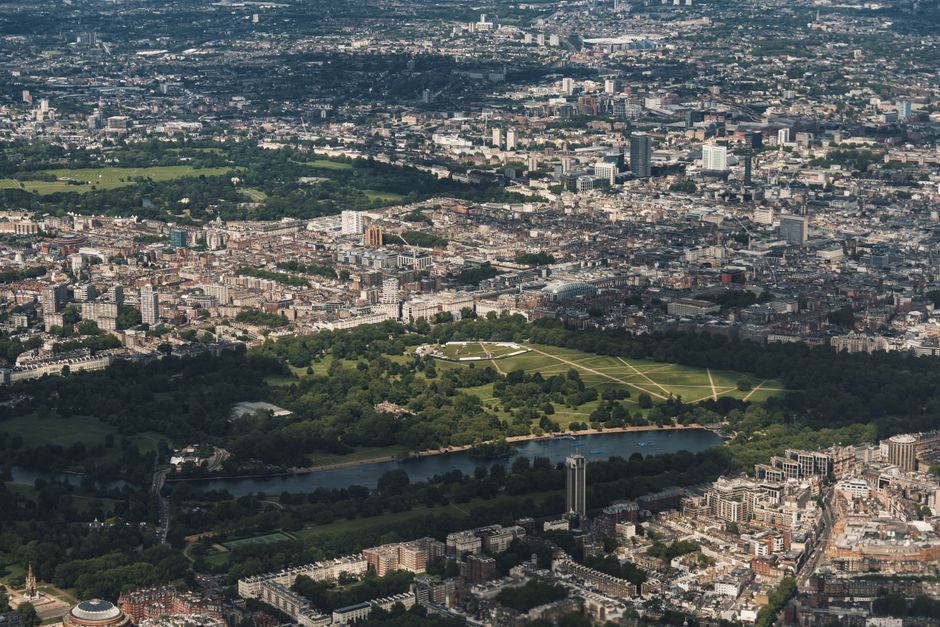
Planning applications lodged with London boroughs are increasingly accompanied by duplicate or incorrectly matched site images — photographs reused from other developments, pulled from outdated street-level surveys, or simply misfiled — and housing campaigners say the practice is warping public consultation in one of the most contested property markets in Europe.
The issue matters now because the Labour government's Planning and Infrastructure Bill, currently before Parliament, is designed to accelerate development approvals across England. Critics argue that speeding up a system that already struggles with basic document integrity risks locking residents out of the one mechanism they have to challenge what gets built on their street. For Londoners in areas facing major regeneration — Elephant and Castle, Stratford, Old Oak Common — the quality of submitted evidence is not an abstract concern.
What Goes Wrong, and Where
The problem is systemic rather than exceptional. London borough planning portals — including those run by Southwark Council and Tower Hamlets Council — host thousands of live applications at any given moment. Each requires supporting imagery: existing site photographs, street-scene elevations, heritage impact visuals. When those images are duplicated from a previous application, either through administrative error or deliberate file reuse, the document record no longer accurately represents the site under review.
Residents living near the Old Kent Road regeneration corridor in Southwark, an area earmarked for more than 20,000 new homes under the Old Kent Road Area Action Plan, have long complained that planning documents do not reflect ground-level conditions they can verify by walking outside. The same concern has surfaced repeatedly at public consultation events organised by groups including the 35% Campaign, a London-based housing accountability organisation that scrutinises major planning submissions.
Tower Hamlets, where the council approved a local plan in 2023 targeting significant residential growth around Whitechapel and Poplar, faces comparable scrutiny. Planning officers there process hundreds of applications monthly, and the sheer volume creates conditions in which duplicate imagery can pass undetected at the validation stage — the administrative checkpoint meant to catch incomplete or inaccurate submissions before an application proceeds to formal determination.
Why Accuracy in Planning Documents Is a Legal Safeguard
Under the Town and Country Planning Act 1990 and associated General Permitted Development Orders, applicants are required to submit accurate representations of the existing site. A planning permission granted on the basis of materially inaccurate documentation can, in principle, be challenged through judicial review — but that route costs upwards of £10,000 in legal fees and is beyond most individual residents or small community groups.
The Mayor of London's office publishes a London Development Database tracking major applications across all 33 boroughs. As of the 2024-25 financial year, the database recorded more than 95,000 planning decisions across Greater London — a figure that underscores how quickly errors at the document validation stage can compound across the system. Hackney Wick, currently host to several large mixed-use applications tied to post-Olympic legacy development, is among the areas where resident groups have formally written to planning departments querying the provenance of submitted site imagery.
Practical steps exist for communities who want to protect themselves. Residents can request the full application file through a council's online planning portal — most London boroughs now use the Idox Public Access system — and cross-check submitted photographs against dated Google Street View imagery or the Historic England Archive for older buildings. Any discrepancy can be raised as a formal representation during the statutory consultation window, which runs for a minimum of 21 days on most applications. If an application is validated with images that demonstrably show a different site, a written objection flagging the specific document reference number puts the council on notice before a decision is issued. Local planning aid organisations, including Planning Aid England, offer free guidance to residents navigating this process. The Southwark Law Centre on Peckham Road also provides drop-in advice on planning objections for residents in southeast London boroughs.