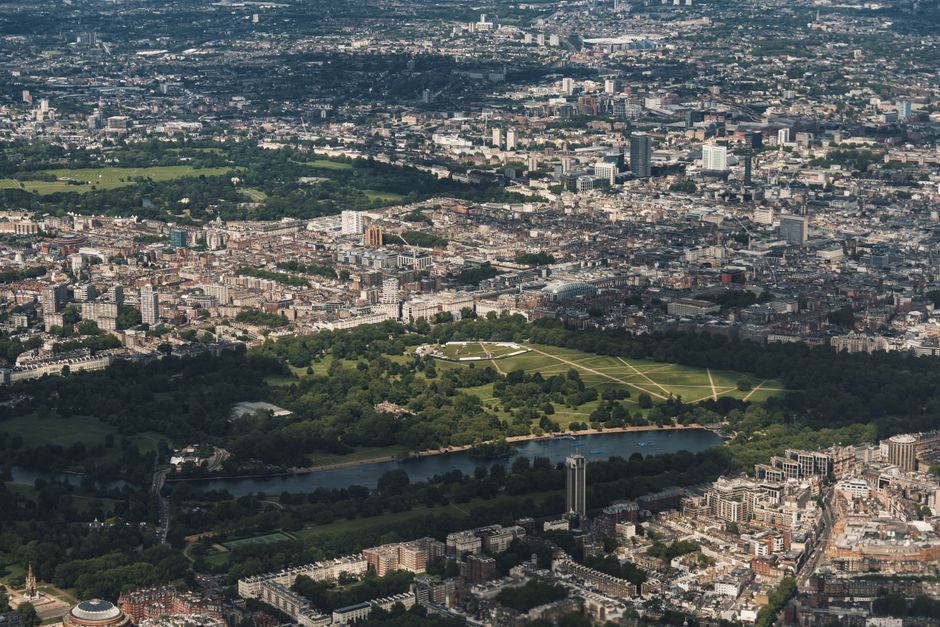
London's planning system has a data problem hiding in plain sight. Duplicate images — photographs, architectural renders and heritage survey shots filed multiple times under different reference numbers — are quietly distorting how planners, developers and conservation officers assess the capital's built environment. The Greater London Authority confirmed earlier this year that its planning portal contains tens of thousands of image records flagged for review, a backlog that has compounded as digital submissions surged during the pandemic-era shift to online applications.
The issue matters now because the Starmer government's Planning and Infrastructure Bill, currently making its way through Parliament, will accelerate the digitisation of local development plans across England. For London, that means any structural flaws in existing image databases — duplications, misattributions, orphaned files without location metadata — risk being baked into the new system before anyone has corrected them. Get it wrong at this stage, and the errors become foundational.
Where the Duplicates Are Piling Up
Two areas of the capital have emerged as particular flashpoints. In Southwark, the council's heritage team has been working through a backlog of duplicate survey photographs tied to Listed Building Consent applications along Borough High Street, where several Victorian-era pub and warehouse conversions generated overlapping submissions between 2019 and 2023. Meanwhile, the London Borough of Tower Hamlets flagged duplicate render files associated with the Whitechapel Vision masterplan, a regeneration programme centred on the area around Cambridge Heath Road and Whitechapel Road that has attracted more than a dozen separate developer pre-applications in the past four years.
Historic England, the public body that advises on heritage, has its own image archive — the National Record of the Historic Environment — which interfaces with borough-level planning portals. Where a building sits on the Statutory List and a developer submits images that already exist in Historic England's database, the duplication isn't just an administrative nuisance: it creates conflicting version histories that can undermine appeals and judicial review proceedings.
The practical cost is not trivial. Planning consultants working on mid-size residential schemes in inner London have estimated that resolving duplicate or misfiled image records can add between two and six weeks to pre-application stages, time that translates directly into holding costs on land that, in areas like Bermondsey or Hackney Wick, can run to several hundred thousand pounds per month depending on site size and financing terms.
The Decisions That Will Define the Next 12 Months
Three choices are coming that will determine whether the problem gets solved or simply migrated into a newer system. First, the GLA must decide by the end of 2026 whether to adopt a unified image identifier standard — a single persistent reference code assigned to each photograph at the point of upload — across all 33 London boroughs. Voluntary adoption has stalled; mandatory compliance through the London Plan may be the only mechanism with teeth.
Second, the Southwark and Tower Hamlets reviews will serve as test cases for a broader question: who is responsible for deduplication, the submitting party or the receiving authority? Current planning guidance does not specify, which means the administrative burden falls wherever it lands, usually on already stretched council planning departments.
Third, Historic England's integration with local portals is scheduled for a technical upgrade in the first quarter of 2027. That upgrade represents the last realistic opportunity to build deduplication logic into the system architecture before the Planning and Infrastructure Bill's digitisation requirements kick in fully. Miss that window, and the correction becomes far more expensive.
Developers, architects and planning lawyers with active applications in London should audit their submitted image libraries now, cross-referencing file metadata against portal reference numbers before any forthcoming appeal deadlines. Boroughs are under no current obligation to notify applicants when duplicates are discovered, so the onus remains with the submitting party. The GLA's planning portal team can be contacted directly through the London Development Database support service for guidance on specific applications.