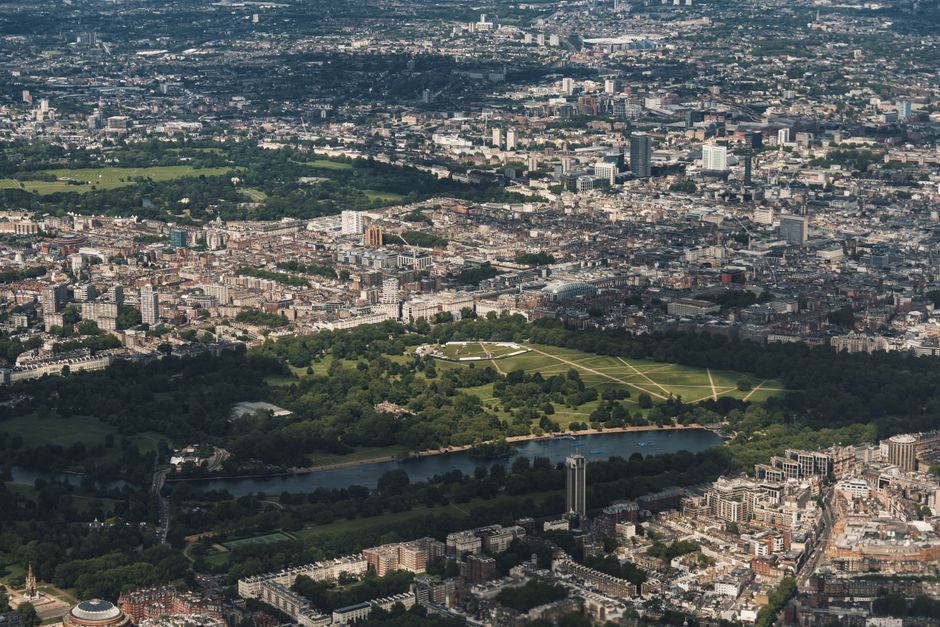
Planning applications across London are being slowed by a persistent and largely invisible problem: duplicate images embedded in submitted development documents are clogging the Greater London Authority's digital processing systems, creating backlogs that feed directly into the housing crisis Keir Starmer's government has made the centrepiece of its legislative agenda. The issue, which has built incrementally over several years, is now drawing scrutiny from borough planning departments from Southwark to Enfield.
The timing is particularly awkward. The government's Planning and Infrastructure Bill, currently progressing through Parliament, is designed to accelerate approvals and unlock tens of thousands of new homes across England. But if the document-handling infrastructure underpinning local authority systems cannot reliably process submissions, the faster statutory timelines the Bill proposes risk becoming paper targets. For London, where the Mayor's London Plan already sets a target of 52,000 new homes per year — a figure the capital has not come close to hitting in recent memory — the stakes are concrete.
The Paper Trail Behind the Problem
The roots of the duplicate image problem stretch back to the mid-2010s, when planning authorities began migrating from paper-based submissions to digital portals. The Planning Portal, the national online gateway used by most London boroughs, was updated repeatedly between 2016 and 2022 to accommodate larger file sizes and richer supporting documentation. Applicants — typically architects, planning consultants, and developers — began bundling high-resolution site photographs, elevation drawings, and heritage impact assessments into single PDF packages, often running to hundreds of pages.
Without robust deduplication protocols on either the submission or the processing end, identical images began appearing multiple times inside the same document sets. A single major application for, say, a mixed-use scheme on the Old Kent Road in Bermondsey might include the same aerial photograph of the site embedded in the design-and-access statement, the heritage report, and the planning statement — three times over, each copy uncompressed. Multiplied across hundreds of applications, the storage and processing burden accumulates fast.
The London Legacy Development Corporation, which oversees planning in the Queen Elizabeth Olympic Park area and parts of Stratford and Hackney Wick, began flagging processing anomalies in submissions as early as 2023, according to publicly available board minutes from that period. Individual boroughs, including Tower Hamlets and Lewisham, have each published notices on their planning portals asking applicants to reduce file sizes and avoid repeated imagery — evidence that the problem is widespread rather than isolated.
What Needs to Happen Next
The practical consequence for developers is measurable. The statutory target for determining major planning applications is 13 weeks. Data published by the Ministry of Housing, Communities and Local Government covering the 2024–25 financial year showed that fewer than half of major applications in London were decided within that window — a figure cited in Parliamentary debate earlier this year. Duplicate image bloat is not the sole cause of those delays, but planning officers at several London boroughs have described it as a recurring friction point in technical consultee responses and internal document review workflows.
The GLA and the Planning Portal operator, TerraQuest Solutions, have both signalled that system upgrades are in the pipeline. TerraQuest published a product roadmap update in January 2026 indicating that automated file validation — including duplicate asset detection — would be introduced ahead of the Planning and Infrastructure Bill receiving Royal Assent. That remains the clearest statement of intent on record.
For applicants preparing submissions now, the practical advice from borough planning departments is blunt: compress images before upload, consolidate supporting documents wherever possible, and avoid cross-embedding the same graphic across multiple reports. The London Borough of Islington's planning pre-application guidance, updated in March 2026, specifically flags oversized and redundant image files as a reason applications are returned for resubmission. Resubmission adds weeks. In a city building against a housing emergency, those weeks are not abstract.