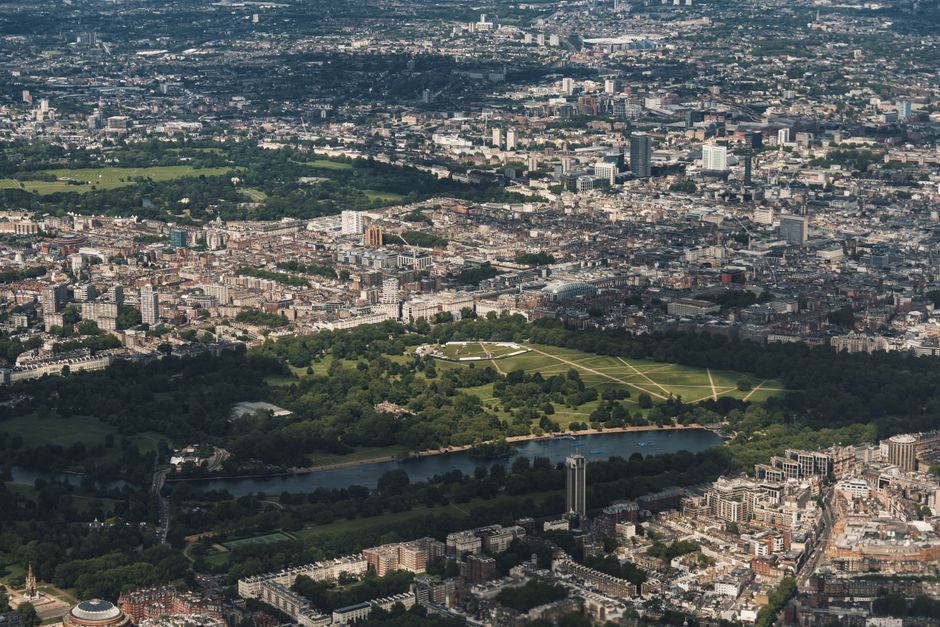
A quiet but consequential dispute is building inside London's planning and property sectors over the use of duplicate and outdated images in official applications — and the calls to fix it are getting louder. Architects, heritage bodies and local councillors are pressing for clearer standards on when visual records in planning submissions must be replaced, arguing that stale or duplicated imagery is distorting decisions on everything from housing conversions in Hackney to listed building consents in Westminster.
The issue has gained particular urgency this summer as the Labour government pushes its Planning and Infrastructure Bill through Parliament, a piece of legislation that seeks to accelerate housing delivery by streamlining approvals. Critics say that without robust rules on image accuracy, faster processing will simply embed existing errors at speed.
Why Accurate Visual Records Matter Now
Planning applications submitted to the Greater London Authority and to borough councils routinely include site photographs, architectural renders and heritage surveys. When those images are duplicated from previous, often rejected applications — or simply lifted wholesale from earlier proposals for different plots — decision-makers may be working from a materially misleading picture of a site. The problem is not new, but digital submission portals introduced by the GLA's Development Management team since 2023 have made bulk duplication easier and harder to detect without manual review.
The Barbican and City of London Corporation have flagged the issue internally in the context of several recent listed building applications near the Silk Street complex, according to documents tabled at the Corporation's Planning and Transportation Committee in spring 2026. The Royal Borough of Kensington and Chelsea's planning department raised similar concerns in written evidence submitted to the Parliamentary committee scrutinising the Planning and Infrastructure Bill in March 2026, pointing to cases where render packs appeared across multiple unrelated Notting Hill Gate redevelopment bids.
The Historic England advisory body, which covers listed structures across Greater London including the Grade I-listed Somerset House on the Strand and the Geffrye Museum in Hoxton, has published technical guidance noting that duplicate photographic evidence in heritage impact assessments can result in consents being granted or refused on inaccurate grounds. The guidance, updated in January 2026, recommends that applicants provide geo-tagged, date-stamped images taken no more than six months before submission.
What Professionals and Officials Are Arguing
Professionals in the sector are divided on where responsibility should sit. Chartered surveyors and architects' practices operating out of offices along Fitzroy Street in Fitzrovia — a dense concentration of design firms near the RIBA headquarters on Portland Place — broadly support mandatory image validation at the point of validation, not just at committee stage. They argue borough planning officers are already overstretched, and catching duplicate imagery manually adds to backlogs that in some London boroughs currently stretch beyond 26 weeks for major applications.
Those closer to local government are more cautious about adding validation obligations without additional resource. Southwark Council's planning service, which processed more than 4,200 applications in the 2024-25 financial year according to its published annual monitoring report, has publicly noted that each additional compliance check requires officer time that the current establishment cannot absorb without either new funding or a reduction in application volume.
The tension feeds directly into a wider argument about the Starmer government's housing targets. London has been set a mandatory annual target of 88,000 new homes under the revised National Planning Policy Framework published in December 2024. Slowing the validation pipeline, even modestly, risks compounding an already significant delivery gap.
Mayor Sadiq Khan's office has indicated that the GLA's Development Management unit is reviewing its digital submission protocols, with a revised applicant guidance note expected before the end of the third quarter of 2026. Stakeholders who have engaged with the GLA's pre-application service at City Hall on Kamal Chunchie Way in Newham expect the guidance to recommend automated metadata checks as a minimum standard for image packs above a defined file size.
For applicants, the practical advice from planning consultancies is straightforward: commission fresh site photography for every new or resubmitted application, embed verifiable metadata in every image file, and cross-check render packs against the specific plot coordinates before submission. Boroughs including Camden and Tower Hamlets have already begun returning applications at the validation stage when image timestamps predate the application by more than twelve months — a de facto standard that may soon be formalised across the capital.