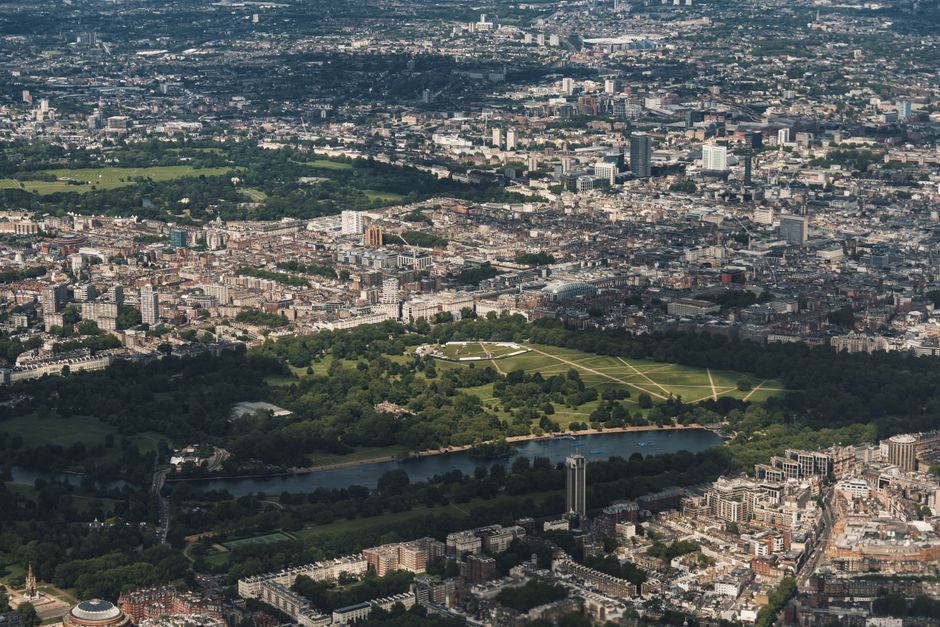
Thousands of planning applications across London boroughs are sitting in queues partly because councils cannot efficiently reconcile duplicate property images in their digital land and housing records — a technical problem with very human consequences for residents waiting on extensions, conversions, and new homes.
The issue has sharpened under the Starmer government's push to accelerate planning reform. Ministers set a target earlier this year of 1.5 million new homes nationally by 2029, and Sadiq Khan's own London Plan update demands that boroughs process applications faster. But housing officers in several boroughs say that when a property appears under two or more photographic records — often the result of aerial survey updates being layered over older imagery without deduplication — case workers must manually reconcile the files before a decision can proceed. That adds days, sometimes weeks, to each case.
What's Actually Happening Inside Borough Planning Offices
The problem is concentrated in boroughs that digitised their records at different points across the past two decades, leaving incompatible image libraries that automated systems struggle to merge cleanly. Southwark Council, which covers areas including Bermondsey, Peckham, and the rapidly developing Elephant and Castle corridor, has been running a records modernisation programme since 2024. Tower Hamlets, where the Poplar and Limehouse regeneration zones generate dense planning traffic, faces a similar challenge with aerial data collected during successive Thames waterfront surveys.
The Greater London Authority's Planning Datahub, launched to centralise borough-level records for the first time, was meant to ease exactly this kind of friction. But the datahub's image-matching function relies on coordinate metadata that older scanned records often lack, meaning duplicates slip through and pile up in case officers' inboxes. Staff at planning counters on Tooley Street in Southwark and in the Mile End Road offices of Tower Hamlets are managing the fallout day to day.
For residents, the stakes are concrete. A homeowner in New Cross applying for a rear extension waits an average of eight weeks for a decision on a householder application — a figure that rises toward twelve weeks when a file contains conflicting imagery requiring manual review, according to data published by the Planning Advisory Service in its 2025 annual report on local authority performance. Application fees rose in December 2024, with a standard householder application now costing £258, up from £206. Paying more and waiting longer is a combination that community groups in areas like Deptford and Walthamstow have begun raising formally with their ward councillors.
The Practical Fix — and How Long It Will Take
The Local Government Association has been piloting an image deduplication toolkit developed with Ordnance Survey, with six London boroughs signed up to trial it through the second half of 2026. Lambeth and Lewisham are among the participants. The toolkit cross-references property reference numbers against Ordnance Survey's MasterMap data to flag likely duplicates before they enter an active case file, rather than after. Early results from the pilot — covering roughly 4,200 records reviewed between January and April 2026 — showed a duplicate rate of around 7 percent in digitised archives, higher than councils had estimated.
Until the fix is fully rolled out, residents can take steps to protect their own applications. Including a clear, dated site photograph taken by the applicant alongside any professional survey images reduces the chance of a file being flagged for manual review. The Planning Portal, the national online submission system, updated its guidance in March 2026 to recommend applicants label every image file with the full property address and date. Neighbourhood planning officers at the Coin Street Community Builders hub on the South Bank have been running free drop-in sessions on Thursdays to help residents in Waterloo and Lambeth North navigate the submission process.
The deduplication pilot is scheduled to report full findings to the LGA in November 2026. Borough councils that adopt the toolkit are expected to see processing times fall by an estimated two to three days per affected application. For a city processing well over 60,000 planning decisions a year, that is not a trivial saving — and for the family in Lewisham waiting to start a loft conversion, it is not abstract either.