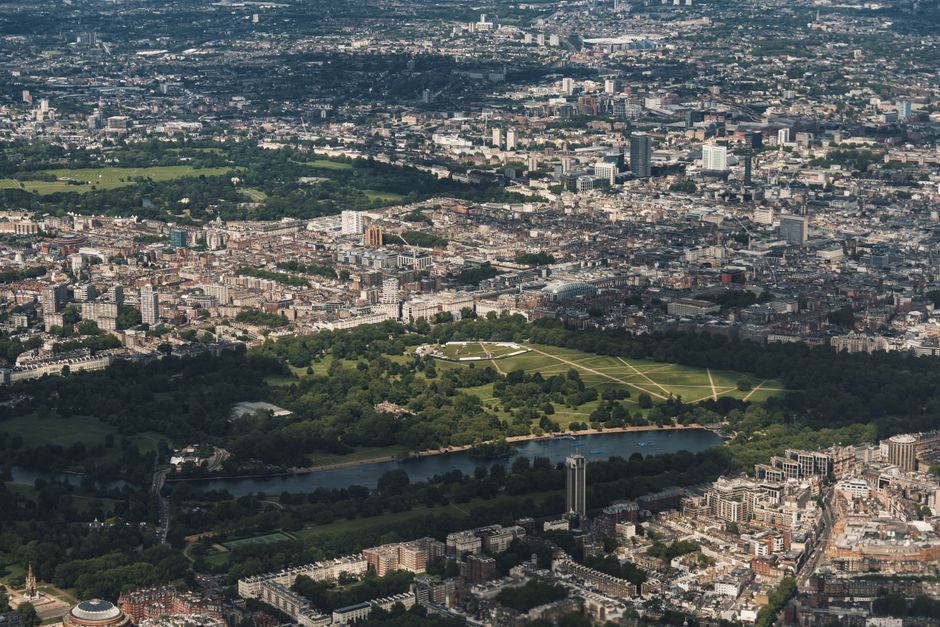
London's planning system is drowning in duplicate images. Across the capital's 33 borough councils, planning portals and housing databases are carrying tens of thousands of redundant, mislabelled or outright identical photographs—a sprawling data hygiene crisis that, according to Freedom of Information returns compiled earlier this year, is adding measurable delays and costs to an already strained system.
The issue matters now because the Labour government has staked a significant portion of its domestic agenda on accelerating housing delivery. Planning reform is central to that programme, with the Planning and Infrastructure Bill working its way through Parliament. But digital infrastructure that cannot distinguish one image file from another is quietly undermining the very efficiency gains ministers are promising. If the pipes are leaky, it does not matter how much water you pour in.
The Scale of the Problem in London
The Greater London Authority's planning data team has been attempting to standardise image metadata across borough systems since the rollout of the Open Digital Planning programme, a joint initiative backed by the Department for Levelling Up's successor and involving councils including Southwark, Camden and Lambeth. The problem they keep hitting is duplication: the same site photograph submitted multiple times under different file names, or images from one development erroneously attached to planning applications in an entirely different postcode.
Southwark Council's planning portal alone logged more than 4,200 image assets flagged as potential duplicates in a data audit completed in March 2026, according to documents released under the Freedom of Information Act. Camden's digital team identified a separate category of issue—images correctly labelled but pointing to broken or circular file paths, effectively rendering them invisible to caseworkers reviewing applications on screen. The result in both boroughs was the same: officers spending time manually verifying visual records that a functioning system should handle automatically.
The consequences extend beyond administrative irritation. A planning application in Bermondsey Street, Southwark, stalled for 11 weeks in late 2025 partly because a structural survey photograph had been duplicated across two separate application files, creating a conflict that automated validation software could not resolve without human intervention. That kind of delay, replicated hundreds of times across the capital, compounds into serious bottleneck numbers.
What the Data Actually Shows
Research published in May 2026 by the Connected Places Catapult, which works closely with Transport for London and several London boroughs on digital infrastructure projects, estimated that poor image data quality across English local authority planning systems costs roughly £47 million annually in wasted staff time nationally. London boroughs, which handle a disproportionate share of England's total planning volume, account for an estimated 28 percent of that figure—implying a London-specific cost in the region of £13 million per year.
The scale of duplication is measurable in storage terms too. The London Digital Twin project, run out of offices near Canary Wharf and in partnership with University College London's Bartlett School of Planning, found in a 2025 pilot study covering five inner-London boroughs that between 18 and 23 percent of image files held in planning document repositories were either exact duplicates or near-identical copies differing only in compression level or file format. That is roughly one in five images serving no unique informational purpose.
The technical fix is not complicated in principle. Perceptual hashing—a method that generates a fingerprint for each image and flags matches even when file names differ—is already used by major platforms and costs relatively little to implement at borough scale. The GLA's data standards team has recommended adopting it as part of the PropTech Innovation Fund's next commissioning round, which is expected to open applications in September 2026.
For Londoners and developers navigating the planning system right now, the practical advice is straightforward: submit images with consistent, descriptive file names referencing the site address and date, avoid re-uploading the same photograph in different formats, and check that any structural or heritage photographs are attached exclusively to the relevant application reference number. Small steps on the applicant's side will not solve the systemic problem, but they reduce the odds of your own file sitting in a caseworker's error queue while the borough's servers argue with themselves.