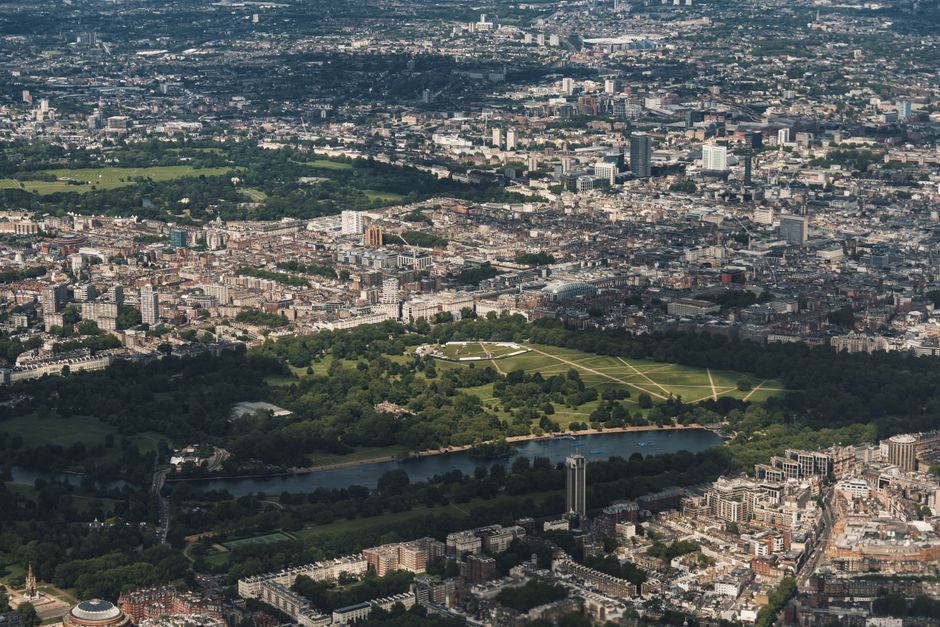
A growing procedural headache is working its way through London's planning system. Duplicate images submitted in planning applications — where identical or near-identical visual documents are used across multiple, distinct development proposals — have been quietly flagging errors in borough-level review processes, raising questions about how thoroughly applications are actually scrutinised before approval.
The issue matters now because of timing. The Labour government's Planning and Infrastructure Bill, currently making its way through Parliament, proposes to streamline decision-making and reduce council discretion on approvals. Critics argue that rushing through reform without fixing existing quality-control gaps will simply embed current weaknesses into a faster, harder-to-challenge process. For London, where Mayor Sadiq Khan's London Plan already sets ambitious housing targets, the stakes are particularly high.
Where the Problem Surfaces
The failures tend to cluster around the same pressure points. The London Borough of Southwark, which covers areas including Bermondsey and Elephant and Castle — both under intense redevelopment pressure — has seen a volume of major applications running through its planning portal that stretched officer capacity significantly over the past two years. Tower Hamlets, handling sites along the Blackwall Reach regeneration corridor, faces a similar bottleneck. In both boroughs, planning officers are processing hundreds of applications simultaneously, and the manual checks that would catch a duplicated elevation drawing or a recycled site photograph are the first thing to slip when caseloads spike.
The Greater London Authority's Planning Decisions unit has a formal role in calling in applications above certain thresholds — typically those involving more than 150 homes or tall buildings over 30 metres. But the GLA does not routinely audit image-level document quality for the thousands of smaller applications handled entirely at borough level. That gap is where duplicate images tend to go undetected.
Historic England, which advises on heritage impact across designated areas including the Tower of London World Heritage Site buffer zone and the Wren churches of the City, has noted document-quality concerns in its formal consultation responses on individual schemes, though the organisation does not publish aggregate data on how frequently it flags such issues.
The Decisions That Now Have to Be Made
Three decisions are coming to a head in the next six months. First, the Planning Inspectorate — which handles appeals when applicants challenge council refusals — is expected to clarify by the end of 2026 whether duplicate imagery in a submitted application constitutes a material error capable of invalidating a permission already granted. That ruling, if it comes, would have significant knock-on effects for developers who have already broken ground on sites across east London.
Second, the Department for Housing, Communities and Local Government is consulting on a standardised digital submission format for planning documents. The consultation closes in September 2026. If the format mandates unique document identifiers for every image file, that would make duplicate submissions detectable automatically rather than depending on an officer noticing a familiar photograph. Industry body the Planning Officers Society has been active in those discussions, pushing for requirements that are technically achievable within existing council IT budgets.
Third, at the borough level, councils including Lambeth and Islington are reviewing their validation checklists — the pre-acceptance criteria that determine whether an application is complete enough to begin formal review. Strengthening validation to flag duplicate images before the clock starts on the statutory eight-week determination period would push the responsibility back onto applicants, where planning lawyers argue it belongs.
For developers, the practical advice from planning consultants currently active in the Nine Elms opportunity area and along the Old Kent Road regeneration zone is consistent: audit your submitted documents before any determination date, and proactively replace any duplicate imagery with corrected versions through the formal amendment process under the Town and Country Planning Act 1990. Waiting for an officer to raise it costs time that, in a rising-cost environment, most schemes cannot afford.
The broader question — whether London's planning infrastructure can keep pace with the volume of applications the government's housing targets will require — is one borough leaders and the GLA will have to answer before the Planning and Infrastructure Bill receives Royal Assent, which government officials have indicated could come before the end of this parliamentary session.