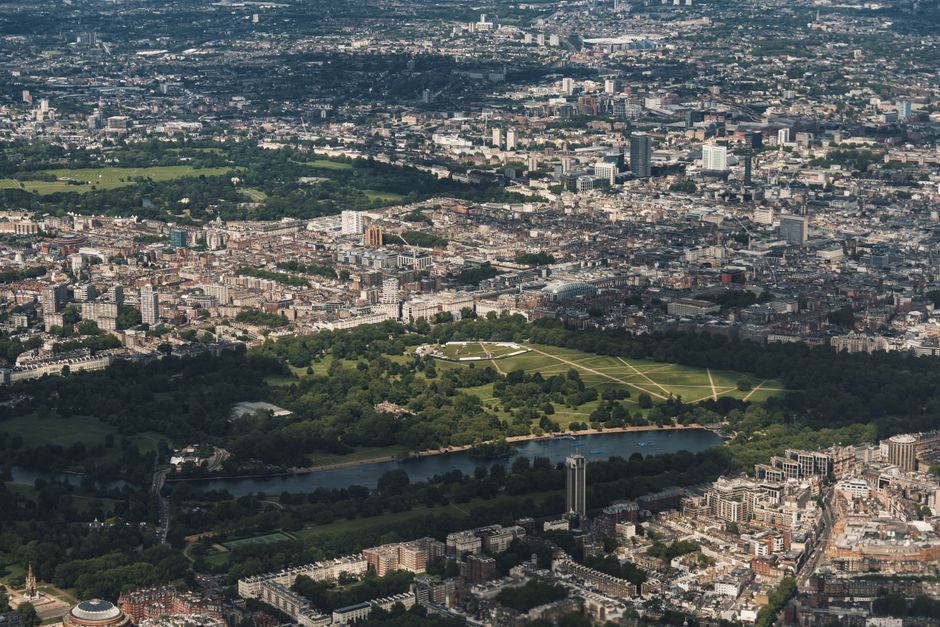
Planning departments across at least six London boroughs are grappling with a surge in development applications flagged for containing duplicate, recycled or mismatched site photographs — a problem that is quietly clogging decision queues at a moment when the Starmer government is pushing hard to accelerate housebuilding. Southwark, Tower Hamlets and Hackney councils have each issued guidance to applicants in the past three months warning that repeated image errors are triggering formal validation failures, which reset statutory processing timelines.
The issue has a specific technical name among planning officers: duplicate image replacement, or DIY-filing, a shorthand for submissions where developers or their agents swap in photographs from previous planning rounds — sometimes from entirely different sites — rather than commission fresh survey images. The practice is not illegal, but it violates the validation checklists published under the National Planning Policy Framework, and local authorities have the power to invalidate a submission outright.
Why This Matters Right Now
The timing is awkward for ministers. The Planning and Infrastructure Bill, currently passing through Parliament, sets ambitious targets for local authorities to determine major applications within 26 weeks. But if an application is invalidated on receipt and the clock does not start until a corrected version is resubmitted, those statutory targets are effectively gamed before they begin. Officers at the Greater London Authority's planning directorate have circulated internal guidance — referenced in a July 2026 briefing document posted to the GLA's public planning pages — urging boroughs to log the original submission date for transparency purposes even when validation fails.
The GLA's London Plan Implementation Team, based at City Hall on the South Bank, has been in contact with the Planning Officers Society about whether national validation requirements need tightening. The society's working group on digital submissions met in June at Southwark's offices on Tooley Street. No binding changes have yet been agreed.
Chartered surveyors and planning consultants working in Central London say the problem is partly a product of cost-cutting. Commissioning a full photographic survey of a site in, say, Bermondsey or Stratford can cost between £800 and £2,500 depending on scale and access complexity. When margins are tight, some applicants take the risk of reusing images from earlier feasibility rounds.
What Experts and Key Figures Are Saying
The Royal Town Planning Institute flagged the validation problem in its Spring 2026 newsletter, describing duplicate imagery as one of the top five reasons for application invalidity in London boroughs during the first quarter of the year. The RTPI stopped short of publishing borough-by-borough data, citing inconsistency in how councils record rejection reasons. Separate figures compiled by Lichfields, the planning consultancy, suggest that in London as a whole, roughly one in eight major applications required at least one resubmission in 2025, with image and drawing errors accounting for a significant share.
Tower Hamlets published a validation requirements update in May 2026 that explicitly listed duplicate site photography as grounds for rejection, naming specific paragraphs of its local validation checklist. The borough, which has some of the highest application volumes in London due to ongoing development around Whitechapel and Poplar, said the change was prompted by a marked increase in complaints from third-party objectors who had noticed that site photos did not match the addresses listed.
Hackney's planning team has gone further, piloting a pre-validation screening tool developed with a tech firm based in Old Street that cross-references image metadata against address records before an application enters the formal queue. The pilot, which started in March 2026, is being watched closely by neighbouring boroughs.
For developers and their agents, the practical upshot is straightforward: photographs must carry accurate EXIF metadata showing the date and GPS coordinates of the shoot, and any image taken more than six months before the submission date is likely to prompt a validation query. Applicants dealing with Southwark, Tower Hamlets or Hackney in particular should request a pre-application meeting — fees range from £200 to £600 depending on the scale of the proposal — to confirm exactly what photographic evidence is required before lodging the full application. Resubmission costs time, and in the current policy environment, time is the one thing neither developers nor planners can afford to waste.