For years, Walthamstow occupied an awkward middle ground in London's property hierarchy—too far for Central commuters, too underdeveloped for serious investors. That calculation has shifted dramatically. With average property prices hovering around £475,000 and the Elizabeth Line's Elizabeth station just one stop to Stratford, the neighbourhood is experiencing the kind of structural uplift that typically precedes sustained capital growth.
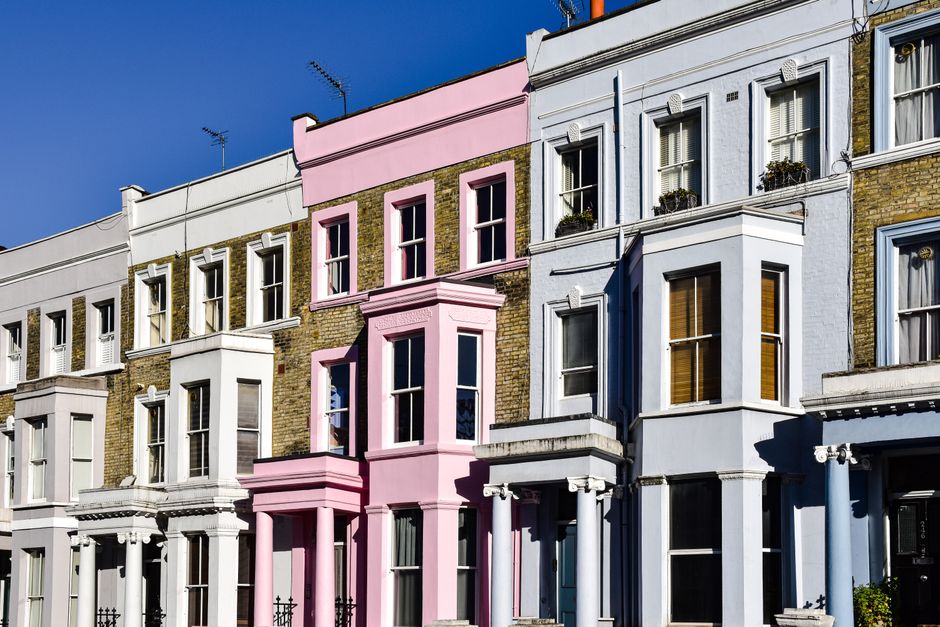
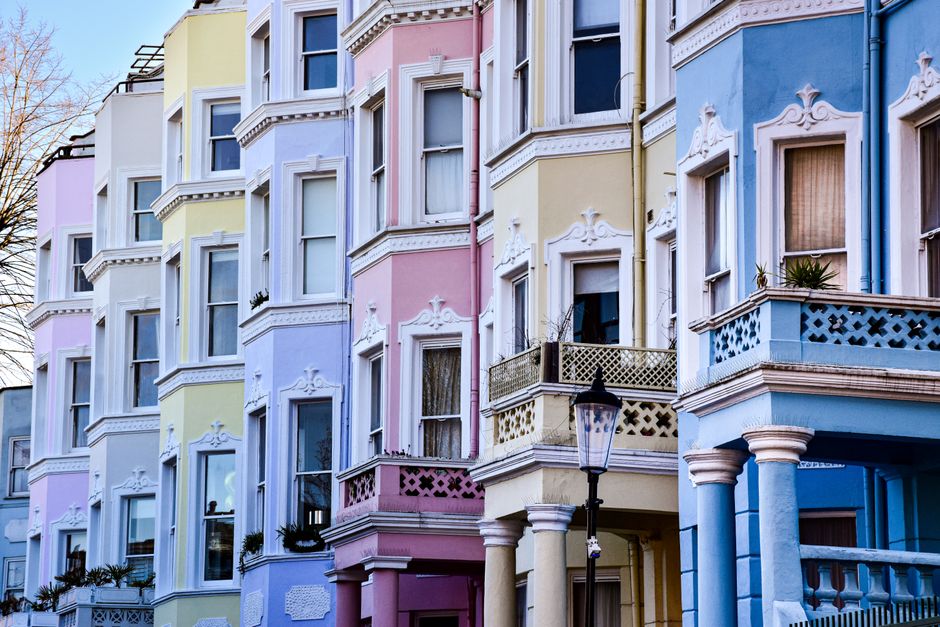
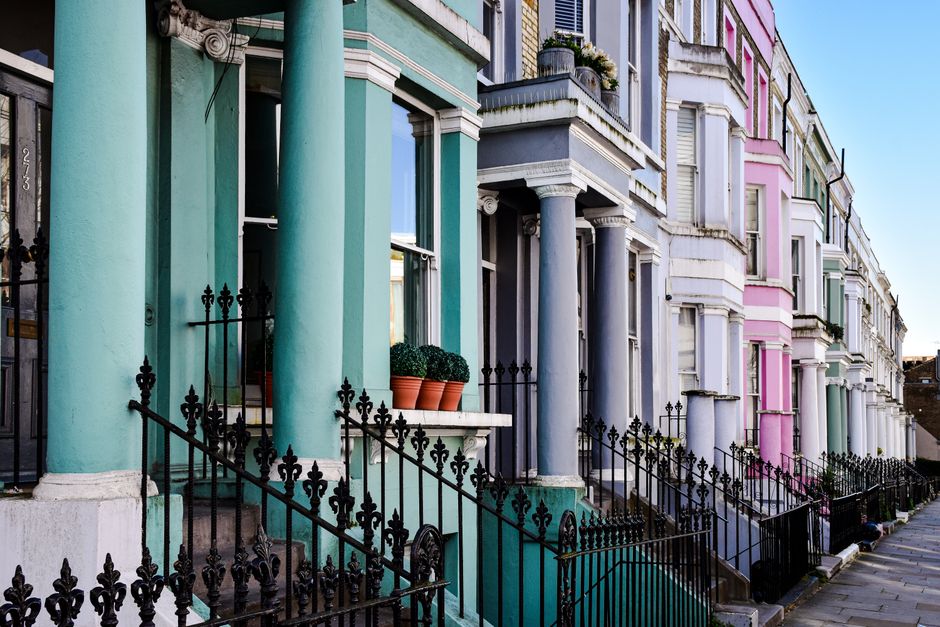
The catalyst isn't nostalgia; it's infrastructure and demographics. Young professionals priced out of Hackney and Islington are discovering that a Victorian terraced home on Forest Road or Grove Street now offers genuine space, outdoor amenity and sub-30-minute access to the City—at a fraction of Zone 2 equivalents. Meanwhile, London's buy-to-let market, reinvigorated following stamp duty reforms, has identified Walthamstow's strong rental yields (typically 4-5%) and high tenant demand as compelling. Estate agents report that purchases by portfolio investors have doubled year-on-year.
The neighbourhood's cultural infrastructure amplifies its appeal. The restored Waltham Forest Town Hall, paired with the nearby Walthamstow Library's recent £12m renovation, signals local authority investment. Independent venues like the Vada Salon, craft breweries along Forest Road, and a thriving Saturday morning market at St James Street have created the exact texture that younger Londoners now prioritise. Property developers have noticed: major schemes around Walthamstow Central are adding 1,200+ new homes over the next five years.
But Walthamstow isn't uniformly cheap. Streets within walking distance of Walthamstow Village—the conservation area anchored by St Mary the Virgin church—command premium prices. A three-bed semi here trades at £550,000-plus. Conversely, properties near the Blackhorse Lane corridor remain accessible entry points for first-time buyers, with two-bedroom flats moving at £350,000-£400,000.
The risk is familiar: gentrification can alienate existing communities and inflate prices beyond sustainable levels. Local organisations like the Walthamstow Development Trust are advocating for affordable housing integration in new schemes, though pressure remains intense.
For investors with a three-to-five-year horizon, however, Walthamstow represents a rare sweet spot: genuine transport connectivity, established community infrastructure, demographic tailwinds and room for appreciation before it becomes the next Hackney. The Elizabeth Line hasn't even started full service yet. When it does, those who moved early will be positioned very favourably indeed.
This article was compiled by AI from the sources linked above and screened before publishing. See our editorial standards.