Walthamstow emerges as London's next investment hotspot as major developments reshape the skyline
Planning approvals and retail transformation along the Central Line corridor are attracting developers and buy-to-let investors to East London's most ambitious decade in decades.
This article was generated by AI from the linked public sources. The Daily London is independently owned and covers London news free from advertiser or sponsor influence. Read our editorial standards →
Walthamstow is experiencing a property renaissance that has caught the attention of institutional investors and savvy buy-to-let buyers alike. With over £1.2bn in development pipeline approvals granted since 2024, the E17 postcode has shifted from overlooked to unavoidable—a transformation accelerated by planning permissions for mixed-use schemes that would have seemed unlikely five years ago.
The catalyst is straightforward: infrastructure and accessibility. The Elizabeth Line's downstream effect has rippled outward, and Walthamstow's position on the Central Line—just 21 minutes to Liverpool Street—combined with direct Overground links to Barking and beyond, has made it magnetic for developers seeking London locations where land and planning consent remain achievable. Average property prices hover around £420k for a three-bedroom semi, still £80k below the London average, yet appreciation has outpaced many Zone 2 neighbours.
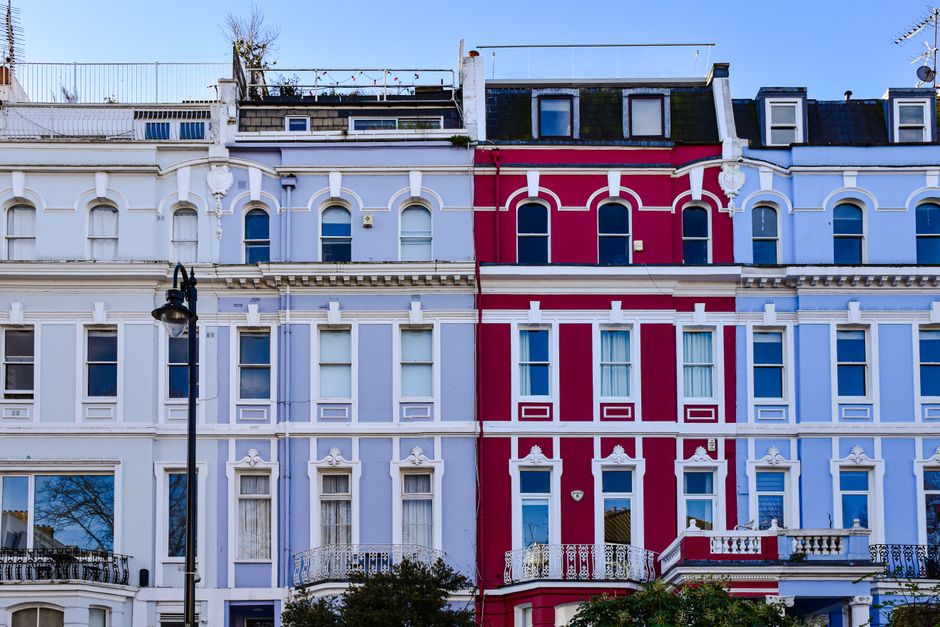
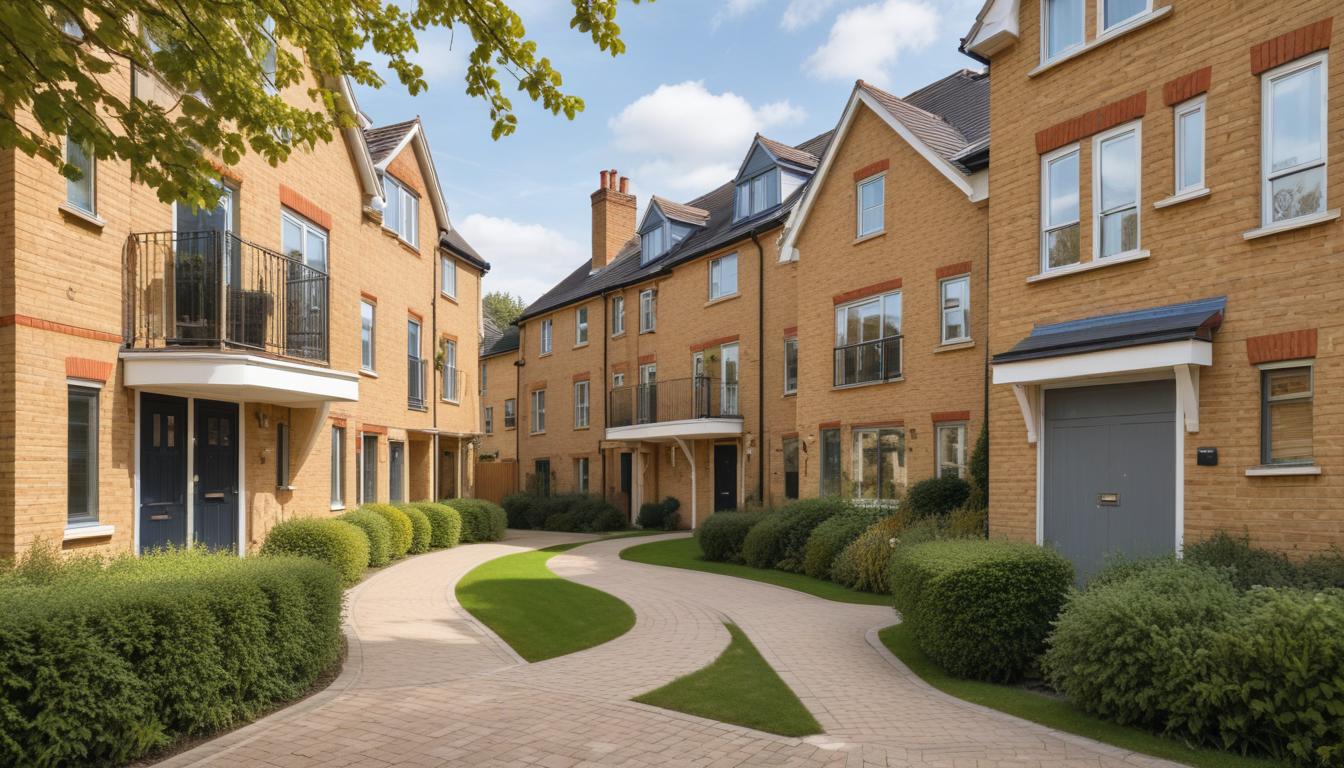
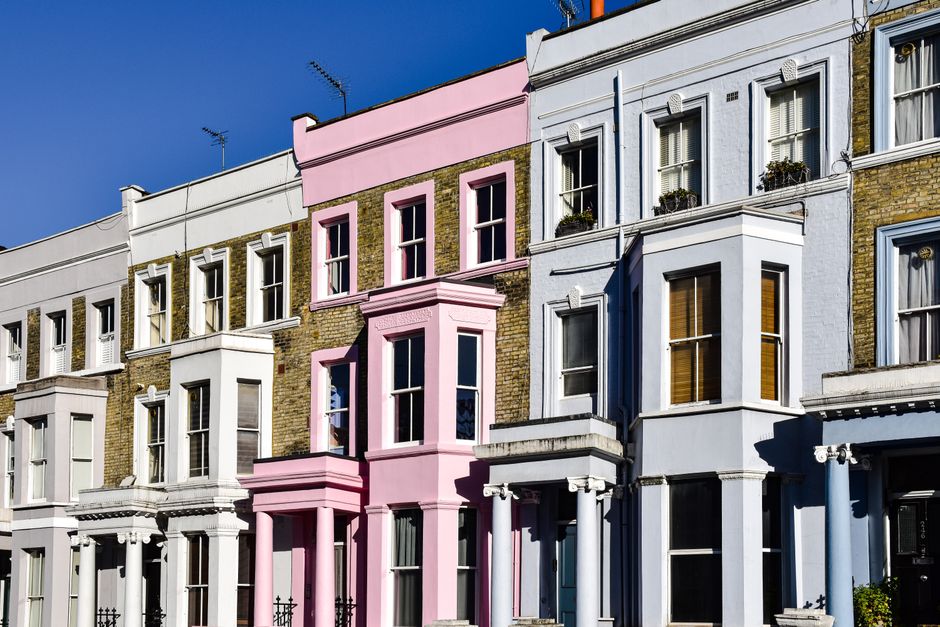
Recent approvals tell the story. The Goods Yard development near Walthamstow Central station received consent for 450 new homes across mixed-tenure schemes, anchored by workspace and ground-floor retail targeting independent traders displaced from Hackney. Simultaneously, the former Wickes site on Forest Road cleared planning for 200 apartments and a gastropub-style food hall—reflecting Walthamstow's shift toward hospitality-led regeneration. Even the quieter residential streets around Walthamstow Village—Conservation Area terraces and Victorian conversions—are seeing off-market transactions at 8–12% year-on-year growth.
Buy-to-let investors have responded energetically. Rental yields in Walthamstow now sit at 5.2%, compared to 3.9% across inner London, and demand from young professionals priced out of Hackney and Islington has driven void periods down to 18 days. Landlords with portfolios focused on one-bed and studio conversions—particularly those bridging new-build apartments and period stock—report strong tenant retention.
Not every observer sees roses. Campaign groups including the Waltham Forest Planning Alliance have raised concerns about conservation district erosion and the pace of change outstripping community services—GP practices and schools are under strain. Transport for London has acknowledged crowding on peak Central Line services. Yet planning officers at Waltham Forest Council note that 40% of approved units are designated affordable or intermediate tenure, a higher proportion than comparable East London boroughs.
For property investors, Walthamstow's window remains open. Land values have risen sharply but remain below comparable postcodes; development velocity will accelerate as 2027 approaches; and the neighbourhood's identity—increasingly that of a creative, diverse community—continues attracting younger demographics. Whether it sustains the momentum of Stratford or follows a steadier arc remains to be seen. What is certain: developers' eyes are fixed eastward.
This article was compiled by AI from the sources linked above and screened before publishing. See our editorial standards.
Covering property in London. This article was generated by AI from the linked sources and was not reviewed by a human editor before publishing. See our editorial standards.