London's luxury property landscape is experiencing a seismic shift. Beyond the traditional strongholds of Belgravia and Kensington, a wave of landmark developments is repositioning entire areas as destinations for ultra-high-net-worth buyers, each project carrying profound implications for its surrounding neighbourhood.
The South Bank's continued evolution exemplifies this trend. New residential towers along the Thames are commanding £3.5m+ for penthouses, drawing international capital and raising land values across nearby Elephant and Castle and Southwark. These projects aren't isolated prestige plays—they're catalysts. Infrastructure follows: restaurants, galleries, private clubs, and heritage venues benefit from gravitational pull, transforming how locals and visitors experience these areas.
Similarly, the Elizabeth Line corridor has unlocked dormant potential. Developments in Canary Wharf and emerging schemes around Paddington are attracting hedge fund managers and tech entrepreneurs previously anchored to Mayfair. Average prices across these transit-adjacent luxury developments sit £2.8m–£4.2m, representing a 23% uplift since 2024, according to Knight Frank data. The accessibility factor matters: twenty-minute connections to Heathrow and the City change purchasing calculus fundamentally.
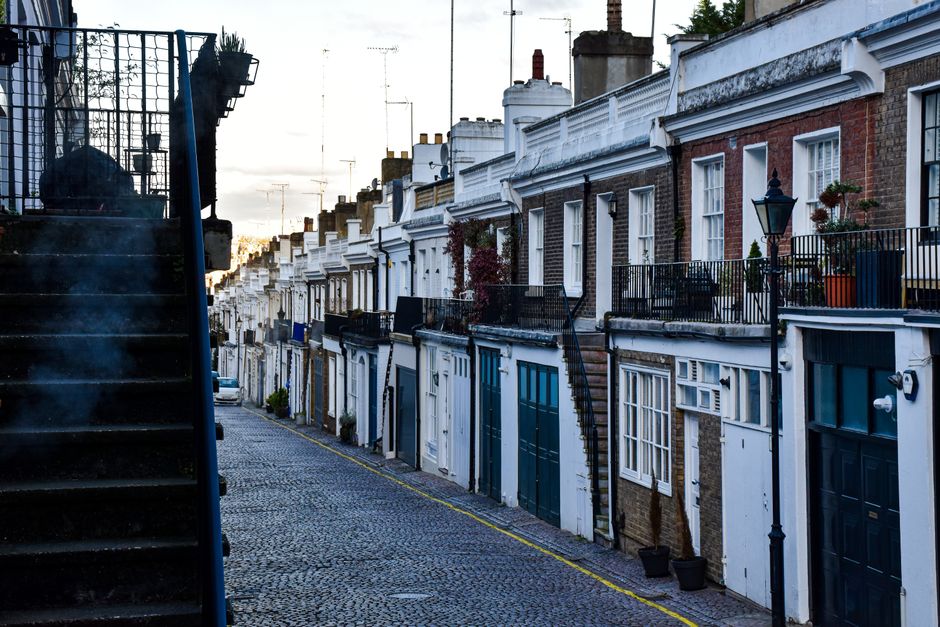
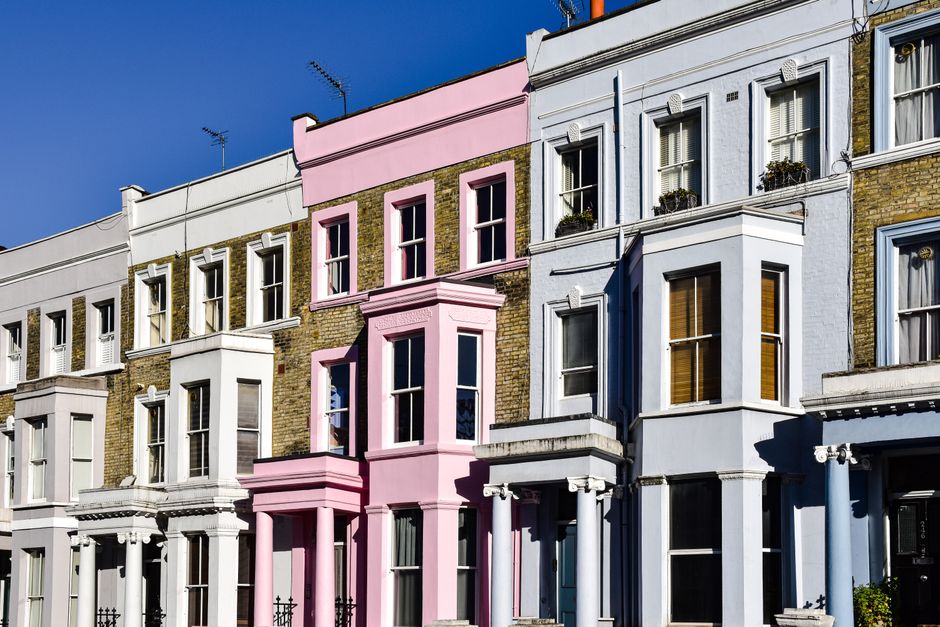
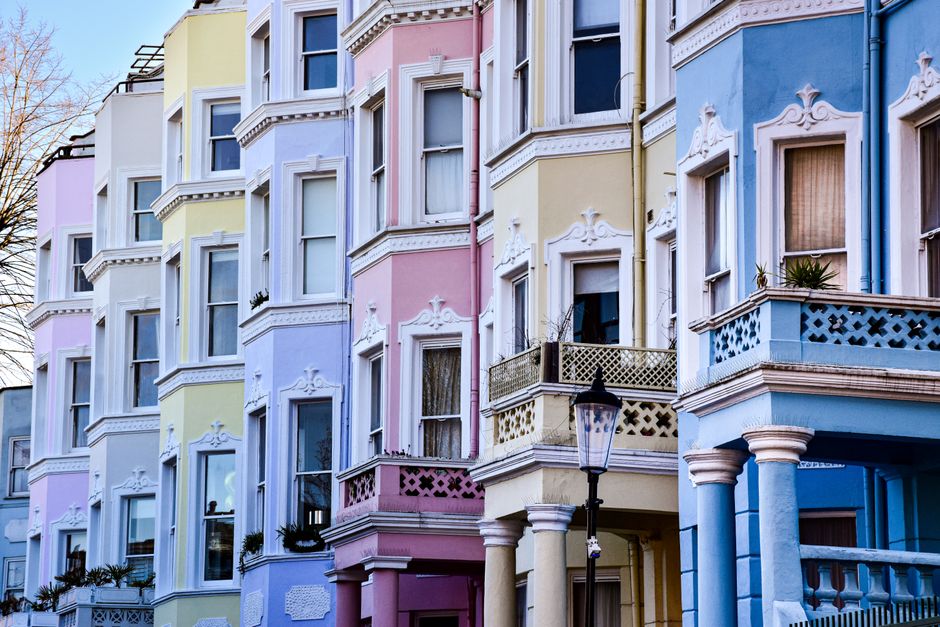
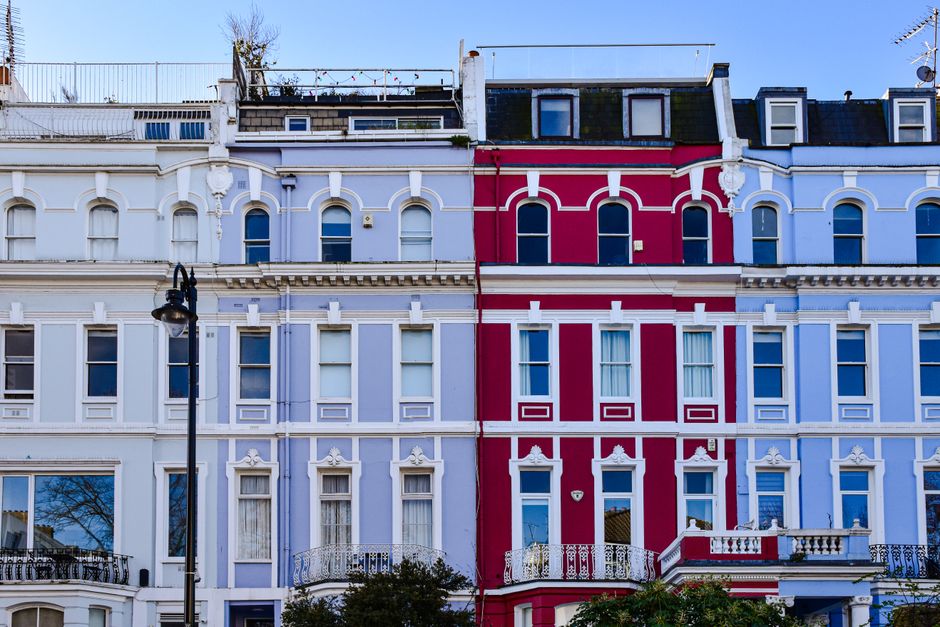
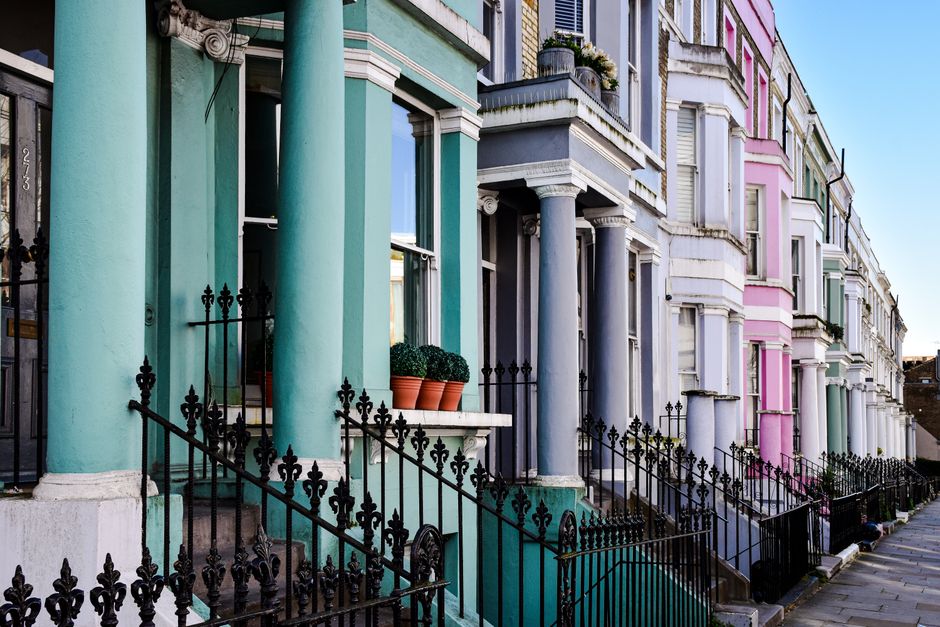
But new luxury development carries neighbourhood consequences. Chelsea and Fulham, long dominated by Victorian townhouses, now compete with sleek, architecture-prize-winning new builds. Conservation societies have voiced concerns; local character—narrow streets, independent retailers, village atmosphere—risks dilution. Yet developers argue infrastructure investment offsets this: improved public spaces, restored Victorian buildings repurposed as cultural venues, and commercial ground floors activating streets.
The buy-to-let resurgence post-stamp duty reform has intensified competition for prime development land. Institutional investors are bidding aggressively on Marylebone and Fitzrovia schemes, treating luxury apartments as yield-generating assets rather than primary residences. This shift reshapes neighbourhood demographics and community stability—concerns echoed by local Westminster councillors.
What becomes clear is that luxury development in 2026 London isn't simply about supplying expensive homes. Each project becomes a planning negotiation between profit and place-making, between international investment and local identity. Developments in Hackney, Bethnal Green, and Shoreditch demonstrate how carefully curated schemes—respecting heritage, investing in public realm, engaging communities—can enhance rather than exploit their neighbourhoods.
For buyers considering the premium market, the question has evolved: it's no longer merely about location or price, but about what kind of London neighbourhood you're investing into—and what new development means for its future.
This article was compiled by AI from the sources linked above and screened before publishing. See our editorial standards.