What London's luxury auction floors are signalling about the super-prime market
Recent results from Christie's, Sotheby's and specialist houses reveal sharp divergence in ultra-high-net-worth behaviour—and where serious money is actually flowing.
This article was generated by AI from the linked public sources. The Daily London is independently owned and covers London news free from advertiser or sponsor influence. Read our editorial standards →
The London luxury property market is sending mixed signals, and the auction room is where those signals are loudest. Over the past eighteen months, results from Christie's International Real Estate and Sotheby's have painted a picture of a super-prime sector adjusting to new realities: fewer record-breakers, but deeper pockets for the right assets in the right postcodes.
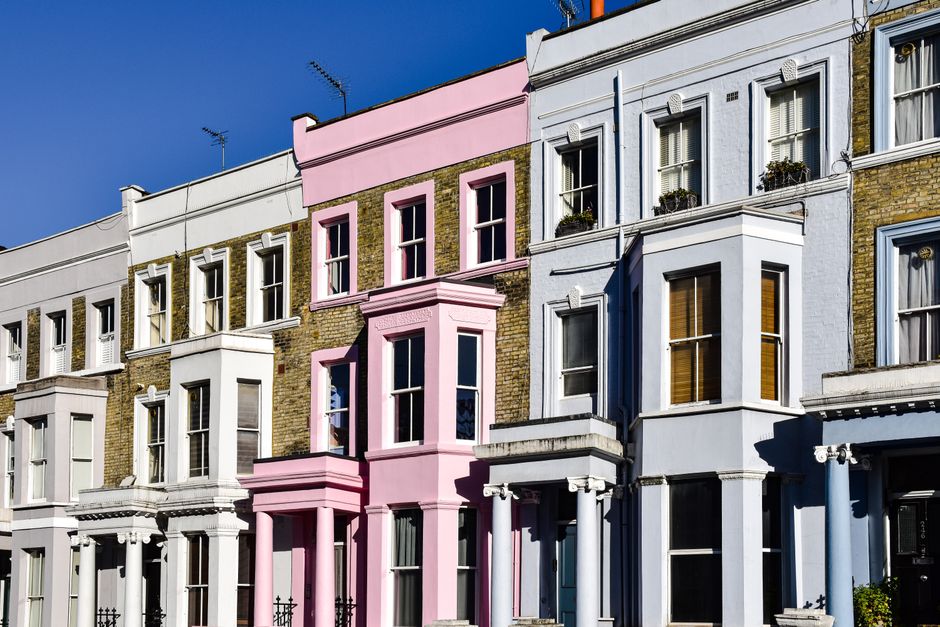
West London's traditional strongholds—Belgravia, Knightsbridge, South Kensington—continue to dominate by volume and price per square metre. Recent auction activity shows penthouses and lateral conversions in these neighbourhoods fetching £15,000 to £22,000 per square metre when they clear, a 4–6 per cent uplift from 2024 levels. Yet the pass-through rate (lots failing to sell) has hovered around 22–25 per cent, up from the historical 15–18 per cent benchmark. The message: buyers remain discerning. Generic luxury no longer shifts reliably.
What is shifting is the geographic profile of buyer interest. Mayfair and Fitzrovia—traditionally wealthy but increasingly seen as densifying with development—are losing relative appeal. Conversely, pockets north of the Elizabeth Line corridor, particularly around Farringdon and King's Cross, are attracting institutional and owner-occupier interest at the £3–6 million tier, where supply constraints are tightest. Specialist houses report 18–month sell-through times collapsing to 4–6 months for well-positioned new-build penthouses in these zones, a sharp contrast to the broader market's 9–12 month norms.
Price variance by condition tells another story. Fully refurbished properties with contemporary provenance and smart-home integration are commanding 8–12 per cent premiums over comparable period stock, a widening gap that reflects both buyer preference and growing recognition that older homes in premium addresses require substantial capital expenditure. Auctions at Bonhams' Knightsbridge salerooms and Christie's South Kensington location confirm this trend: original features alone no longer justify asking prices without substantive investment.
International buyers—traditionally 35–40 per cent of super-prime transactions—appear more selective post-regulation. Stamp duty reforms have undoubtedly returned some buy-to-let activity to the £2–4 million range, but ultra-high-net-worth purchasers are concentrating on lifestyle factors: proximity to green space, private access, and planning permission clarity. Chelsea Embankment and The Little Boltons continue to trade at £20,000+ per square metre, but scatter-plot pricing suggests growing volatility.
The auction results are clear: 2026 is not a seller's market for speculative luxury. It is a market for curated assets with strong fundamentals. Those properties are selling. Everything else is waiting.
This article was compiled by AI from the sources linked above and screened before publishing. See our editorial standards.
Covering property in London. This article was generated by AI from the linked sources and was not reviewed by a human editor before publishing. See our editorial standards.