Prestige Postcodes Transform: How New Luxury Developments Are Reshaping London's Elite Neighbourhoods
From Fitzrovia to Battersea, multimillion-pound residential projects are redefining what ultra-premium living means in the capital—and reshaping entire districts in the process.
This article was generated by AI from the linked public sources. The Daily London is independently owned and covers London news free from advertiser or sponsor influence. Read our editorial standards →
London's luxury property market has entered a new era of architectural ambition. Where once prestige meant acquiring a listed Georgian townhouse in Mayfair or a riverside penthouse in Knightsbridge, today's ultra-high-net-worth buyers are increasingly drawn to transformative new-build developments that promise bespoke design, cutting-edge sustainability, and carefully curated community experiences.
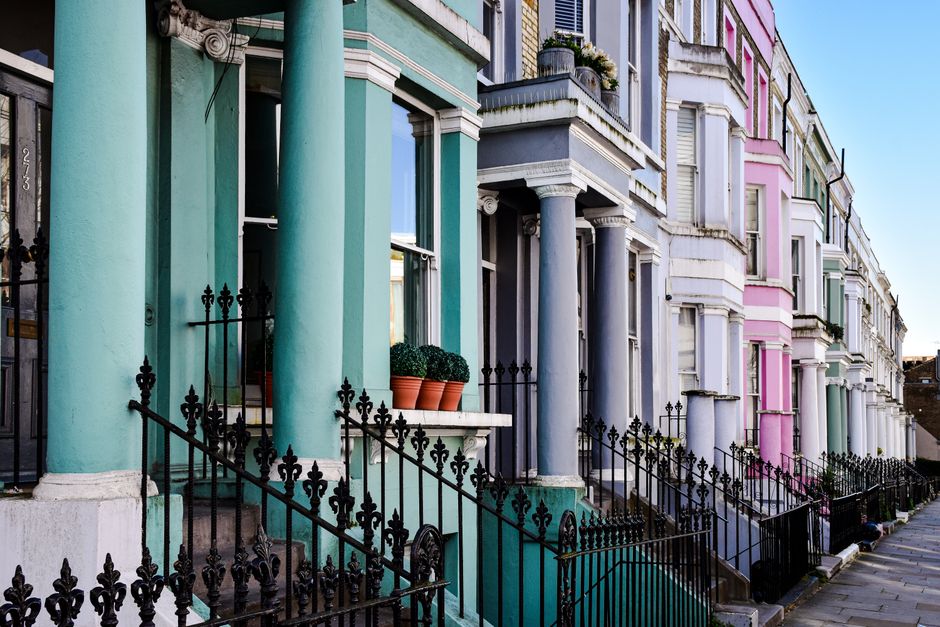
The momentum is unmistakable across prime postcodes. In Fitzrovia, where Georgian terraces have long commanded £3m–£8m price tags, a wave of new residential conversions in former office buildings is attracting global capital seeking contemporary alternatives to traditional period homes. Meanwhile, Battersea's ongoing regeneration—anchored by the Power Station development and complemented by luxury residential schemes along the riverside—has elevated average values to £1.2m and above for quality new-build apartments, fundamentally altering the area's demographics and retail landscape.
The Maida Vale and Little Venice corridor demonstrates how premium new developments function as neighbourhood catalysts. Recent high-spec apartment launches have sparked investment in boutique hospitality, Michelin-adjacent dining, and independent retail, transforming these villages-within-the-city into lifestyle destinations rather than mere residential zones. Prices for new-build penthouses now rival Notting Hill equivalents—some exceeding £6m—signalling a genuine shift in where London's elite choose to live.
What's driving this phenomenon? Several factors converge. Stamp duty reform has rekindled buy-to-let investment among institutional and private players. Elizabeth Line connectivity has elevated Zones 4–6 beyond traditional commuter perception, with developers launching prestige schemes in areas like Woolwich and Canary Wharf that would have seemed unlikely premium destinations five years ago. Simultaneously, sustainability certification and wellness amenities—private gyms, spa facilities, air-filtration systems—have become non-negotiable selling points for developments targeting £2m-plus units.
The implications for established neighbourhoods are profound. Historic areas like Bloomsbury and South Kensington now compete with purpose-built new communities offering 21st-century infrastructure their Victorian and Edwardian housing stock cannot match. This has prompted conservation-conscious developments that respect architectural heritage whilst introducing modern comforts—a delicate balance that sophisticated developers are increasingly mastering.
For buyers, the choice between period authenticity and contemporary convenience has never been more nuanced. For London itself, these projects represent a recalibration of what luxury means: not merely exclusivity through scarcity, but aspiration through innovation.
This article was compiled by AI from the sources linked above and screened before publishing. See our editorial standards.
Covering property in London. This article was generated by AI from the linked sources and was not reviewed by a human editor before publishing. See our editorial standards.