Property
What London's auction rooms and price data are really telling us about the market
Latest sales figures from Battersea to Bethnal Green reveal a market in flux—and clues about where buyers are actually moving their money.
2 min read
Property
Latest sales figures from Battersea to Bethnal Green reveal a market in flux—and clues about where buyers are actually moving their money.
2 min read
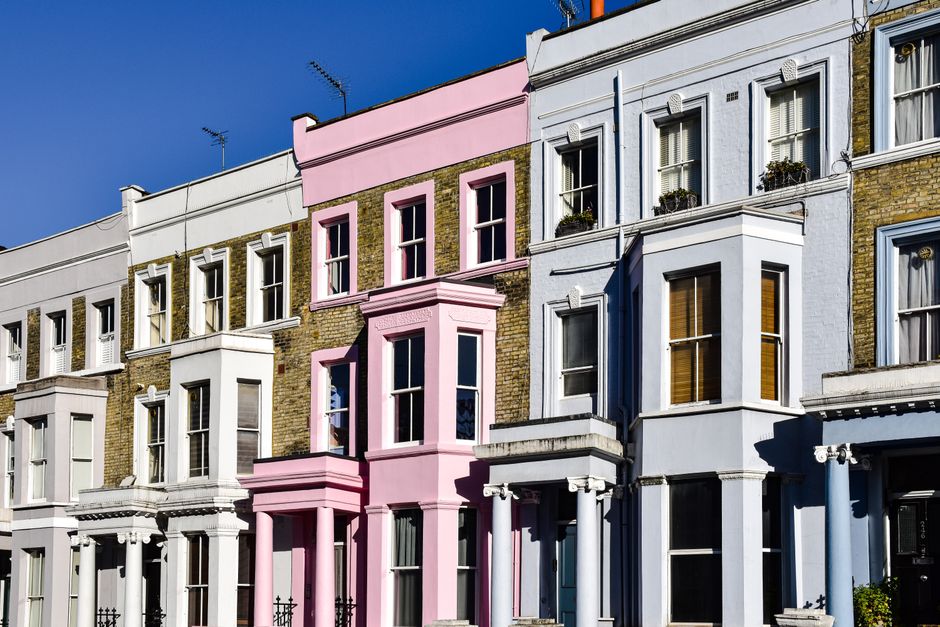
London's property market is sending mixed signals, and it's in the auction results and price data that the true picture emerges. While headlines trumpet recovery, the granular numbers tell a more complex story about where confidence—and cash—are actually flowing across the capital.
Last month's Savills Auctions results from their King Street saleroom painted a revealing picture. Properties in prime central London, particularly around Knightsbridge and Mayfair, achieved 94% of their guide prices. That's healthy, but not buoyant. Meanwhile, outer London lots—Zones 4 and 5 locations in places like Dulwich and Wimbledon—consistently exceeded estimates by 8-12%. The data whispers what many agents won't: prime London is stabilising, but growth is happening further out.
Across Greater London, the average house price hovers around £500,000, yet this masks stark neighbourhood variations. In Battersea, riverside apartments have plateaued around £625,000 for two-bedroom units—a stark contrast to 2024's trajectory. Conversely, along the Elizabeth Line corridor, properties in Woolwich and Abbey Wood are appreciating steadily, with first-time buyers sensing value. Estate agents report these areas registering 6-9% year-on-year growth.
The return of buy-to-let investment is reshaping where money moves. Since stamp duty reforms eased the burden on multiple property purchases, portfolios are being built in Zones 5 and 6. Lettings data from Rightmove shows rental yields in Croydon and Sutton now exceed central London by nearly 2 percentage points—a significant divergence that's driving capital allocation.
Crucially, auction clearance rates reveal buyer psychology. When properties fail to sell under the hammer, it's usually in the £750k-£1.2m bracket—precisely where second-home buyers and international investors once dominated. This segment has contracted noticeably since 2024. Instead, activity clusters around £300-500k and £2m-plus, suggesting a polarisation between first-time buyers and ultra-high-net-worth purchasers, with the traditional middle squeezed tighter.
Data from the Land Registry and Knight Frank's recent market report suggest London isn't experiencing a crisis—it's experiencing a recalibration. Affordability for first-time buyers remains constrained, yet selective pockets along transport corridors and in emerging neighbourhoods offer genuine optionality. The auction rooms and price registries are signalling that smart money is following value further from the centre, while prime London settles into a steadier, less volatile rhythm.
For buyers watching from the sidelines, the message is clear: patience and geography now matter more than timing.
This article was compiled by AI from the sources linked above and screened before publishing. See our editorial standards.
Property

Property
Property
Property
About this article
Published by The Daily London
Spread the word
Daily brief
Free, in your inbox before 7am. Weekdays.
The Daily Network — independent news worldwide