Property
The Numbers Game: Where London Landlords Are Actually Banking Returns
As buy-to-let bounces back post-stamp duty reform, investor yields across the capital are diverging sharply—and smart money is backing unexpected winners.
3 min read
Property
As buy-to-let bounces back post-stamp duty reform, investor yields across the capital are diverging sharply—and smart money is backing unexpected winners.
3 min read
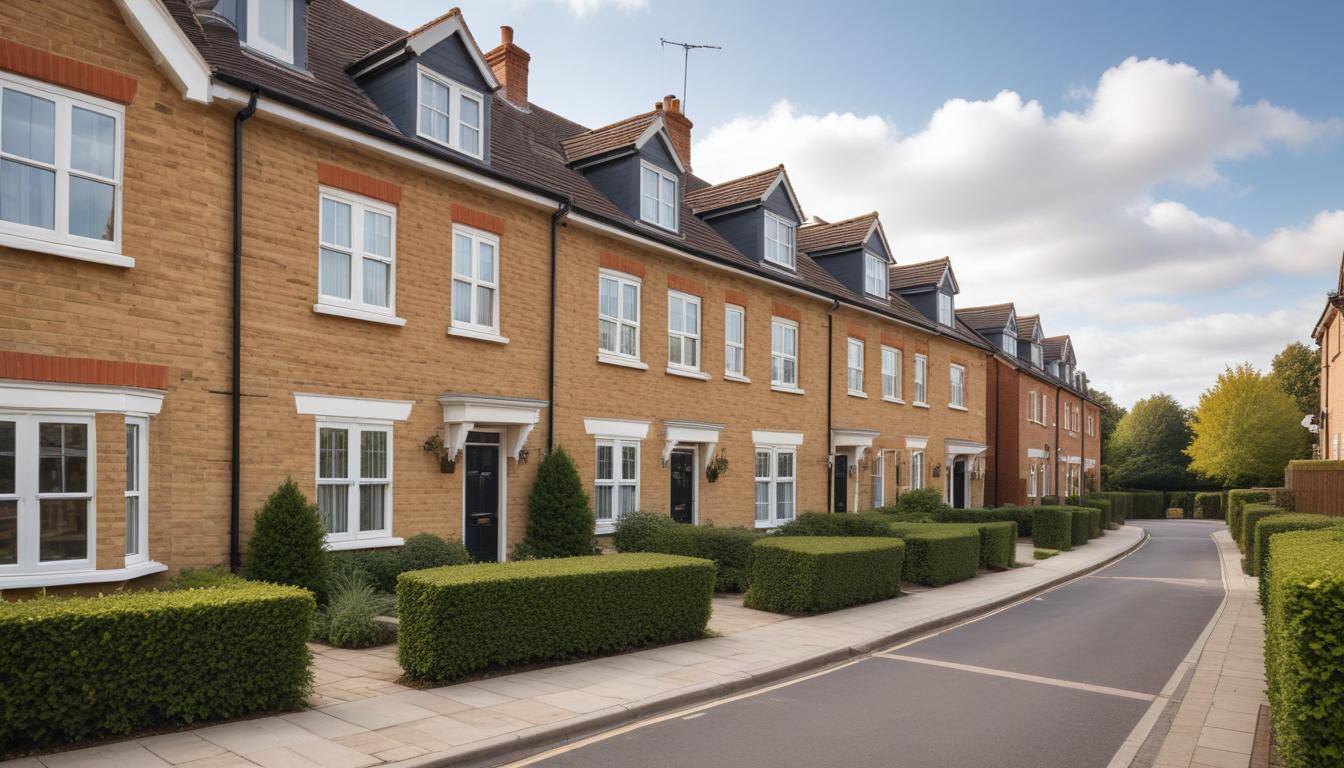
The Elizabeth Line's opening has redrawn London's investment map. But while commuter corridors grab headlines, data from the past 18 months reveals a more nuanced picture: yields are clustering in overlooked pockets where capital appreciation meets steady rental demand.
Take Walthamstow. Once dismissed as Zone 3 overflow, the neighbourhood is now pulling 5.2% gross yields on two-bed terraces averaging £420,000. That's not luck. The Central Line's Victoria extension hype, combined with a shortage of family rentals north of the City, has created a rare alignment: younger professionals priced out of Islington are renting here, while property values lag comparable Zone 2 postcodes by roughly 15%. The Forest School area, near the Grade I-listed town hall, has seen three consecutive years of 7% annual growth.
East London tells a different story. Stratford's Olympic legacy promised transformation, and it's delivered—but for owner-occupiers, not investors. Build-to-rent schemes dominate; traditional buy-to-let yields have compressed to 3.8%. Purpose-built rental stock has flooded the market, undercutting independent landlords. Pockets like Leyton and Leytonstone, seven minutes west, offer 4.6% gross yields with better capital growth trajectories, though tenant churn runs higher.
The Elizabeth Line effect is real, but counterintuitive. Slough and Reading stations near the western terminus have become serious contenders—offering 5.8% yields and lower acquisition costs—yet remain undervalued by London-centric portfolios. Hayes and Harlington, meanwhile, attracts logistics workers and young families, not speculators.
South of the river, Peckham's gentrification narrative has priced in most upside. New developments command £550,000+ for modest apartments. Yields sit at 4.1%, attractive only to long-hold investors betting on Elephant and Castle's continued resurrection. Nearby Camberwell, still cheaper by 12%, offers 4.9% with similar demographic tailwinds but less hype—and fewer competing investors.
The stamp duty holidays' legacy is clear: landlords are back, but they're hunting elsewhere. Buy-to-let volumes in Prime Central London have fallen 22% year-on-year, while outer zones (4-6) have seen a 34% uptick. Sensible money has stopped chasing Elizabeth Line stations and is instead hunting where yields exceed 5%, tenant demand is structural rather than speculative, and capital appreciation remains plausible.
The lesson? London's investment geography has shifted. Proximity to central London matters less than local supply-demand imbalances and demographic anchors—schools, transport nodes, employment hubs. The vendors dropping prices in yesterday's postcodes aren't facing market failure. They're simply fishing in crowded waters.
This article was compiled by AI from the sources linked above and screened before publishing. See our editorial standards.

Property

Property

Property

Property
About this article
Published by The Daily London
Spread the word
Daily brief
Free, in your inbox before 7am. Weekdays.
The Daily Network — independent news worldwide