Property
Why Are So Many Prime London Properties Passing In at Auction?
This week's auction rooms saw an unusually high number of properties unsold under the hammer — here's what lay behind the withdrawals and refusals.
3 min read
Property
This week's auction rooms saw an unusually high number of properties unsold under the hammer — here's what lay behind the withdrawals and refusals.
3 min read
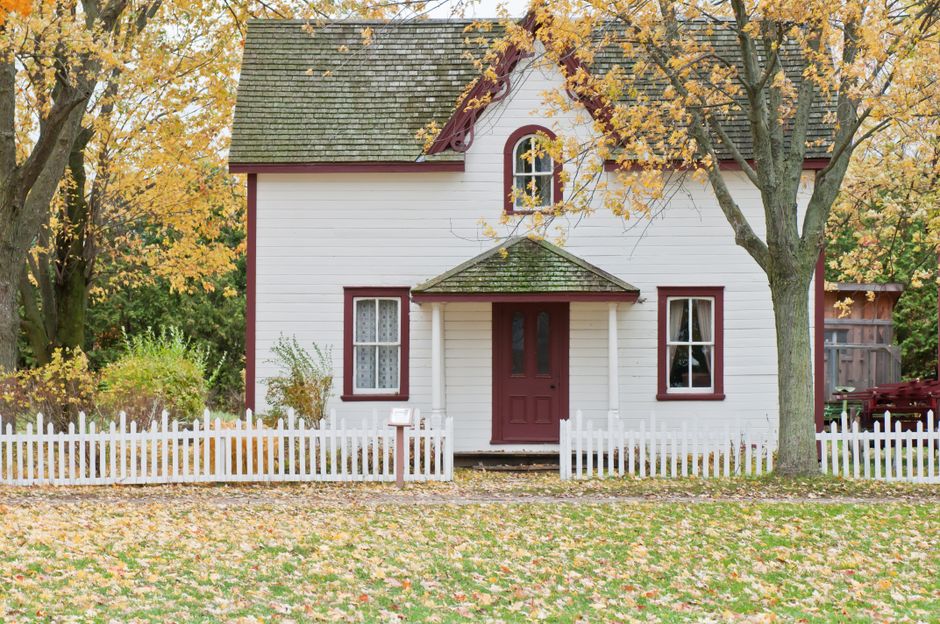
The brick-fronted Victorian terrace on Glenarm Road, E5, looked set to be the star of Thursday’s Allsop auction. But when the hammer fell in the crowded ballroom at The Montcalm Marble Arch, there was no sale. Instead, Glenarm Road was one of nearly 40% of lots—ranging from Shadwell studios to Putney maisonettes—that passed in without meeting reserve.
It’s a sharp reversal from just six months ago, when fierce post-pandemic competition in London’s auction rooms sent clearance rates above 85%. This new reluctance to sell, experts say, reflects a churn of uncertainty: interest rates have lingered at a stubborn 4.75%, mortgage products are narrower, and whispers of market “correction” have grown louder ever since the average Greater London home price slid below £520,000 in May, its first dip in nearly two years, according to the Land Registry.
Zoom into specifics, and the map of passed-in lots reveals a pattern: higher-value properties—increasingly in Zone 2 and 3—are failing to clear with some consistency. A former three-storey guesthouse on Westbourne Park Road, W2, aiming for £1.6m, drew just two half-hearted bids before negotiations moved outside the auction room. Meanwhile, at Savills’ City office, a two-bed ex-council flat on Rotherhithe Street, SE16 (guide: £420,000), failed to attract an opening offer at all.
Several agents at the Montcalm pointed to the same culprits: sellers’ expectations built on last year’s sales, and buyers nervous about overpaying amid talk of further economic shocks. The new stamp duty reform—introduced by Chancellor Reeves in April—has lifted interest at the cheaper end, but in the £1m+ bracket, sentiment has darkened. Many landlords have also withdrawn blocks of flats near Leytonstone and South Acton after failing to achieve yields above 4.5%. Buyers, for their part, want protection against falling prices and are entering more lots “subject to contract” post-auction, rather than bidding with confidence in the room.
Data bears out the jitters. Essential Information Group recorded a London-wide auction clearance rate of just 61% in June 2026, compared to 76% a year ago. Of 261 residential lots offered that month, 77 passed in—many in Zones 2-4, where last year’s Crossrail-halo effect appears to have faded. A mid-century maisonette on Hanwell’s Boston Road, boasting proximity to the Elizabeth line, fetched no competitive bids despite a modest £335,000 guide—underscoring the coolness even in growth corridors. At the luxury end, Knight Frank’s Mayfair auction saw a £5.2m Grosvenor Square penthouse withdrawn an hour before bidding, with sources blaming unresolved leasehold issues and an absence of ‘international money’ due to ongoing global turmoil.
What happens next? Those lots that passed in are already trickling onto the open market—often with downshifted price expectations or into the hands of private treaty negotiators. Would-be buyers, watching keenly, may see opportunities for discounts, especially among vendors who have committed elsewhere. But with the Bank of England hinting at a possible rate cut later this summer, and the city’s employment numbers still robust, auction-watchers expect vendors to remain picky about which properties they’re willing to accept a price cut on. For now, savvy buyers should keep an eye on passed-in lots, particularly in former hot-zones like Hackney, Balham, and Highbury, where realism is slowly returning to the price sheets.
Property
Property
Property
Property
About this article
Published by The Daily London
Spread the word
Daily brief
Free, in your inbox before 7am. Weekdays.
Before you go
The day's London news in a 2-minute read. Free, weekday mornings.