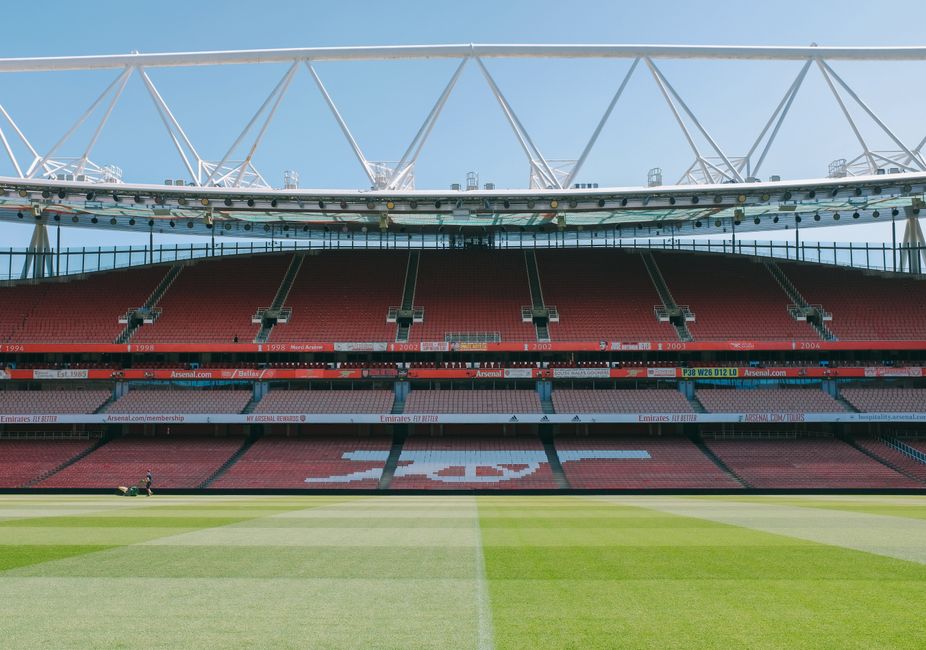
London's fitness revolution: How cutting-edge facilities are reshaping the city's training landscape
From Olympic legacies in Stratford to boutique studios in Shoreditch, the capital's gym infrastructure is driving unprecedented engagement with sport and wellness.
This article was generated by AI from the linked public sources. The Daily London is independently owned and covers London news free from advertiser or sponsor influence. Read our editorial standards →
London's fitness ecosystem has undergone a seismic shift in recent years, transforming from traditional leisure centres into a sprawling network of specialised facilities that cater to every conceivable training preference. The infrastructure supporting sport across the capital has become increasingly sophisticated, reflecting both growing health consciousness and substantial investment in recreational amenities.
The Queen Elizabeth Olympic Park in Stratford remains the cornerstone of London's sports infrastructure. The £1bn complex, which hosted the 2012 Games, now accommodates over 10 million visitors annually across its aquatics centre, velodrome and climbing wall. Yet the real transformation is happening elsewhere. Across zones two and three, micro-gyms and boutique training studios have proliferated at an extraordinary rate. Fitzrovia, once known primarily for advertising agencies, now hosts at least a dozen specialist fitness venues within walking distance of Tottenham Court Road. Southwark's riverside has seen similar development, with the Millbank leisure corridor attracting membership-driven facilities targeting professional workers.
The economics tell a compelling story. Commercial gym memberships in central London now range from £45 to £180 monthly, with premium facilities in Mayfair and Knightsbridge commanding premium rates. Yet local authority leisure centres—run by trusts and councils from Hackney to Wandsworth—continue offering subsidised access for under-16s and concession holders, maintaining the principle of democratic sport provision. The capital's 38 local authority swimming pools have undergone significant upgrades, with facilities in Islington and Newham recently completing £10m renovation programmes.
Infrastructure investment extends beyond traditional facilities. The emergence of functional training spaces in Bethnal Green and Elephant & Castle reflects changing preferences toward circuit training and community-based fitness. Meanwhile, the Thames Path's expansion has created an 40-mile corridor for runners and cyclists—a logistical achievement that underscores how spatial planning shapes sporting participation.
Borough-level data reveals uneven distribution remains a challenge. Outer London boroughs like Bromley and Croydon still lag behind central zones in facility density, though new community hubs are gradually addressing this disparity. The emergence of outdoor fitness parks—particularly in Victoria Park and Battersea—has democratised access further, offering free, weather-resistant training spaces.
As London continues competing for major sporting events and talent, the quality of its facilities infrastructure increasingly determines the city's attractiveness to athletes and fitness enthusiasts. Investment in venues isn't merely about gyms and pools; it's fundamental to the capital's ongoing reinvention as a global sporting powerhouse.
This article was compiled by AI from the sources linked above and screened before publishing. See our editorial standards.
Covering sport in London. This article was generated by AI from the linked sources and was not reviewed by a human editor before publishing. See our editorial standards.