Sport
Can London's Crumbling Sports Venues Keep Up With Youth Demand?
As grassroots participation surges, ageing facilities and rising maintenance costs threaten to leave a generation of young athletes without proper infrastructure.
2 min read
Sport
As grassroots participation surges, ageing facilities and rising maintenance costs threaten to leave a generation of young athletes without proper infrastructure.
2 min read
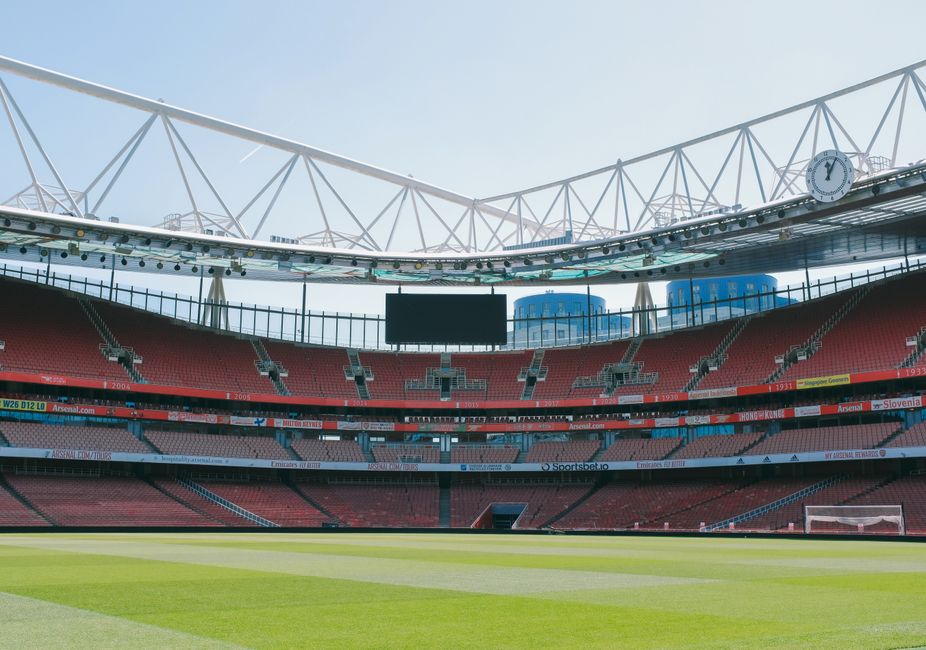
Walk past the Victorian cricket pavilion in Regent's Park on a Saturday morning and you'll find dozens of under-12s queuing for nets that haven't been resurfaced in over a decade. It's a microcosm of a problem facing London's youth sports sector: explosive demand meeting creaking, underfunded infrastructure.
The capital's grassroots sports landscape is paradoxical. Participation numbers have climbed steadily—Sport England data from 2024 showed that 68 per cent of London children aged 5-16 engage in sport weekly, above the national average. Yet the venues and facilities underpinning this engagement are struggling to keep pace.
"We've got waiting lists of 40-plus families wanting their kids in our netball programme," says one volunteer coordinator at a community hub in Hackney, where a 1970s-built sports centre now requires £2.3 million in urgent repairs. "The changing rooms flood during heavy rain. The court markings are worn. But we can't turn children away."
Across London boroughs, the picture is mixed. Well-resourced areas like Richmond and Kingston benefit from council investment and private club facilities—the David Lloyd centre on Kew Road serves hundreds of young swimmers and racquet sport players. But in parts of East London and outer zones like Bexley, council leisure centres face closure or privatisation due to budget pressures. Since 2010, the capital has lost approximately 15 per cent of its public sports facility stock.
The financial burden falls heavily on volunteers and community organisations. Leyton Orient Community Trust, operating youth football programmes from grassroots to semi-professional level, manages pitches in Walthamstow that require constant patching. Tennis courts at Paddington Recreation Ground in Maida Vale remain booked solid, yet the facility's aging infrastructure struggles under the load.
Private provision fills some gaps. Membership at independent gyms and specialist academies has doubled since 2018, though costs—often £60-120 monthly—price out lower-income families. This creates a two-tier system: affluent areas and families accessing quality facilities, while deprived wards rely on increasingly stretched public resources.
The Council for Sport and Recreation estimates London needs £500 million in facility investment over the next five years to meet demand and replace aging infrastructure. Without it, the inequality risk grows sharper. The same children whose enthusiasm for sport is being cultivated may find, within two years, that the venues supporting them have simply vanished.
This article was compiled by AI from the sources linked above and screened before publishing. See our editorial standards.
Sport
Sport
Sport
Sport
About this article
Published by The Daily London
Spread the word
Daily brief
Free, in your inbox before 7am. Weekdays.
The Daily Network — independent news worldwide