Sport
Inside London's Gym Revolution: What Participation Data Reveals About Our Fitness Culture
New membership figures show how Londoners' workout habits are shifting—and what it says about our health priorities in 2026.
2 min read
Updated 2 h ago
Sport
New membership figures show how Londoners' workout habits are shifting—and what it says about our health priorities in 2026.
2 min read
Updated 2 h ago
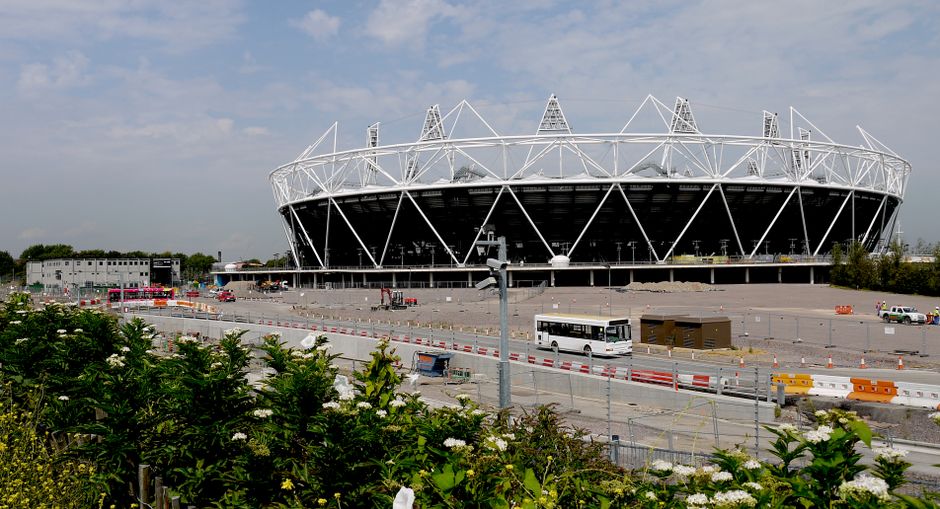
London's fitness landscape has undergone a dramatic transformation. New participation data from the UK Active organisation reveals that gym memberships across the capital have surged by 23% since 2023, with particularly striking growth in postcodes from Shoreditch to Clapham. But the numbers tell a more nuanced story than simple growth—they expose a fundamental shift in how Londoners approach exercise and wellness.
The data shows membership concentration clustering around major transport hubs. Gyms near King's Cross, Canary Wharf, and Borough have seen the most aggressive expansion, with facilities adding an average of 200 additional capacity slots per venue. Budget chains have particularly thrived, with basic memberships now starting at £15 monthly across chains operating in Elephant and Castle, Stratford, and Bethnal Green. Yet premium boutique fitness—think £25-per-class spinning studios in Fitzrovia or personal training at Mayfair facilities—has simultaneously grown by 31%.
What's genuinely revealing is the demographic breakdown. Participation among women aged 25-40 has increased by 41% since 2024, substantially outpacing male membership growth at 18%. Meanwhile, over-55s represent the fastest-growing segment proportionally, up 52%—a pattern that challenges assumptions about age and exercise commitment. Early morning sessions (5-7am) and lunchtime slots now command premium pricing across South London facilities, suggesting London's workforce is prioritising fitness despite time pressures.
The class-based fitness phenomenon shows no signs of slowing. Group training—from HIIT to yoga to dance cardio—accounts for 34% of total gym visits, according to facility usage data. This points to something deeper than mere exercise: Londoners are seeking community. That's particularly evident in Wandsworth and Kingston, where cooperative and council-funded gyms report 89% retention rates, substantially higher than commercial alternatives.
Perhaps most telling is the geographic inequality the data exposes. Outer London boroughs like Havering and Barking show participation rates 18 percentage points below central zones. The fitness infrastructure gap remains stubbornly persistent, even as overall London participation reaches an all-time high.
The participation explosion also reflects how London's relationship with fitness has become entangled with broader wellness culture—nutrition tracking, mental health benefits, social connection. It's not simply about building muscle anymore. For a sprawling, often-stressed metropolitan population, the gym has become something closer to sanctuary.
This article was compiled by AI from the sources linked above and screened before publishing. See our editorial standards.

Sport

Sport

Sport
Sport
About this article
Published by The Daily London
Spread the word
Daily brief
Free, in your inbox before 7am. Weekdays.
The Daily Network — independent news worldwide