Sport
London's sporting infrastructure faces £2bn upgrade challenge as ageing venues struggle to compete globally
From Wembley to the Oval, the capital's flagship stadiums require urgent investment to maintain their world-class status.
3 min read
Sport
From Wembley to the Oval, the capital's flagship stadiums require urgent investment to maintain their world-class status.
3 min read
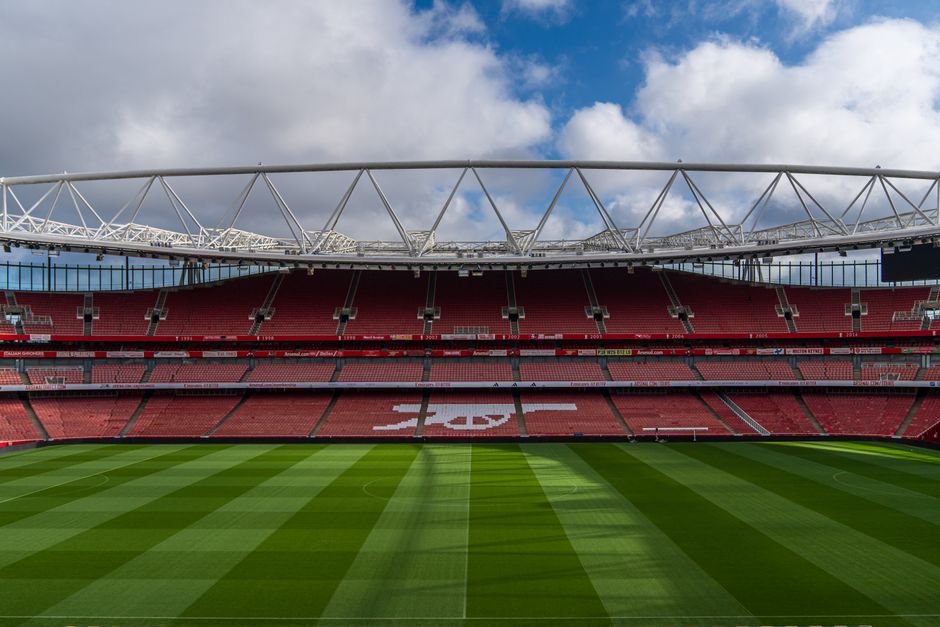
London's sporting landscape is at a crossroads. While the capital remains one of the world's premier destinations for major events, the infrastructure supporting professional and grassroots sport faces mounting pressure from ageing facilities and rising maintenance costs.
Wembley Stadium in Brent stands as perhaps the most visible example. The £1.3bn venue, which opened in 2019, remains state-of-the-art. Yet older facilities across the capital tell a different story. The Oval in Kennington, home to Surrey County Cricket Club since 1845, continues significant ground upgrades to maintain international standards, with recent pavilion work costing millions. Similarly, Twickenham Stadium in Richmond upon Thames, sacred to English rugby, has invested substantially in modernising facilities while preserving its heritage.
The challenge extends beyond flagship venues. London's secondary stadiums—including Craven Cottage in Fulham, Stamford Bridge in Chelsea, and the Tottenham Hotspur Stadium in North London—operate in an increasingly competitive market where infrastructure quality directly impacts player recruitment and fan experience. Across these venues, average ticket prices have risen 15-20% over five years, partly reflecting necessary capital expenditure.
Beyond professional sport, grassroots facilities reveal deeper concerns. The Sport England Active Lives survey indicates that 37% of Londoners meet recommended physical activity levels, yet access to quality local facilities remains patchy. Community leisure centres across boroughs including Hackney, Southwark, and Tower Hamlets have faced funding cuts, with some closing entirely since 2015. The capital's 300+ parks provide essential recreational space, but many sporting facilities within them require investment.
The London Legacy Development Corporation's ongoing work at Queen Elizabeth Olympic Park in Stratford demonstrates how regenerated venues can sustain long-term benefit. The facilities there now serve multiple sports, from athletics to water sports, hosting both elite competition and community programmes. Yet replicating this model citywide requires estimated investment of £2bn across the next decade.
City planners and sporting bodies face difficult choices. New stadium development faces planning constraints and land scarcity across central London, while retrofitting existing venues grows increasingly expensive. The proposed redevelopment of Chelsea's Stamford Bridge and Tottenham's ongoing evolution suggest some clubs recognise modernisation as non-negotiable. However, smaller venues and community facilities lack comparable resources.
As London prepares for potential future major event hosting—from the Commonwealth Games to expanded European championships—the question becomes clear: can the capital's ageing sporting infrastructure evolve quickly enough to meet 21st-century standards and expectations?
This article was compiled by AI from the sources linked above and screened before publishing. See our editorial standards.
Sport
Sport
Sport
Sport
About this article
Published by The Daily London
Spread the word
Daily brief
Free, in your inbox before 7am. Weekdays.
The Daily Network — independent news worldwide