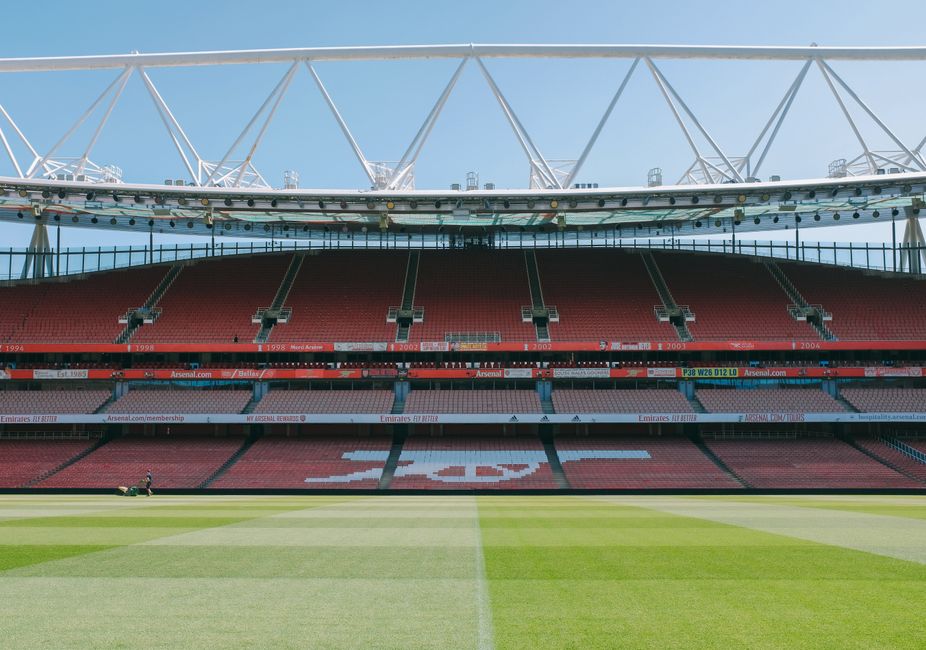
Walk past Hackney Marshes on any Saturday morning and you'll witness the lifeblood of London football: hundreds of amateur players competing on threadbare pitches that have served the community for over a century. Yet behind this enduring tradition lies an uncomfortable truth—the gap between world-class professional infrastructure and local grassroots facilities has never been wider.
While Arsenal's proposed £250 million overhaul of their training ground in Colney, Hertfordshire, dominates headlines, facilities serving everyday players across the capital tell a different story. A 2024 survey by the London Sport Trust found that 67% of community clubs in outer London boroughs report inadequate or ageing infrastructure, with pitch maintenance budgets squeezed to breaking point.
Croydon's Coulsdon Common, which hosts over 40 amateur teams annually, exemplifies the challenge. The ground's single clubhouse, built in 1987, requires £200,000 in urgent repairs—funds the local authority struggles to allocate. Meanwhile, Waltham Forest Council has invested heavily in upgrading facilities around Leyton, recognising that accessible infrastructure drives participation among younger demographics across diverse communities.
The contrast is stark when examining indoor facilities. While Chelsea's Cobham training complex boasts cutting-edge recovery technology, many local leisure centres—including those in Newham and Barking—operate at reduced capacity due to post-pandemic funding constraints. Borough-level five-a-side venues, which generated substantial youth engagement pre-2020, have seen rental fees increase 40% across North London since 2023.
Islington Council's investment in the redeveloped Arsenal community pitches near Gillespie Park represents a rare bright spot, demonstrating that targeted municipal spending can enhance provision without Premier League backing. The facility now serves 25 local clubs and has expanded women's football access by 35% in two years.
London's football ecosystem relies on thousands of volunteers maintaining grounds from Wimbledon Common to Hackney Marshes, yet infrastructure investment remains fragmented. Larger boroughs like Wandsworth benefit from superior drainage systems and floodlit pitches, while smaller councils compete for limited Sport England grants.
As the 2026 World Cup approaches and global attention focuses on England's tournament readiness, the question becomes unavoidable: who bears responsibility for maintaining the grassroots infrastructure that develops tomorrow's talent? Premier League investment continues skyward, but across London's neighbourhoods, the pitch beneath amateur players' feet tells a story of neglect—one that threatens the capital's long-term competitive advantage in football development.
This article was compiled by AI from the sources linked above and screened before publishing. See our editorial standards.