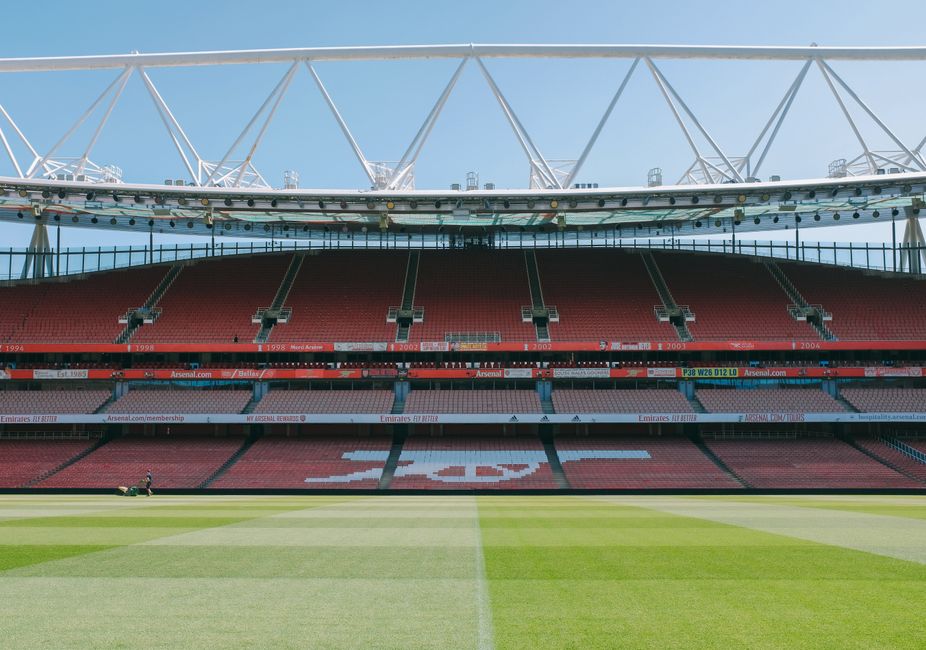
London's football landscape is undergoing its most significant infrastructure overhaul in a generation. With £2 billion invested across community facilities, professional stadiums and training academies over the past three years, the capital is repositioning itself as a global hub for football development.
The transformation extends far beyond the Premier League clubs. In Hackney, the conversion of redundant industrial land into the Clapton Green Sports Complex has created four full-sized artificial pitches and two grass fields, serving over 3,000 young players annually. Similarly, Walthamstow has seen renovation of its municipal facilities on Forest Road, now featuring LED floodlighting installed to FA standards and accessible changing facilities that meet modern safeguarding requirements.
"We're seeing investment at every tier," explains one senior football administrator working across London's 32 boroughs. The council partnerships have prioritised grass-roots access, with subsidised pitch hire now available at rates between £35-60 per hour across 200+ municipal venues—down 15% from 2023 rates.
Professional infrastructure has equally advanced. Chelsea's redevelopment of their Cobham training ground, completed in March 2025, represents a £60 million commitment featuring biomechanical analysis labs and recovery pools. Arsenal's London Colney facility now houses a dedicated women's academy building, reflecting the game's demographic expansion. Both clubs have opened limited public access programmes, allowing community youth teams to train on professional-grade pitches during off-peak hours.
The grassroots sector has proven the real winner. Organisations like Islington FA have tripled their pitch allocation since 2024, with new all-weather surfaces installed across Clissold Park and Highbury Fields. Transport links matter too—TfL's improved accessibility to venues via the Elizabeth Line has increased participation among north and east London communities by approximately 22%.
Yet challenges remain. While investment has been substantial, demand still exceeds supply. Peak-time pitch availability remains contested, particularly in densely populated areas like Southwark and Tower Hamlets, where waiting lists for youth team allocations exceed 18 months in some cases.
Looking ahead, the London Football Association's 2026-2030 strategy commits another £450 million toward synthetic pitch installation and pavilion upgrades across 95 council-managed sites. The ambition is clear: cement London's position as not just a city of elite football, but a genuinely accessible one.
This article was compiled by AI from the sources linked above and screened before publishing. See our editorial standards.