Summer in London has always meant one thing for endurance athletes: the final push. With major championships looming across running, cycling and triathlon, the capital's training grounds—from Richmond Park's undulating loops to the Regent's Canal's flat cycling routes—are buzzing with purposeful activity.
The Great North Run, held in September but requiring July and August preparation, remains the UK's second-largest half-marathon by participant numbers. Yet London's own summer calendar is equally demanding. The Triathlon England Summer Series, culminating in August selections for national teams, has already drawn hundreds of competitors to Dorney Lake in Windsor and Serpentine Lido events. Entry fees typically range from £45 for sprint distances to £80 for Olympic-distance races, with professional athletes treating these as final calibration events before international fixtures.
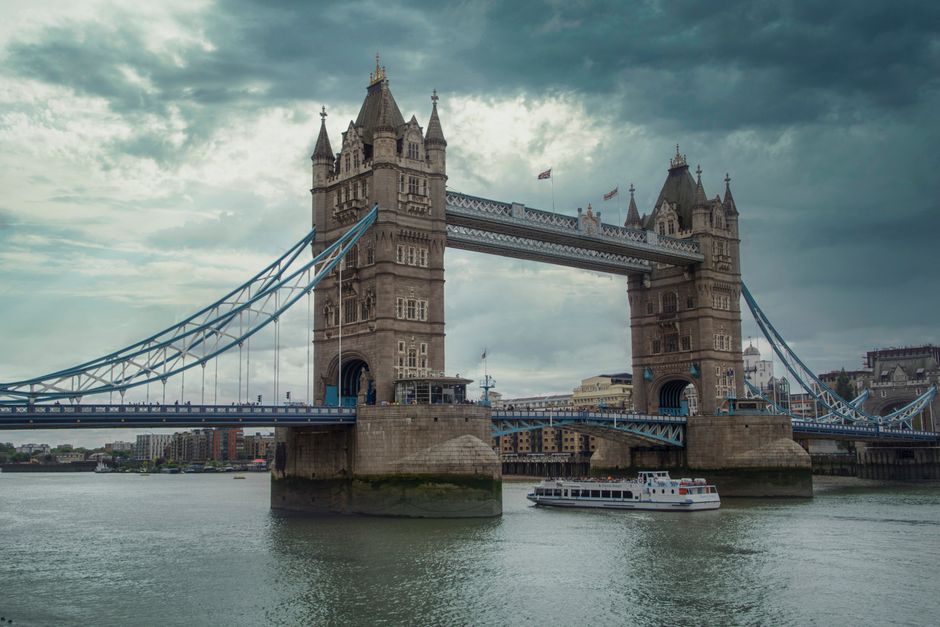
On the cycling front, the Prudential RideLondon-Surrey 100, scheduled for August, continues to attract thousands of amateur riders. The closed-road circuit through south London and into Surrey villages represents both a challenge and a community milestone. Local cycling clubs based across boroughs like Wandsworth and Kingston report increased evening turnout as members build fitness on regular Wednesday-night social rides—a London tradition that spans from Clapham Common to Tower Bridge approaches.
Running clubs across the capital are equally active. Parkrun's free Saturday events, which operate at over 20 London locations including Battersea Park and Bushy Park, serve as barometers of competitive form. But serious distance runners target the Serpentine 10K series in Hyde Park, where sub-32-minute performances by age-group runners have become increasingly common.
British endurance sports have experienced measurable growth. UK Sport figures show participation in triathlon rose 12% between 2022 and 2025, while cycling participation remains elevated post-pandemic. London, hosting roughly 40% of England's competitive triathlon clubs, remains the epicentre.
The window from now through September represents crunch time. Athletes training for autumn marathons are hitting peak mileage. Triathletes targeting European championships in late summer are fine-tuning transitions and pace discipline. Cyclists preparing for overseas stage races are grinding out interval sessions on the Hillingdon circuit and Kingston's relatively traffic-free roads.
For weekend warriors and elite competitors alike, London's diverse endurance landscape—combining urban accessibility with proximity to challenging terrain—makes the coming weeks genuinely significant. These finals aren't just about personal bests; they're about selection, qualification and, ultimately, whether months of early morning sessions pay dividends when it matters most.
This article was compiled by AI from the sources linked above and screened before publishing. See our editorial standards.