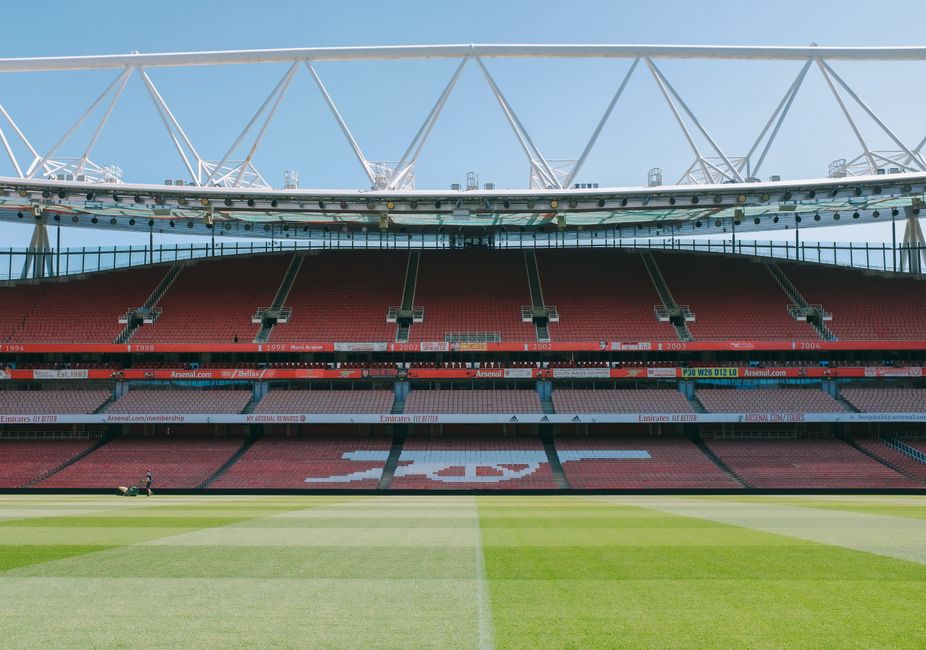
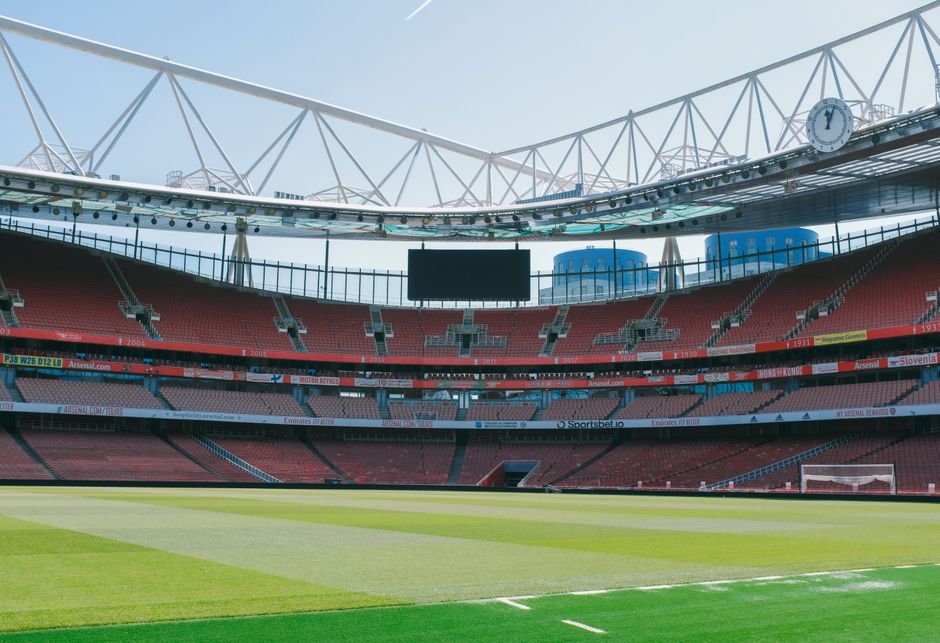
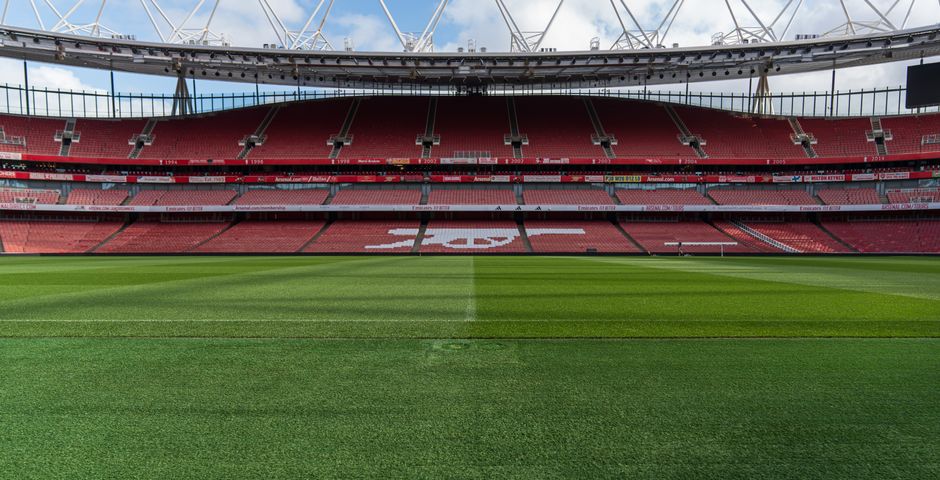
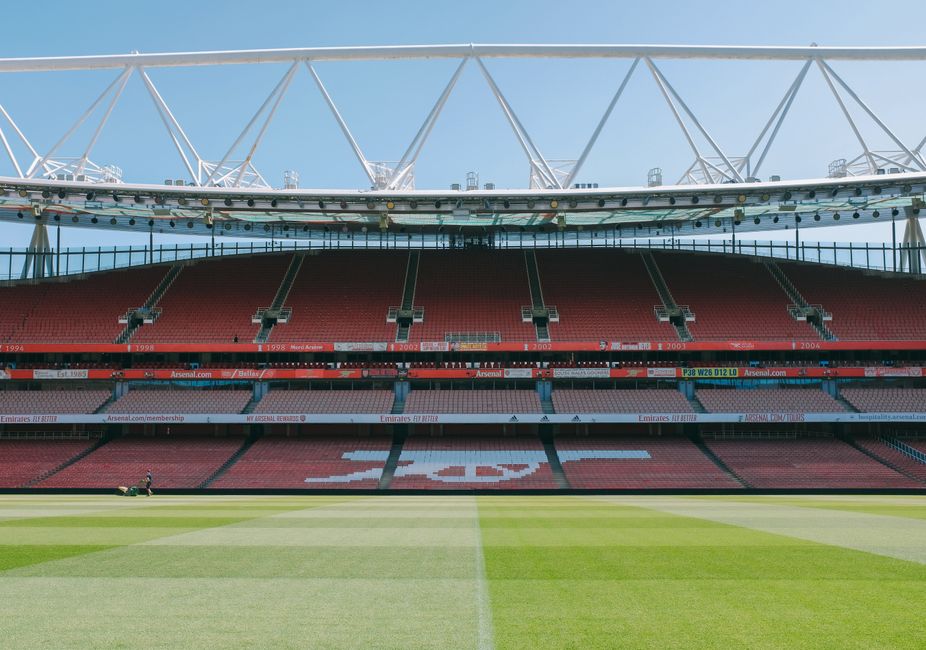
Walk past Hackney Marshes on any weekend morning and you'll witness London's amateur sport renaissance in full swing. Yet behind the energy of Sunday league football pitches, badminton courts in Islington, and rowing clubs along the Lea Valley lies a quieter crisis: the infrastructure supporting recreational sport is buckling under demand.
The numbers tell a compelling story. Amateur Football Alliance membership has grown by nearly 18% across Greater London since 2022, with over 1,200 clubs now competing in the capital's various divisions. Tennis clubs from Battersea Park to Wimbledon Common report waiting lists extending into years. Even niche sports—from ultimate frisbee in Clapham Common to dragon boat racing on the Thames—are thriving. Yet the venues hosting these leagues are ageing, underfunded, and increasingly expensive to maintain.
Take Lammas Park in Ealing, a 40-acre facility that serves as home to cricket, rugby, and athletics clubs. The changing facilities there, installed in the 1980s, require constant repairs. Similarly, the leisure centres dotting postcodes like SE1 and E1 face budget pressures from local authorities struggling to balance competing demands. Southwark Council's leisure provision budget has contracted by roughly 12% in real terms over the past five years, forcing some facilities to reduce opening hours or increase membership fees—now averaging £45-60 monthly at most council-run gyms.
Private clubs offer an alternative, though an expensive one. South London's thriving squash community relies heavily on premium venues where court hire costs £30-40 per hour. Meanwhile, outdoor infrastructure—the public tennis courts and basketball hoops that democratic sport depends upon—remains unevenly distributed. Affluent areas like Chelsea and Kensington maintain well-appointed facilities, while parts of outer London face genuine scarcity.
Solutions exist but require coordination. Sport England has allocated £5.2 million to London councils for facility upgrades, though applications often exceed available funds tenfold. Some clubs, like those based at the Paddington Recreation Ground, have embraced community fundraising and partnership models with universities and corporate sponsors to maintain their venues. Others have pioneered shared arrangements—cricket clubs using football pitches in winter, for instance.
London's amateur sport infrastructure isn't broken, but it's stretched thin. The city's recreational leagues thrive because of genuine passion and volunteer commitment, not because facilities are adequate. As participation climbs, the question becomes urgent: can the capital's patchwork of ageing centres, public grounds, and private clubs sustain this growth, or will infrastructure become the limiting factor in grassroots sport?
This article was compiled by AI from the sources linked above and screened before publishing. See our editorial standards.