London's world-class sports infrastructure—envied globally just over a decade ago—is now creaking under pressure. As participation in everything from netball to swimming reaches record levels across the capital, facility managers are warning that the gap between demand and available courts, tracks and pools threatens to reverse years of growth in local sport.
The strain is most visible in south London, where Clapham and Balham's three leisure centres have seen usage spike by 37% since 2022, according to figures from Wandsworth Council. Peak-time swimming slots at Tooting Leisure Centre now regularly sell out within hours, while badminton courts at Battersea Park Sports Centre command a waiting list stretching into autumn. A monthly membership at these venues now costs £48—up 22% from 2019.
Meanwhile, East London's post-Olympic facilities tell a more complicated story. The Copper Box Arena in Hackney Wick continues to serve the community, hosting everything from boxing to volleyball, yet maintenance costs have prompted discussions about capacity reductions. Queen Elizabeth Olympic Park remains a flagship venue, but grassroots clubs across Newham and Tower Hamlets report that booking slots for training has become increasingly difficult and expensive.
The picture improves marginally in Westminster, where central locations like Jubilee Hall in Covent Garden maintain relatively stable access, though membership fees start at £78 monthly—considerably higher than outer-London alternatives. Private operators now control roughly 40% of London's dedicated sports facilities, a shift that has created a two-tier system benefiting affluent neighbourhoods while leaving communities in Barking and Dagenham under-resourced.
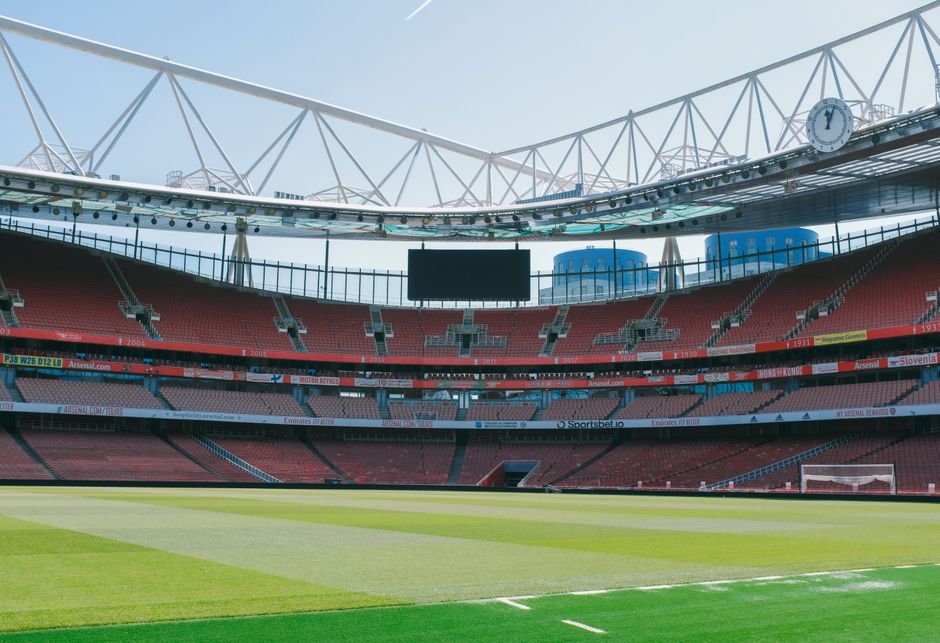
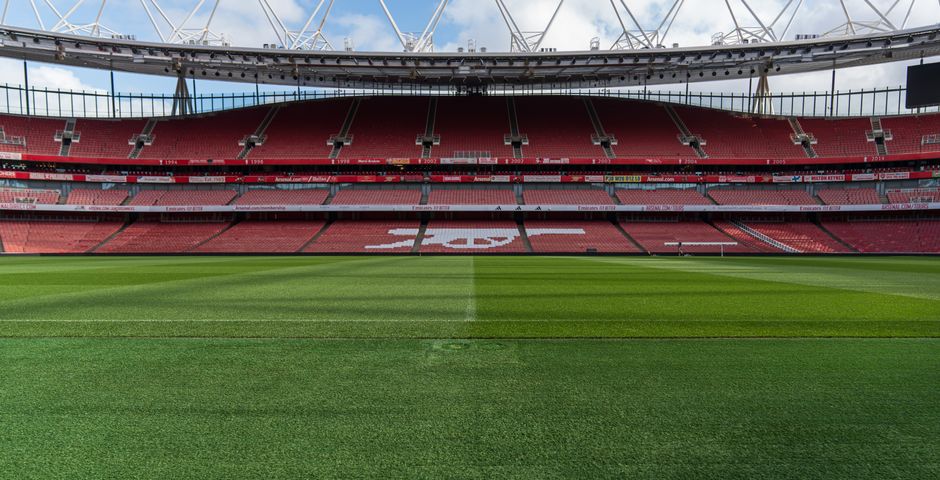
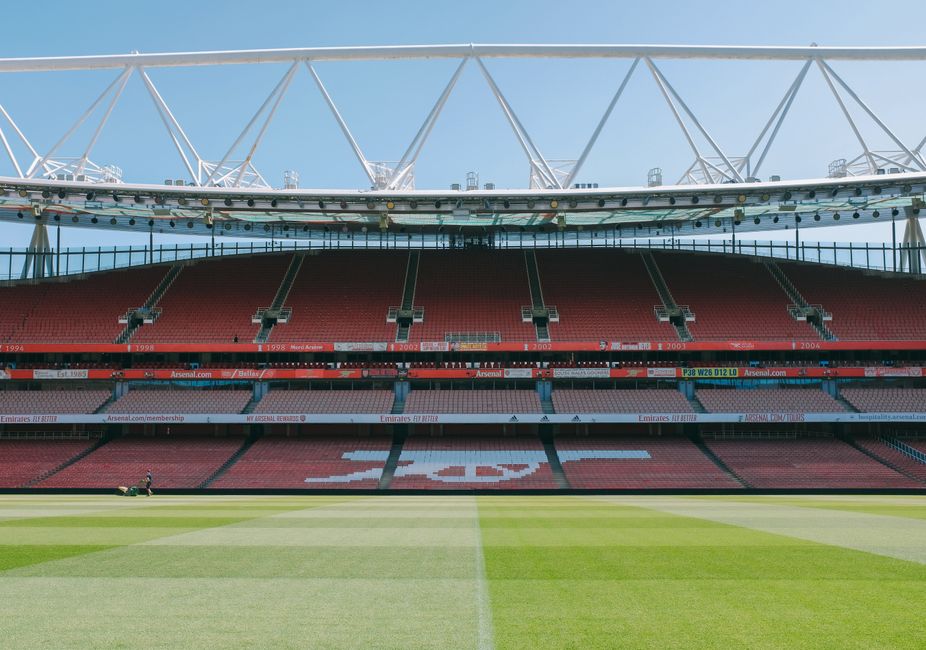
Borough councils are attempting remedies. Islington Council has invested £4.2m in renovating Arsenal community pitches on Gillespie Road, while Hackney has launched an initiative to resurface eight outdoor courts across the borough. But these efforts struggle against inflation and the competing demands on council budgets following years of austerity.
For local clubs—from the Serpentine Swimming Club to countless Sunday league football sides—the reality is one of trade-offs: longer booking queues, higher costs, and pressure to secure membership early in the calendar year. Sports England data suggests that without significant new investment in facility infrastructure, participation growth could plateau within two years, reversing one of London's genuine public health achievements of the past decade.
This article was compiled by AI from the sources linked above and screened before publishing. See our editorial standards.