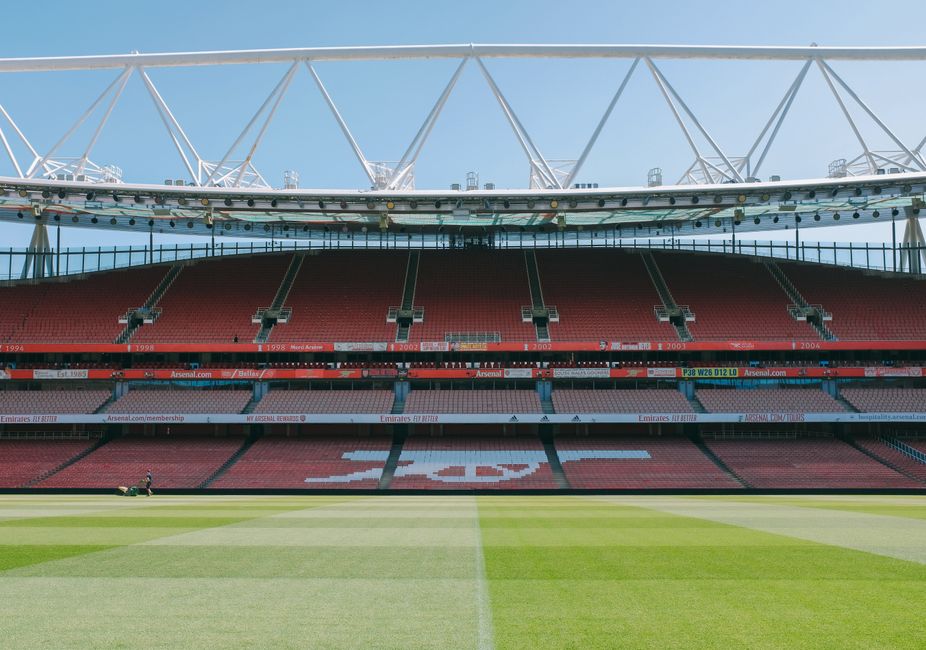
The astonishing World Cup journey of Cape Verde has transformed the sporting conversation in London in ways few could have predicted. What began as an improbable qualification has morphed into a cultural phenomenon, with match days now drawing unprecedented crowds to sports bars, community centres and even the capital's premier venues.
The Tottenham Hotspur Stadium in North London and the London Stadium in Stratford have both reported record-breaking attendance figures for Cape Verde's matches, with ticket demand far exceeding typical international fixture numbers. Word from venue management suggests that upwards of 15,000 supporters have gathered across major screens and hospitality suites, many travelling from across East London and beyond to witness history being made.
What's particularly striking is how this has energised neighbourhoods that have historically maintained quieter relationships with global football. Peckham, Brixton and Elephant and Castle—areas with significant Cape Verdean communities—have seen sports establishments adapt their scheduling and capacity to accommodate the surge. One Walworth Road establishment reported turning away over 200 people during their last fixture, prompting emergency discussions about outdoor screening areas.
The economic impact shouldn't be understated. Match-day spending across London's hospitality sector has spiked noticeably, with food and beverage venues reporting 40-50% increases in takings during Cape Verde fixtures. Several West End establishments have begun offering Portuguese-language menus to cater to the influx of supporters.
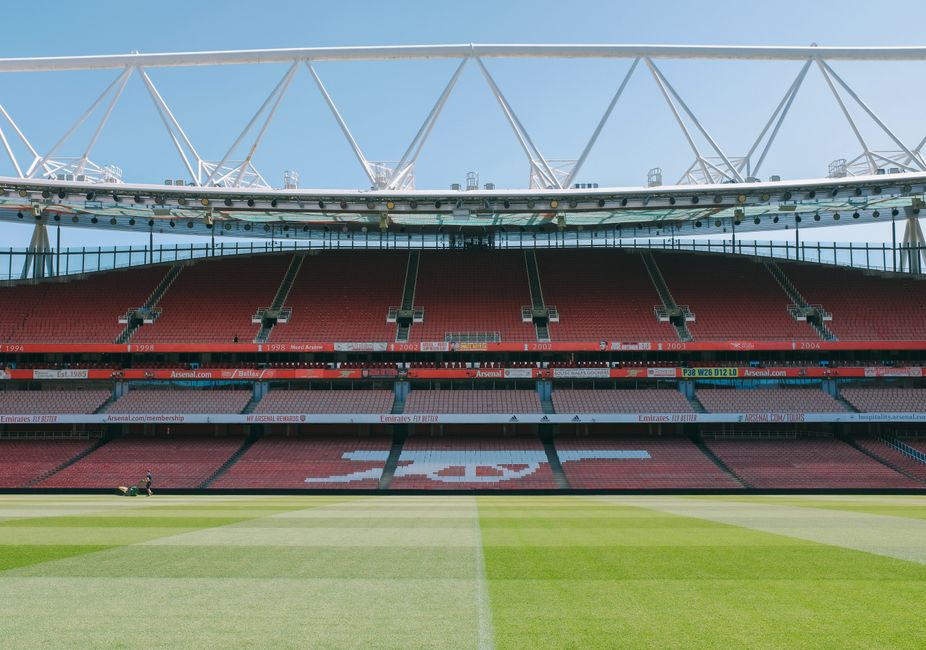
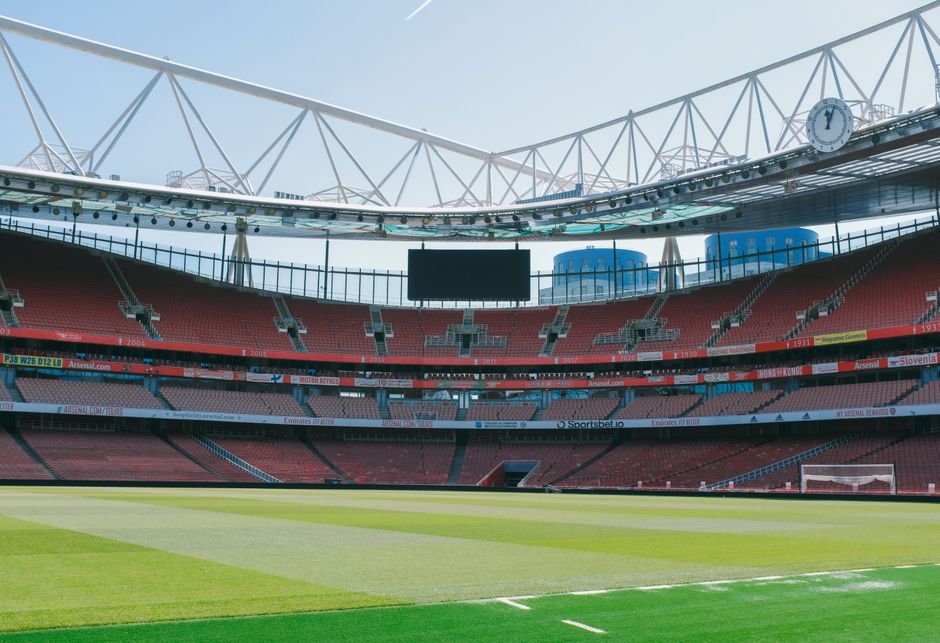
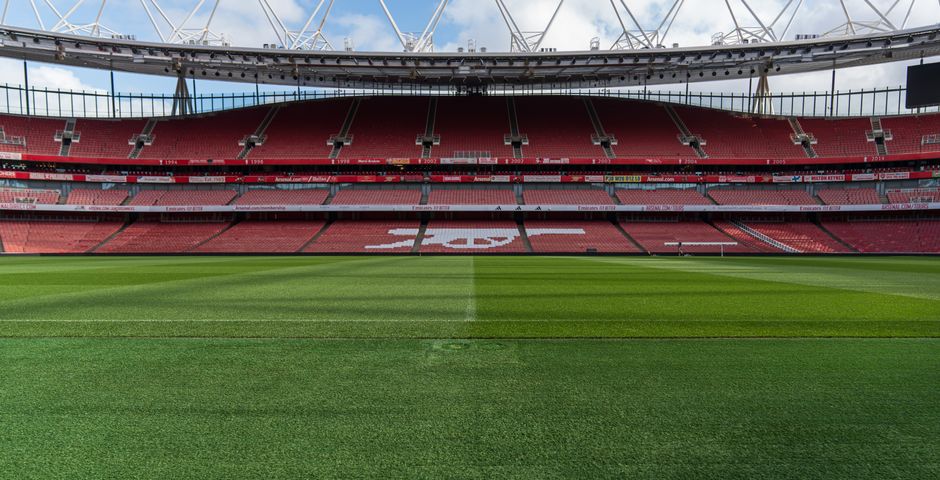
Stadium operators have been particularly keen to harness this momentum. Both the Emirates Stadium in Islington and Craven Cottage have fielded enquiries about potential exhibition matches or training facilities. The capital's event venues see an opportunity to cement themselves as destinations for diaspora-connected sporting moments, a market segment that has demonstrably proven its commercial value.
Beyond the immediate financial gains, what this moment represents is something deeper: a validation of communities often overlooked in mainstream sporting discourse. The diaspora celebrations documented across social media have redrawn the map of who London's sports fans are and what they care about.
As Cape Verde's tournament progresses, London's venues face a delicious dilemma. Standard capacity may soon prove insufficient. Already, whispers suggest conversations about moving premium matches to larger venues, or scheduling outdoor fan zones across spaces like Potters Fields or Queen Elizabeth Olympic Park. The question isn't whether London's stadiums can accommodate this surge—it's whether they're prepared for what comes next.
This article was compiled by AI from the sources linked above and screened before publishing. See our editorial standards.