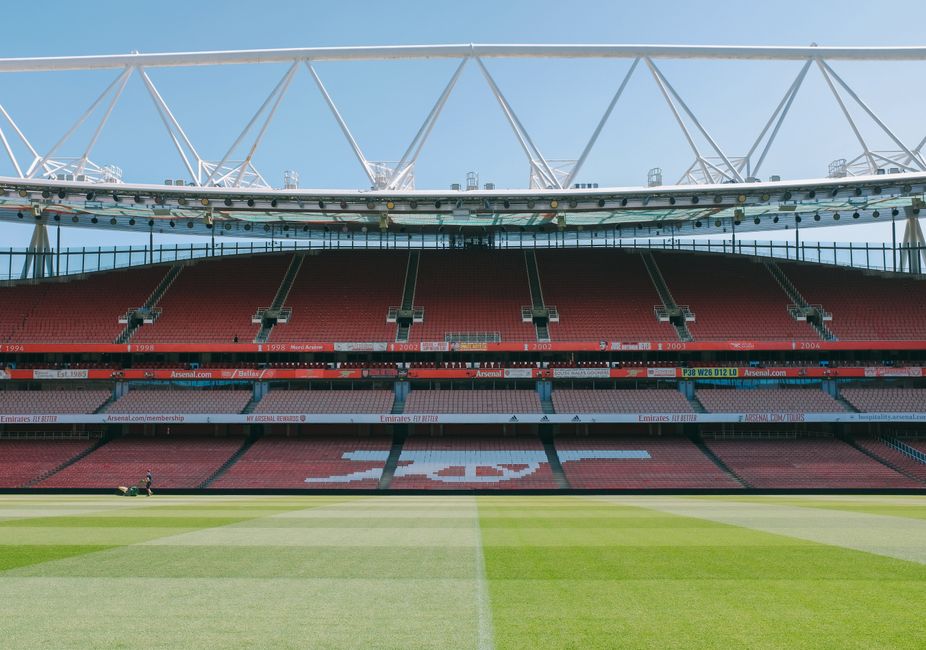
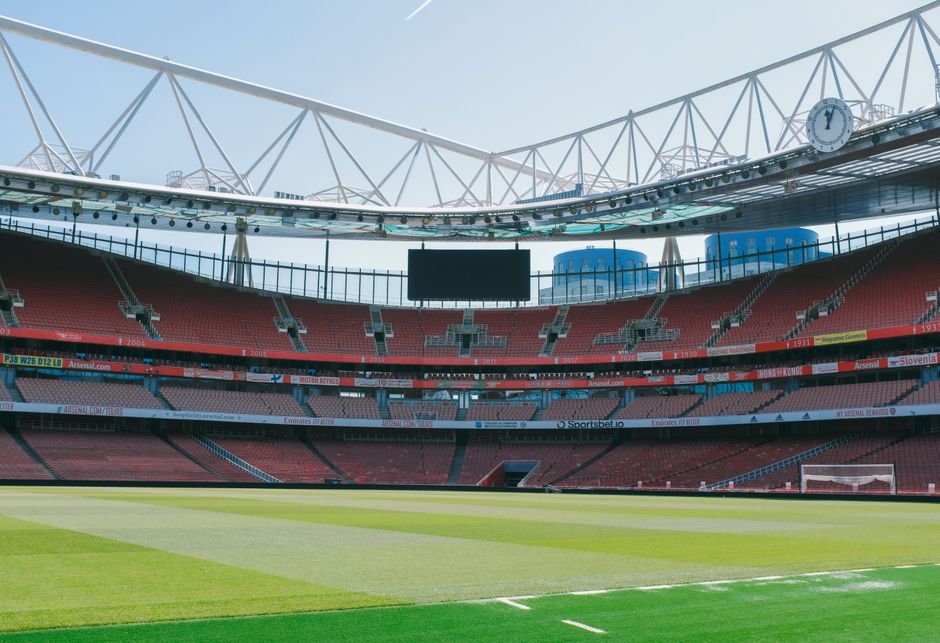
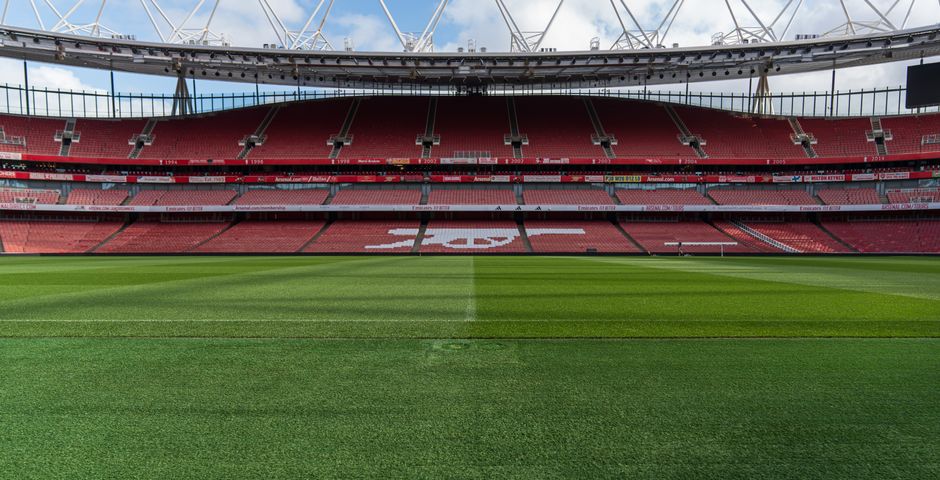
While Wembley and the Tottenham Hotspur Stadium command global attention, a quieter revolution is unfolding across London's postcodes. From Hackney Marshes to Clapham Common, local sports clubs are experiencing unprecedented growth, transforming their venues into genuine community hubs that extend far beyond match days.
Clapton Football Club, based in Walthamstow, has become a case study in grassroots resurgence. Their non-league ground hosts not just football but social enterprises that have engaged over 2,000 young people annually. The club's community programmes—spanning youth development, women's football, and mental health initiatives—have created a model that larger institutions struggle to replicate. Ticket prices remain deliberately affordable, typically £5-£8, ensuring accessibility remains central to their mission.
Similar success stories pepper the capital. Brixton's community sports centre on Mayall Road has expanded its facilities to accommodate eight sports clubs simultaneously, serving an estimated 3,500 members weekly. The venue's strategic location in South London's densely populated areas has made it indispensable for residents who might otherwise lack access to quality sporting infrastructure.
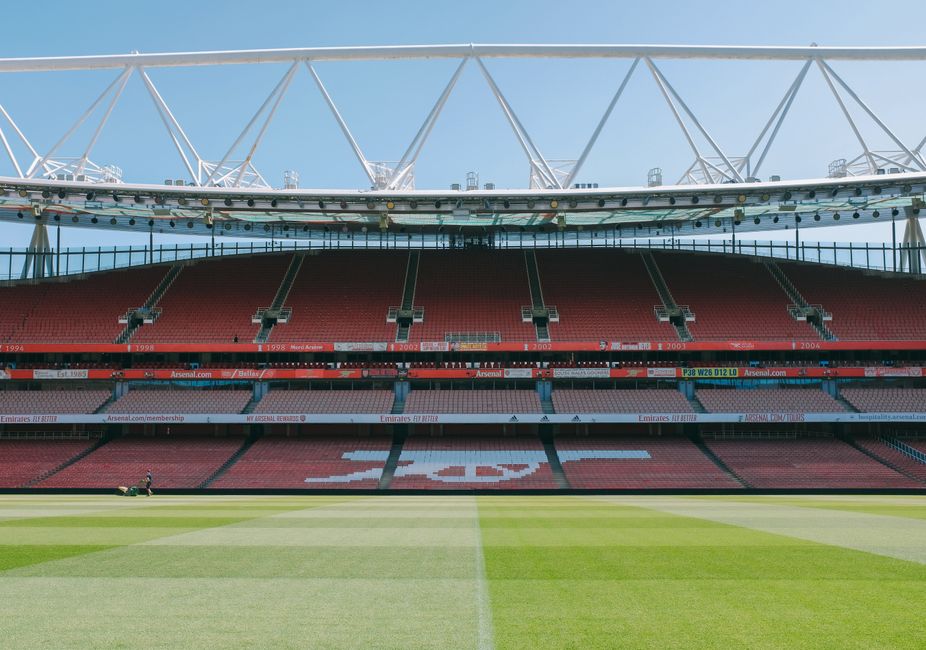
Islington's Arsenal Community Sports Centre represents another evolution. Beyond the Emirates Stadium's corporate grandeur, their neighbourhood initiatives have created 450 volunteer positions and delivered free coaching to over 1,200 young people annually. Investment in local venues has proven economically sound—community-driven venues generate sustained engagement that translates into long-term loyalty and financial stability.
The data supports this momentum. According to Sport England's latest participation survey, London's community sports clubs saw membership growth of 12% between 2024 and 2026—double the national average. Investment has followed. Local councils have allocated nearly £15 million to renovations across 23 neighbourhood venues in the past two years.
What drives this success? Accessibility. Community venues eliminate barriers that major stadiums inadvertently create. They're embedded within neighbourhoods—whether that's Greenwich, Croydon, or Waltham Forest—making sports part of daily life rather than occasional spectacle. Affordability matters equally. When youth football coaching costs £3 per session rather than £25, participation expands dramatically.
For London's social fabric, this grassroots surge carries particular significance. As the capital navigates post-pandemic challenges, these venues have emerged as genuine anchors—places where isolation diminishes, where young people find purpose, where communities strengthen. They're not competing with Wembley's glamour; they're building something arguably more valuable: sustained, inclusive engagement that transforms how Londoners experience sport and community.
This article was compiled by AI from the sources linked above and screened before publishing. See our editorial standards.